Now Reading: Ebola Outbreak in DR Congo Exposes Deep Global Health Funding Gaps as Death Toll Tops 170
-
01
Ebola Outbreak in DR Congo Exposes Deep Global Health Funding Gaps as Death Toll Tops 170
Ebola Outbreak in DR Congo Exposes Deep Global Health Funding Gaps as Death Toll Tops 170

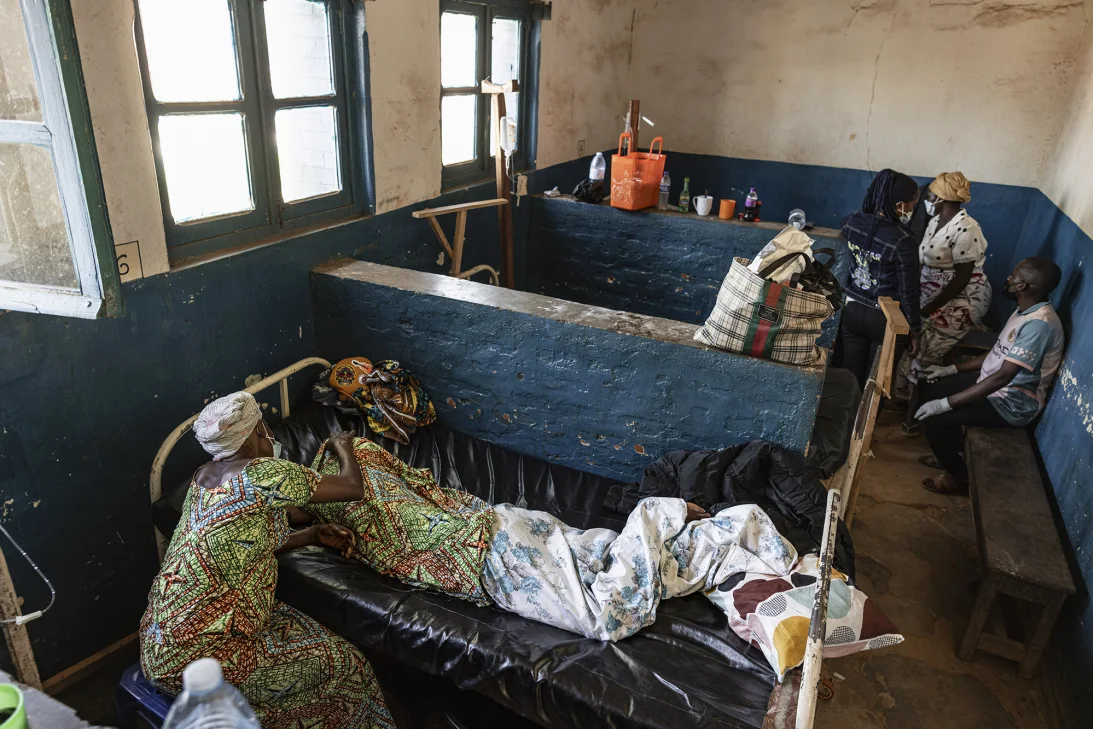
A fast-spreading Ebola outbreak in the northeast of the Democratic Republic of Congo (DRC) has triggered renewed global concern, with health experts warning that weakened international funding systems may be slowing the response and worsening the crisis.
The World Health Organization (World Health Organization) says more than 170 deaths are suspected to be linked to the outbreak, with nearly 750 suspected cases already recorded. Officials also warn that the true scale of infections is likely far higher than current figures suggest.
Health responders say the outbreak may have been circulating for months before detection, partly due to the remote location, weak health infrastructure, and ongoing ethnic conflict in the region, which has disrupted surveillance and testing efforts.
The virus strain involved is also more difficult to contain, with no specific vaccine or treatment currently available, increasing the urgency of global response efforts.
However, attention is now shifting to funding and structural weaknesses in global health systems, with aid workers and researchers linking delayed response times to reduced international support, including cuts from major donor programs.
Humanitarian organizations operating in the region say staffing shortages and reduced medical supplies have significantly weakened early detection systems, allowing the virus to spread further before intervention.
The International Rescue Committee (International Rescue Committee) said funding cuts contributed directly to delays in identifying the outbreak, warning that surveillance systems in eastern DRC have been severely weakened.
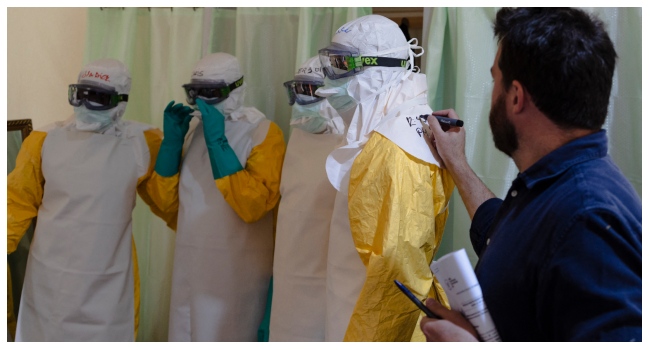
Aid officials also say frontline health centres are struggling with shortages of protective equipment such as gloves, masks, and medical gowns, forcing responders to focus on emergency airlifts of basic supplies rather than long-term containment.
The outbreak has also reignited political debate over global health financing, with critics pointing to cuts in U.S. foreign assistance and reduced support for agencies like the WHO as factors affecting outbreak readiness.
A senior U.S. State Department official, however, rejected claims that funding changes contributed to the delayed response, insisting that emergency systems were activated once the outbreak was identified and that response programs remained operational.
The Centers for Disease Control and Prevention (Centers for Disease Control and Prevention) says it has deployed staff to support response operations in both DRC and Uganda, alongside international partners and local health authorities.
Officials say the first suspected death linked to the outbreak occurred in Ituri Province on April 20, but the outbreak was only officially declared on May 15 after laboratory confirmation challenges delayed identification of the rare virus strain.
Transporting samples for testing over long distances to Kinshasa also contributed to the slow confirmation process, according to humanitarian workers on the ground.
Despite ongoing emergency efforts, health experts warn that the outbreak could worsen if health systems remain overstretched, especially in conflict-affected areas where access remains limited.
International agencies are now urging sustained funding, improved surveillance systems, and faster diagnostic capacity to prevent further escalation of the epidemic across the region.