Now Reading: US Indicts Raúl Castro Over 1996 Plane Downing as Cuba Faces Rising Tensions and Economic Pressure
-
01
US Indicts Raúl Castro Over 1996 Plane Downing as Cuba Faces Rising Tensions and Economic Pressure
US Indicts Raúl Castro Over 1996 Plane Downing as Cuba Faces Rising Tensions and Economic Pressure

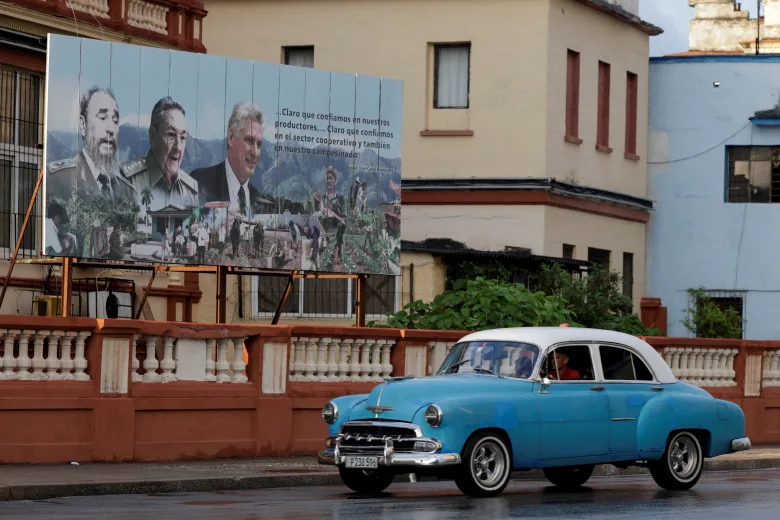
A major diplomatic storm is brewing between Washington and Havana after the United States filed federal charges against former Cuban leader Raúl Castro over the 1996 shooting down of civilian aircraft, a move that could further strain already fragile relations between both countries.
The indictment has reignited long-standing anger within the Cuban exile community in Miami, where families of victims and anti-government activists have spent decades demanding justice for the attack that killed four Cuban-Americans aboard volunteer aircraft operated by Brothers to the Rescue.
The case centres on the downing of two civilian planes in 1996, an incident widely condemned internationally and still deeply polarising more than 30 years later.
For many Cuban exiles, the charges represent long-overdue accountability for what they describe as an unpunished crime. Others, however, fear the move could close the door on any remaining diplomatic engagement with Havana.
Some analysts warn that the indictment could further escalate tensions rather than resolve them, potentially cutting off already limited communication channels between Washington and the Cuban government.
Former US diplomat Ricardo Zúñiga cautioned that increasing pressure without dialogue could backfire, warning that breakdowns in communication may heighten the risk of conflict rather than resolution.
He noted that previous efforts to normalise relations during the Obama era relied heavily on behind-the-scenes diplomacy involving Cuban officials and intermediaries.
Inside Cuba, reactions remain divided. Supporters of the government argue that Raúl Castro remains a symbolic figure of the revolution and is unlikely to face extradition or trial abroad.
Others within the Cuban-American political community insist that the era of the Castro leadership is nearing its end and that stronger international pressure is necessary to accelerate political change.
The controversy comes at a time of worsening economic conditions on the island, with Cuba grappling with shortages of food, fuel, and electricity amid tightening sanctions and trade restrictions.
The US administration has also maintained economic pressure measures, including oil-related restrictions and sanctions targeting foreign companies dealing with Havana.
These measures have deepened Cuba’s humanitarian strain, contributing to blackouts, supply shortages, and rising public frustration.
At the same time, reports indicate increasing internal unrest, with scattered protests emerging amid worsening living conditions.
US officials say recent high-level visits and new sanctions signal a narrowing window for Cuba’s leadership to make political concessions.
However, Cuban authorities continue to insist on resistance, framing their stance as a defence of national sovereignty under the long-standing revolutionary slogan of “Fatherland or death.”
As tensions escalate, the indictment of Raúl Castro is now being seen as part of a broader geopolitical standoff that could shape US-Cuba relations for years to come.