Now Reading: Wike Mocks Peter Obi as ‘Food Is Ready’ Politician, Says Nigeria Needs Tough Leaders for 2027
-
01
Wike Mocks Peter Obi as ‘Food Is Ready’ Politician, Says Nigeria Needs Tough Leaders for 2027
Wike Mocks Peter Obi as ‘Food Is Ready’ Politician, Says Nigeria Needs Tough Leaders for 2027

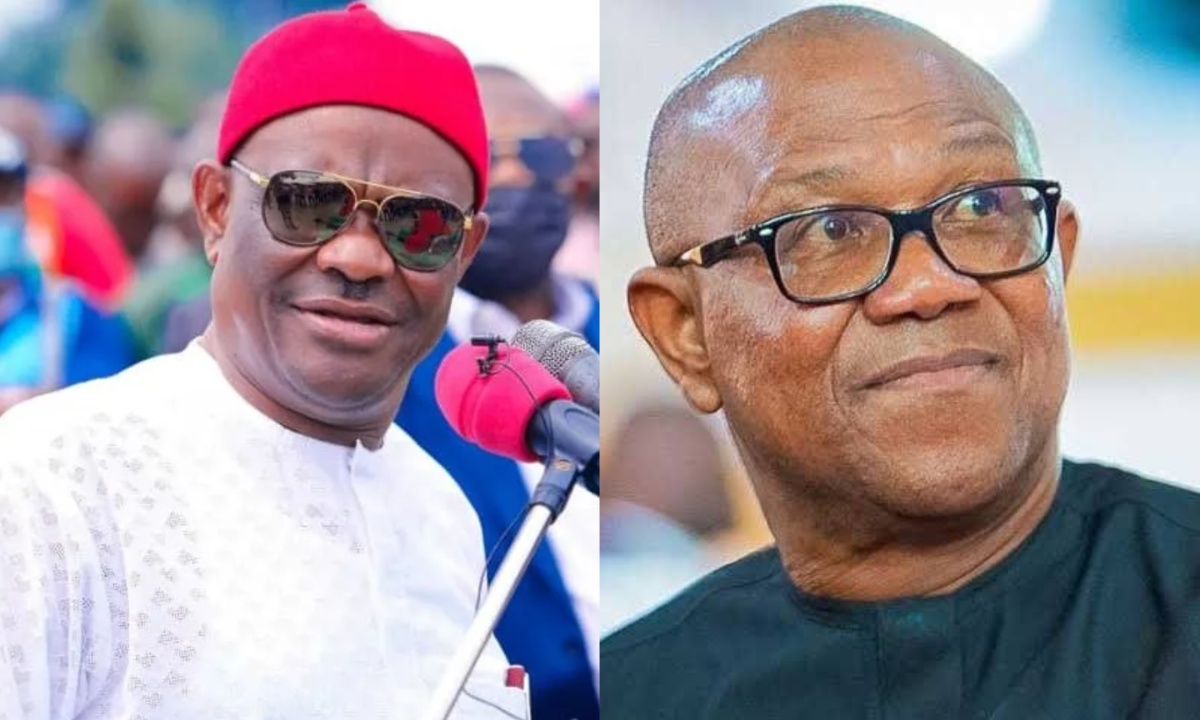
Federal Capital Territory Minister Nyesom Wike has taken a fresh swipe at Peter Obi, describing the former Anambra governor as a “food is ready” politician who lacks the toughness required to lead Nigeria through difficult times.
Wike made the remark on Monday during his monthly media chat in Abuja, where he spoke extensively about leadership, political loyalty and the growing realignments ahead of the 2027 general election.
The former Rivers State governor argued that Nigeria’s current challenges require leaders who can withstand pressure, survive political battles and make hard decisions under intense criticism.
“Peter Obi is like food is ready, ‘mama put’. I don’t want struggling in this country. There are challenges. You must have the capacity to face those challenges,” Wike said during the session.
The minister suggested that leadership is not about public sympathy or constant criticism of opponents, but about remaining standing during political storms. He pointed to his own experience within the Peoples Democratic Party (PDP), insisting that he stayed back to fight despite pressure from influential politicians within the party.
According to Wike, several governors and party stakeholders expected him to dump the PDP during the internal crisis that rocked the opposition party, but he refused to walk away.
“You saw in PDP, all the governors, I said I will not leave this party. They had money, yes, but it’s not money. I said I was not going to leave, rather you will leave. Have I left? Have you not left?” he stated.
The FCT minister also revisited the backlash that followed his appointment under President Bola Ahmed Tinubu’s administration, saying he faced relentless criticism from political opponents and sections of the public but remained focused on his responsibilities.
“That’s what makes you a leader. That’s what makes you a man. Leadership is not bashing you. That’s not leadership. You remember when I came here as a minister, there was nothing I did not, no abuse I did not get,” he added.
Wike’s latest comments are expected to deepen political tensions ahead of the 2027 elections, especially as conversations around opposition coalitions, new political alliances and possible presidential contenders continue to dominate Nigeria’s political landscape.
The remarks have already sparked reactions online, with supporters of both politicians debating whether leadership should be defined by political toughness, popularity, economic ideas or the ability to build public trust.