Now Reading: US Launches ‘Self-Defense’ Strikes on Iran as Trump Pushes Tougher Ceasefire Deal
-
01
US Launches ‘Self-Defense’ Strikes on Iran as Trump Pushes Tougher Ceasefire Deal
US Launches ‘Self-Defense’ Strikes on Iran as Trump Pushes Tougher Ceasefire Deal

Fresh tensions have erupted between the United States and Iran after American forces carried out what officials described as “self-defense” strikes targeting Iranian military infrastructure, even as negotiations continue over a fragile ceasefire and the reopening of the Strait of Hormuz.
The weekend operation, confirmed by the United States Central Command, targeted Iranian radar systems, command-and-control sites and armed drones. US officials said the strikes were launched after Iran allegedly shot down an American MQ-1 drone operating over international waters.
In a statement released Sunday night, CENTCOM said US fighter jets “swiftly responded” by destroying Iranian air defenses, a ground control station and two one-way attack drones believed to pose threats to vessels moving through regional waters.
Iran quickly responded through the Islamic Revolutionary Guard Corps, claiming it had struck a US air base connected to attacks on Iran’s Sirik Island telecommunications facilities. Iranian state media did not specify the location of the targeted base, though the announcement came shortly after Kuwait reported intercepting drone and missile attacks.
CENTCOM later confirmed that two Iranian ballistic missiles aimed at American forces stationed in Kuwait were intercepted successfully, adding that no US personnel were harmed. The latest exchange marks another dangerous escalation in the uneasy conflict that has continued despite a shaky ceasefire agreement first reached in April.
At the centre of the ongoing diplomatic standoff is a proposed agreement between Washington and Tehran aimed at extending the ceasefire, reopening the Strait of Hormuz and paving the way for broader talks on Iran’s nuclear programme.
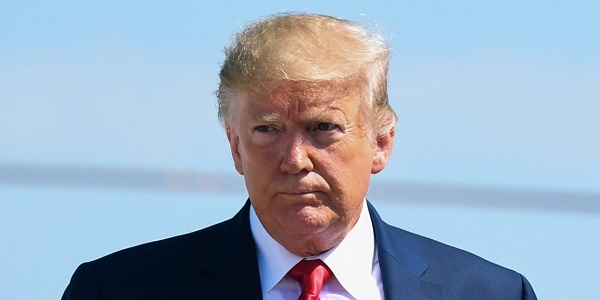
However, President Donald Trump has reportedly sent back revised terms demanding stronger guarantees from Iran, especially regarding nuclear commitments and freedom of navigation through the strategic waterway.
Trump also expressed concerns over any financial concessions that could resemble the controversial Obama-era nuclear agreement, which he has repeatedly criticised. Despite claiming last week that a deal was “largely finalized,” negotiations remain stalled over major disagreements involving Iran’s uranium stockpile and economic relief demands.
Iranian Parliament Speaker Mohammad Bagher Ghalibaf insisted Tehran would not approve any agreement unless the country’s rights and interests were fully protected. He also warned that Iran does not trust American promises and would only honour commitments tied to tangible benefits.
Meanwhile, the conflict continues to shake global energy markets. The US Navy has maintained its blockade of Iranian ports and intensified efforts to secure the Strait of Hormuz, a critical route for global oil shipments. American forces recently disabled another commercial vessel accused of violating the blockade, marking the fifth such interception since operations began.
The prolonged instability has already pushed fuel prices higher across the United States and intensified concerns about global oil supply disruptions. According to the US Energy Information Administration, the country’s Strategic Petroleum Reserve has seen another sharp decline as reserves are used to stabilise prices and offset supply shocks.
Despite the growing pressure, White House economic officials insist the United States still has sufficient oil reserves and believes Iran is under increasing pressure to accept Washington’s terms before the crisis spirals further out of control.