Now Reading: Bangladesh President Mohammed Shahabuddin Resigns Over Ill Health Amid Political Uncertainty
-
01
Bangladesh President Mohammed Shahabuddin Resigns Over Ill Health Amid Political Uncertainty
Bangladesh President Mohammed Shahabuddin Resigns Over Ill Health Amid Political Uncertainty

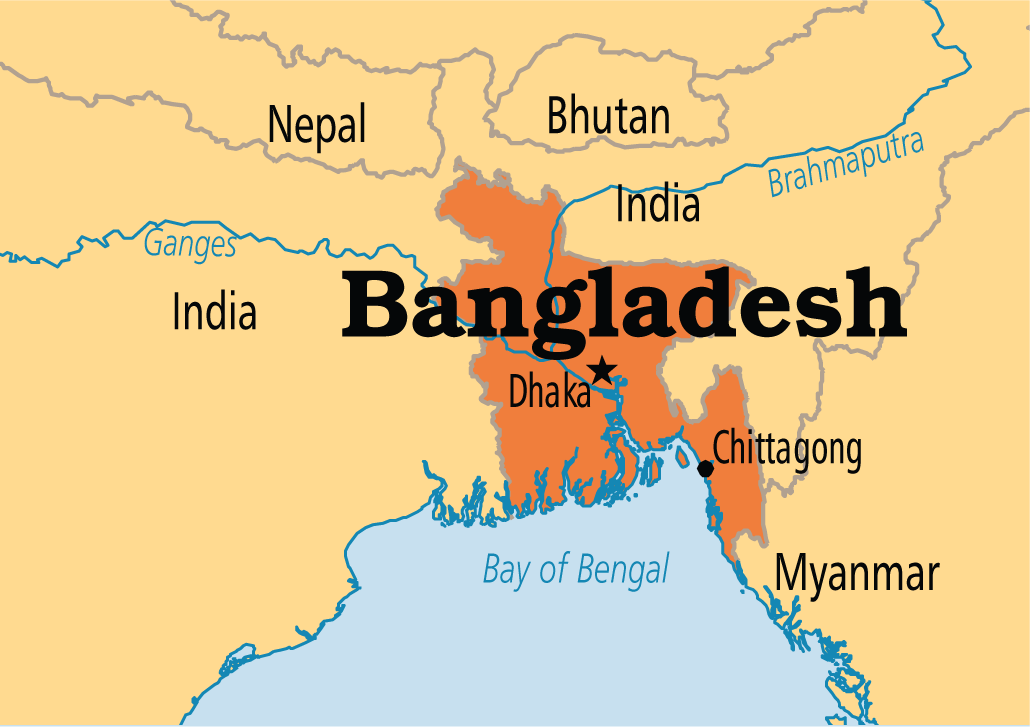
Bangladesh has entered a fresh phase of political uncertainty after President Mohammed Shahabuddin resigned from office, citing worsening health that he said has made it impossible for him to continue carrying out his constitutional duties.
The 76-year-old president, widely known as “Chuppu”, confirmed his resignation during a telephone conversation with AFP on Friday. “Yes, I have resigned,” Shahabuddin said when asked about reports that he planned to step down before the end of his tenure in 2028.
In his resignation letter addressed to the Speaker of Parliament, the outgoing president explained that his physical and mental condition had deteriorated to the point where he could no longer effectively discharge the responsibilities of the nation’s highest constitutional office.
“Due to worsening physical and mental incapacity… it is no longer possible for me to properly discharge the responsibilities of an important constitutional office such as the presidency,” the letter stated.
Shahabuddin, a close ally of former Prime Minister Sheikh Hasina, was elected by parliament in 2023 with the backing of the Awami League. Although the presidency is largely ceremonial in Bangladesh, his tenure became increasingly controversial after Hasina was removed from power during a student-led uprising in 2024.
Following Hasina’s ouster, opposition voices repeatedly demanded Shahabuddin’s resignation, arguing that his close relationship with the former leader undermined confidence in the presidency. The pressure intensified after allegations surfaced that he had spoken with Hasina by telephone while receiving medical treatment in London in May. Shahabuddin denied the claim.
Just a day before the resignation became public, Bangladesh’s Home Minister, Salahuddin Ahmed, said the government had not received any formal notification from the president. He noted that any resignation must be submitted to the Speaker of Parliament in line with constitutional procedures.
Shahabuddin’s departure now opens another chapter in Bangladesh’s evolving political landscape as authorities prepare for the constitutional process required to fill the vacant office.