Now Reading: Senate Passes Bill To Establish National Agency For Malaria Elimination In Nigeria
-
01
Senate Passes Bill To Establish National Agency For Malaria Elimination In Nigeria
Senate Passes Bill To Establish National Agency For Malaria Elimination In Nigeria

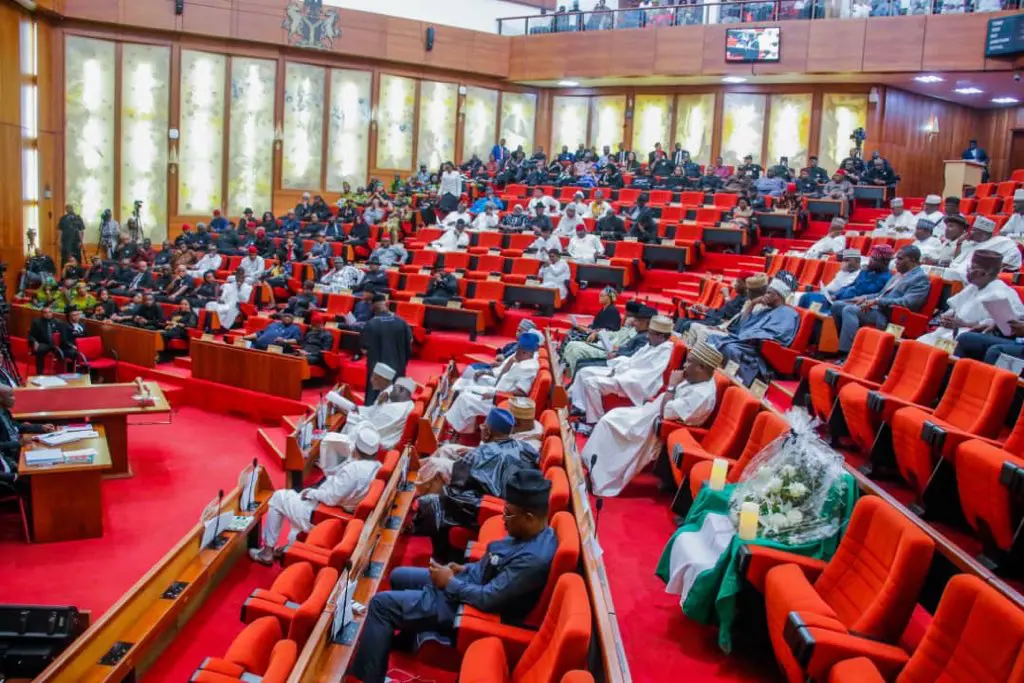
Nigeria has taken a major legislative step in the fight against malaria after the Senate passed a bill seeking the establishment of a National Agency for Malaria Elimination.
The proposed agency is expected to coordinate nationwide efforts aimed at preventing, controlling and ultimately eradicating malaria, one of the country’s deadliest and most persistent public health challenges.
The bill, sponsored by Ned Nwoko, scaled third reading after lawmakers adopted a report presented by the Senate Committee on Health (Secondary and Tertiary), chaired by Ipalibo Harry Banigo.
According to the committee, the agency will oversee national malaria elimination programmes while shifting Nigeria’s strategy away from treatment-focused responses towards prevention, environmental control and long-term eradication measures.
The proposed institution is also expected to establish zonal and state offices across the country to strengthen implementation through a system built around science, accountability and legal backing.
President of the Senate, Godswill Akpabio, described the legislation as a significant milestone in Nigeria’s public health sector, stressing that malaria continues to affect millions of Nigerians every year.
Speaking after the bill was passed, Nwoko said malaria elimination in Nigeria is realistic if there is sustained commitment and coordinated action from government agencies and health institutions.
The senator explained that the agency would explore strategies including environmental fumigation, improved waste management, mosquito control and vaccine research to tackle the disease more aggressively.
He also expressed optimism that Nigeria could eventually become the first malaria-free country in Africa if the proposed measures are fully implemented.
The development comes weeks after the World Health Organization approved a new malaria treatment specifically designed for newborns and infants for the first time.
The WHO said the newly approved Artemether-lumefantrine formulation meets global standards for quality, safety and effectiveness, reducing the risks associated with using malaria drugs originally designed for older children.
According to WHO estimates, malaria caused about 282 million infections and 610,000 deaths globally in 2024, with Africa accounting for 95 per cent of cases and deaths. Children under the age of five remain the most vulnerable group affected by the disease.