Now Reading: Israel-Hezbollah Ceasefire Under Pressure As Fresh Strikes Hit Lebanon Despite US-Brokered Deal
-
01
Israel-Hezbollah Ceasefire Under Pressure As Fresh Strikes Hit Lebanon Despite US-Brokered Deal
Israel-Hezbollah Ceasefire Under Pressure As Fresh Strikes Hit Lebanon Despite US-Brokered Deal

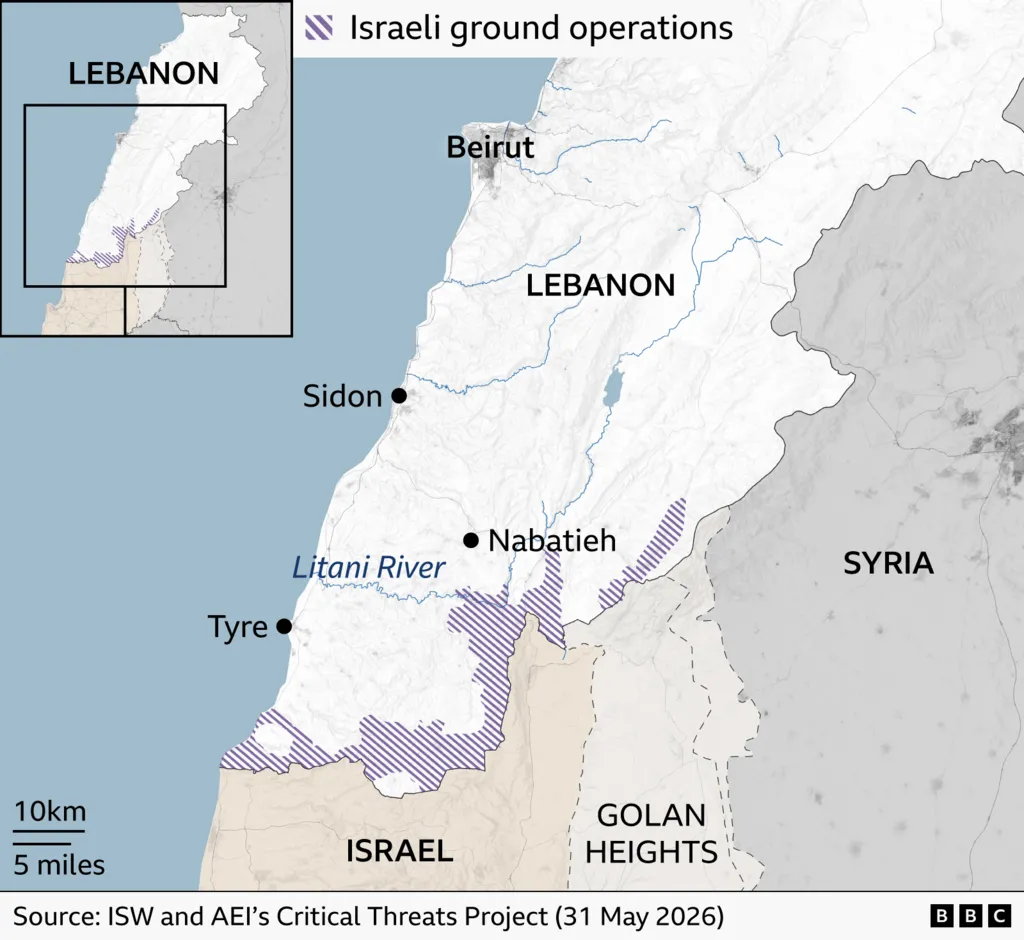
Fresh violence has erupted across southern Lebanon despite a new US-brokered ceasefire arrangement aimed at easing tensions between Israel and Hezbollah, raising fears that the fragile truce could collapse within days.
The latest agreement, announced earlier this week, was expected to reduce hostilities after months of deadly fighting linked to the wider conflict involving the United States, Israel and Iran. However, continued Israeli air strikes and renewed rocket fire near the border have already cast doubt over its effectiveness.
Under the partial ceasefire deal, Israel reportedly agreed to avoid large-scale attacks on Beirut, while Hezbollah would refrain from launching attacks into northern Israel. Talks between Lebanese and Israeli representatives are expected to resume on June 22 as both sides attempt to negotiate a broader settlement.
But confusion and disagreement over the terms of the arrangement have emerged almost immediately.
A senior Hezbollah political figure, Mahmoud Qamati, told the BBC that the group did not recognise the ongoing negotiations and insisted there was “no ceasefire agreement” beyond efforts to shield Beirut’s southern suburbs from heavy bombardment.
Meanwhile, far-right Israeli minister Itamar Ben-Gvir criticised the agreement, warning that it could give Hezbollah time to regroup and strengthen its military capabilities.
Despite diplomatic efforts, deadly attacks continued on Wednesday across southern Lebanon. Lebanese authorities said Israeli strikes killed several civilians, including Syrians and Palestinians, near the coastal city of Tyre.
Lebanon’s health ministry also accused Israeli forces of targeting an ambulance linked to the Amal movement, a Hezbollah ally, killing two paramedics and seriously injuring another. The ministry condemned the attack as a violation of international humanitarian law.
The Israeli Defense Forces has not commented directly on the latest allegations but has previously claimed armed groups use ambulances and civilian infrastructure for military operations.
The Lebanese army also reported casualties among its soldiers after separate Israeli drone strikes near Nabatieh, accusing Israel of deliberately targeting military personnel and positions.
At the same time, Israel said it intercepted hostile aircraft and rockets crossing from Lebanon into northern Israeli communities. Hezbollah later claimed responsibility for a rocket barrage targeting Israeli troops, saying it was responding to repeated Israeli violations of the ceasefire.
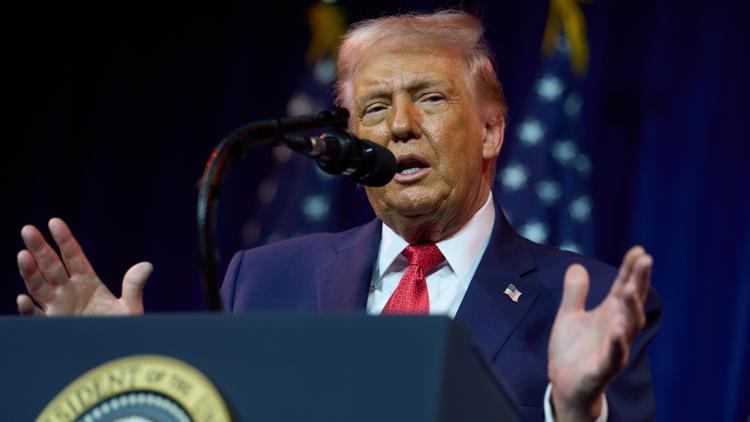
The growing instability comes as Donald Trump pushes for a wider regional agreement to end the broader war involving Iran.
According to reports, Trump personally pressured Israeli Prime Minister Benjamin Netanyahu to reduce attacks on Beirut amid fears that escalating violence in Lebanon could derail ongoing negotiations with Tehran.
Iran has also warned that any lasting ceasefire in the region must include Lebanon. Iranian Foreign Minister Abbas Araghchi stated that Tehran’s armed forces remain prepared to resume military action if Israeli strikes continue.
The conflict has already devastated Lebanon. Authorities say more than 3,500 people have been killed since fighting intensified earlier this year, while over one million residents have reportedly been displaced from their homes