Now Reading: Nigeria Senate Moves to Regulate Cryptocurrency as Lawmakers Push Emergency Revival of Textile Industry
-
01
Nigeria Senate Moves to Regulate Cryptocurrency as Lawmakers Push Emergency Revival of Textile Industry
Nigeria Senate Moves to Regulate Cryptocurrency as Lawmakers Push Emergency Revival of Textile Industry

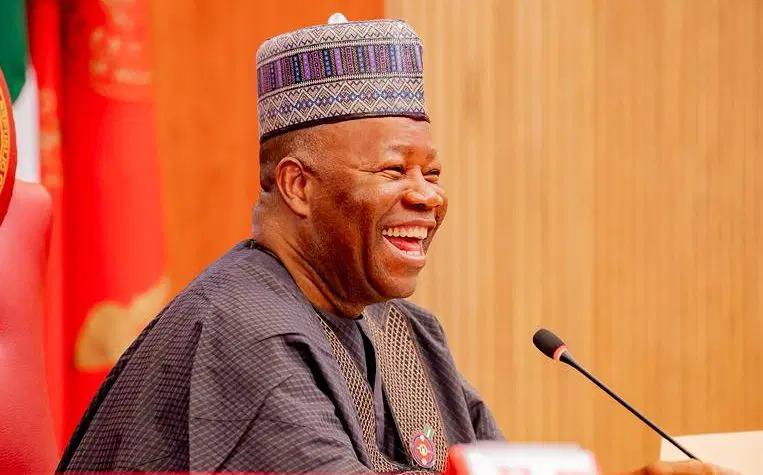
Nigeria’s Senate has taken a major step toward regulating cryptocurrency and other virtual assets, while also calling for urgent action to rescue the country’s collapsing textile industry.
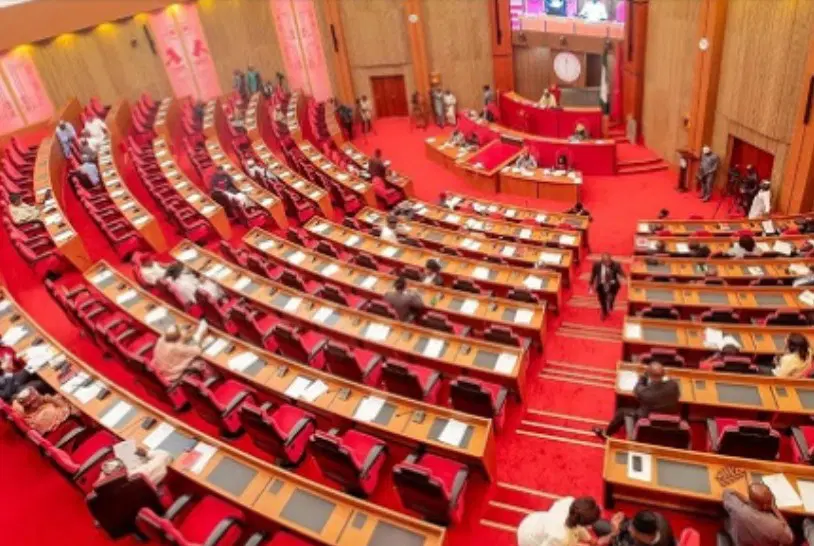
Lawmakers on Tuesday advanced a bill aimed at creating a legal framework for digital assets and virtual asset service providers operating in Nigeria. The proposed legislation, sponsored by Deputy Senate President Barau Jibrin, passed second reading during plenary after receiving broad support from senators.
Leading the debate on behalf of the sponsor, Senate Chief Whip Mohammed Tahir Monguno said Nigeria has become one of the world’s largest markets for virtual assets despite lacking a clear legal structure to regulate the fast-growing sector.
He noted that cryptocurrencies, blockchain-based tokens and other digital assets are now deeply tied to modern financial systems and investment activities across the globe.
“Virtual assets, from cryptocurrency to blockchain-based tokens, have become an integral part of modern economic life,” Monguno told lawmakers during the session.
According to him, innovation in the digital asset space has expanded rapidly while regulations have failed to keep pace, leaving gaps that could expose users and the financial system to risks.
The proposed bill is expected to provide rules for digital asset operators, strengthen investor protection and improve oversight of virtual transactions in Nigeria’s financial ecosystem. Following the debate, the Senate unanimously voted to move the bill forward for further legislative consideration.
Earlier during proceedings, another proposal sponsored by Barau Jibrin — the Nigeria Communications Commission Amendment Bill 2026 — also scaled first reading in the upper chamber.
Beyond cryptocurrency regulation, senators also turned attention to Nigeria’s struggling textile industry, adopting a motion urging the Federal Government to take immediate steps to revive the once-thriving sector.
The motion, sponsored by Senator Sunday Marshall Katung and co-sponsored by Barau Jibrin alongside other lawmakers, highlighted the massive economic losses caused by the collapse of local textile manufacturing.
Speaking during the debate, Barau warned that Nigeria’s dependence on imported fabrics was destroying local jobs and weakening the country’s industrial base.
“This issue touches on our overall well-being as Nigerians and on our economy,” he said. “We have lost thousands of jobs and livelihoods due to the collapse of our textile industry.”
He added that importing nearly all textile products consumed in the country means Nigeria is indirectly creating employment opportunities abroad while local factories remain shut and workers unemployed.