Now Reading: Iraq Presses OPEC for Higher Oil Quota, Warns Production Limits No Longer Reflect Reality
-
01
Iraq Presses OPEC for Higher Oil Quota, Warns Production Limits No Longer Reflect Reality
Iraq Presses OPEC for Higher Oil Quota, Warns Production Limits No Longer Reflect Reality

Iraq has renewed its push for a larger oil production quota within OPEC, arguing that years of conflict, sanctions, and the recent Middle East war have significantly damaged its energy sector and limited its ability to maximise revenue from crude exports.
The Iraqi Oil Ministry said the country has consistently called for a review of OPEC production baselines to better reflect the actual production capacity of member states, particularly nations facing unique security and economic challenges.
Oil exports remain the backbone of Iraq’s economy, accounting for roughly 90 percent of government revenue. Officials say the country’s recovery efforts have been complicated by decades of instability, including wars, sanctions, and the impact of the recent regional conflict that disrupted energy infrastructure and export operations.
In a statement, the ministry noted that OPEC has already begun a process to reassess the production capacities of member countries. Baghdad believes the review should result in a higher production allocation that reflects its current capabilities and economic needs.
Speculation about Iraq potentially leaving OPEC intensified after reports emerged suggesting dissatisfaction with its current quota. However, Oil Ministry spokesperson Salim al-Rikabi dismissed claims that Baghdad plans to withdraw from the oil-producing alliance.
“Iraq has no intention of withdrawing from the organisation and remains committed to its mechanisms,” Rikabi said. However, he added that OPEC must eventually increase Iraq’s production quota, warning that the country may be forced to reassess its position if its concerns remain unresolved.
The issue comes at a sensitive time for OPEC following the departure of the United Arab Emirates from the organisation earlier this year. The move raised concerns about unity within the cartel as members navigate shifting global energy markets and post-war economic pressures.
Iraq says fellow OPEC members understand the extraordinary challenges it has faced, including damage caused during the recent Middle East conflict. During the war, several oil facilities were reportedly targeted by drones, while Iran’s blockade of the Strait of Hormuz disrupted exports and contributed to production cuts across the region.
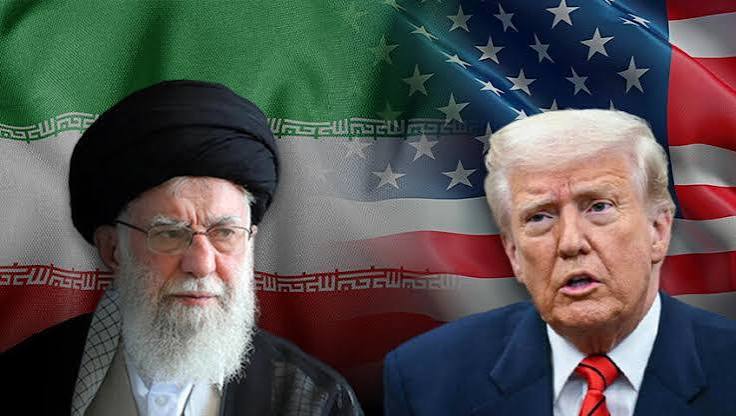
Before the conflict began on February 28, Iraq was producing approximately four million barrels of oil per day and exporting around 3.5 million barrels daily. Following a ceasefire agreement between Washington and Tehran, Iraqi authorities are now aiming to restore production to pre-war levels within the next two months.