Now Reading: Tinubu Reforms Will Outweigh Hardship, APC Can Win 2027 — Onanuga
-
01
Tinubu Reforms Will Outweigh Hardship, APC Can Win 2027 — Onanuga

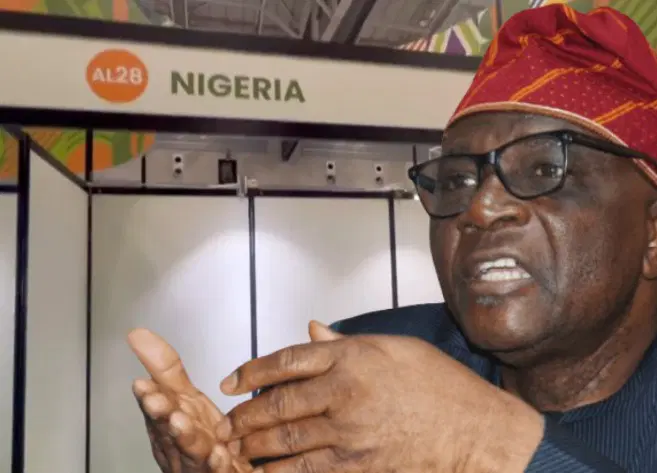
President Bola Tinubu’s economic reforms may be causing hardship now, but the gains will eventually outweigh the pains and could help the All Progressives Congress (APC) retain power in the 2027 elections, Special Adviser to the President on Information and Strategy, Bayo Onanuga, has said.
Onanuga said the Tinubu administration inherited an economy showing clear signs of financial distress in 2023 and had to act quickly to prevent a deeper crisis. He cited fuel supply problems, about $800 million owed to foreign airlines, more than $7 billion in unfunded letters of credit and accumulated Ways and Means obligations of about N30 trillion as evidence of the challenges confronting the country at the time.
The presidential aide said the situation had since improved, pointing to foreign reserves of about $52 billion, a more stable exchange rate, sustained trade surpluses and increased investor interest. He also claimed that the All-Share Index had risen more than fivefold since Tinubu assumed office, describing the Nigerian stock market as the world’s best in terms of returns to investors.
Onanuga acknowledged the impact of the reforms on living costs but said the government had introduced measures aimed at cushioning vulnerable Nigerians. He listed programmes including NELFUND, CrediCorp, free vocational education, increased minimum wage, Compressed Natural Gas (CNG) conversion and cash transfers to vulnerable households among the administration’s interventions.
With the 2027 election approaching, Onanuga said voters would ultimately compare the benefits of the reforms with the hardship they have experienced. He argued that the APC could receive another opportunity from Nigerians because, in his view, opposition figures had not presented credible alternative policies for managing the economy.
He also defended Tinubu’s decision to retain Vice President Kashim Shettima as his running mate, rejecting concerns over the Muslim-Muslim ticket. Onanuga said Shettima was chosen because of his capacity and contribution to government rather than his religion, insisting that claims that the administration would Islamise Nigeria had not materialised.
On state police, Onanuga said the reform could become a reality before the end of Tinubu’s first four-year tenure, provided the constitutional process is completed. He argued that state-controlled police forces would strengthen local security and could create as many as 360,000 jobs if each state recruited about 10,000 personnel.
He said the current policing structure leaves governors with limited direct control over security despite their designation as chief security officers of their states. According to him, commissioners of police report to Abuja, creating a gap that state police could help close. He added that some governors had indicated their willingness to fund state police from increased resources available to states.
On local government autonomy, Onanuga admitted that implementation of financial autonomy for councils had been slow but said the Federal Government remained committed to giving effect to the Supreme Court judgment on the issue. He urged Nigerians to hold governors accountable if they spend more time in Abuja than in their respective states, saying citizens have a responsibility to demand effective governance.