Now Reading: Trump Orders Review of US Childhood Vaccine Policy Amid Measles Outbreak
-
01
Trump Orders Review of US Childhood Vaccine Policy Amid Measles Outbreak
Trump Orders Review of US Childhood Vaccine Policy Amid Measles Outbreak

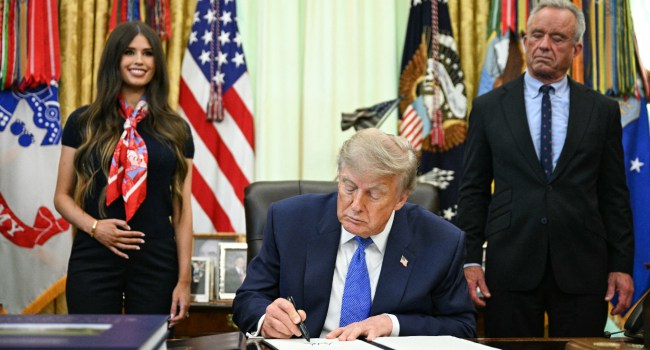
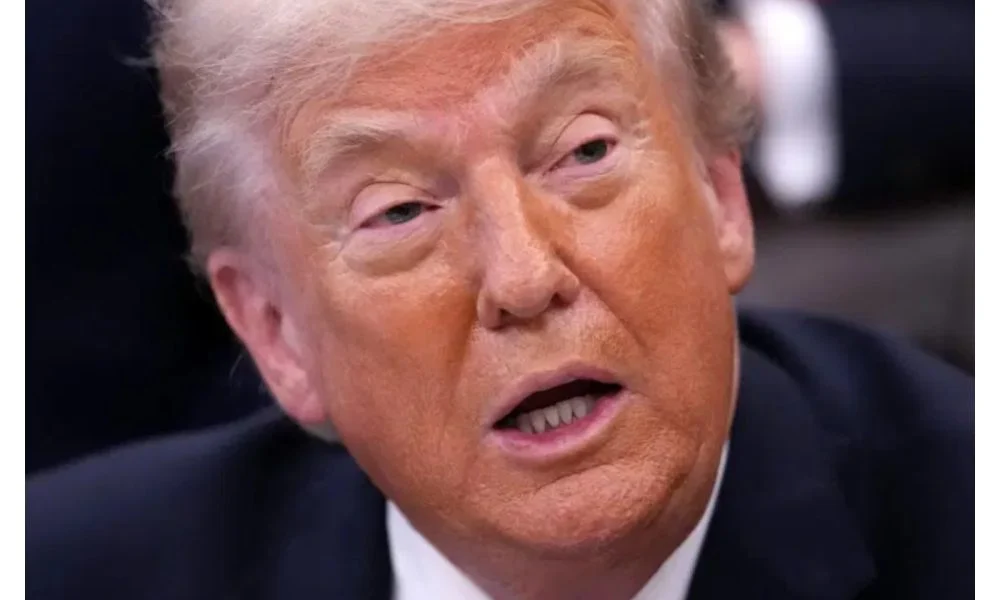
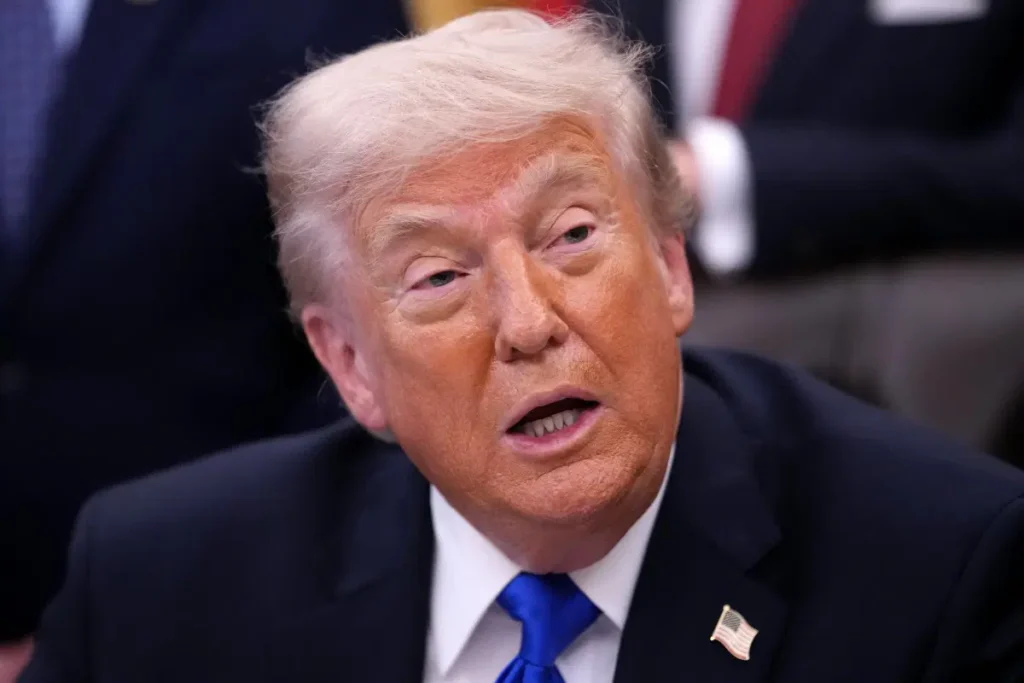
US President Donald Trump has signed an executive order calling for changes to childhood vaccine policy, including a review of school immunisation requirements and renewed efforts to make the measles, mumps and rubella (MMR) vaccine available as separate shots.
The order, signed at the White House on Monday, directs federal agencies to encourage states and territories to review their vaccination requirements for school enrolment and attendance. However, states retain the authority to set their own school vaccination rules, meaning the federal directive is largely advisory on that issue.
The order also instructs the US Department of Health and Human Services to establish a task force to work towards making separate measles, mumps and rubella vaccines available. It does not call for the removal of the combined MMR vaccine, which would continue to be available.
The move is a major policy priority for Health Secretary Robert F. Kennedy Jr, a longtime vaccine critic who has promoted the discredited claim linking vaccines to autism. Scientific research has repeatedly found no credible evidence that vaccines cause autism.
Medical organisations have continued to support the combined MMR vaccine, citing decades of safety data and the benefit of providing protection against three diseases through a single vaccination. The American Academy of Pediatrics has warned that developing separately approved vaccines in the US could take more than a decade.
The administration’s push comes as the United States faces its worst measles outbreak in decades and as children prepare to return to school. Earlier attempts by the Trump administration to make major changes to federal vaccine policy were blocked by a federal court following challenges from major medical organisations.
Trump made several unsupported claims about vaccines during the signing ceremony, while his administration continues to face criticism from public health experts over its approach to immunisation. Most Americans still support vaccination, according to polling cited in the report.
The latest order is likely to intensify debate over the role of government in vaccine policy, particularly the balance between parental choice, state authority and public health protections. Jeffrey Singer of the Cato Institute said the proposed changes showed the risks of giving government recommendations an overly influential role in medical decisions.