Now Reading: FG Considers ‘Seat-for-Debt’ Plan to Recover Airlines’ ₦60bn Aviation Debts
-
01
FG Considers ‘Seat-for-Debt’ Plan to Recover Airlines’ ₦60bn Aviation Debts
FG Considers ‘Seat-for-Debt’ Plan to Recover Airlines’ ₦60bn Aviation Debts

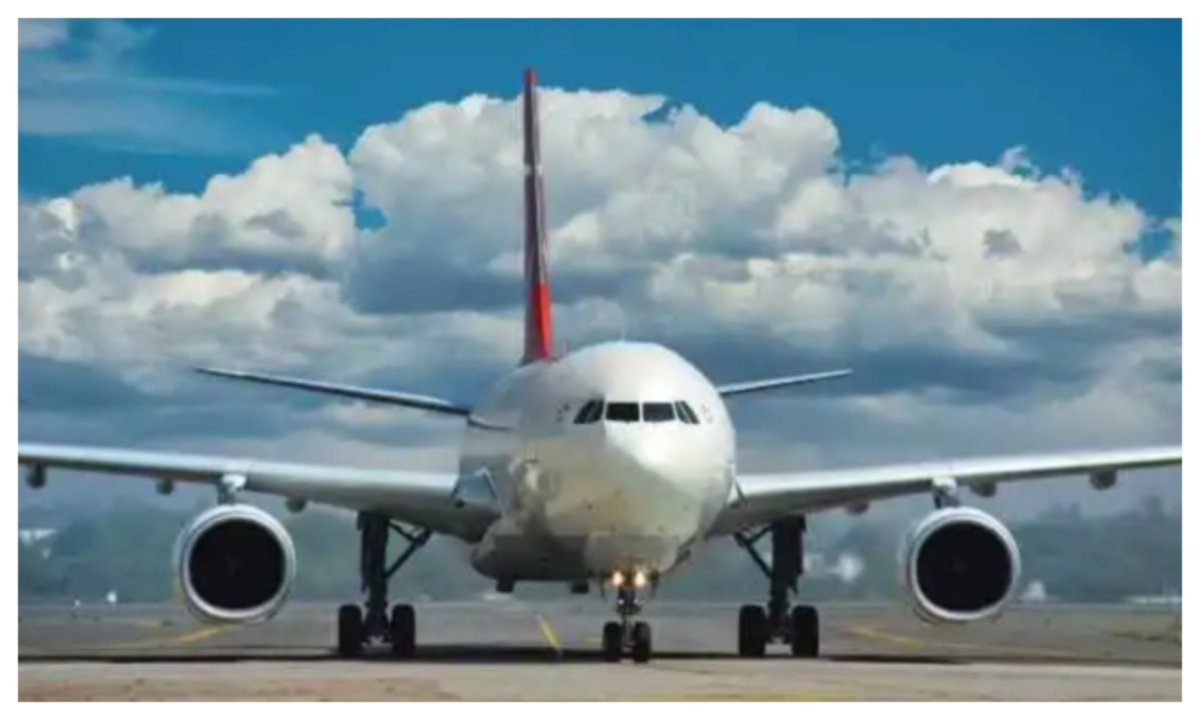
The Federal Government is considering a new seat-for-debt arrangement that would allow indebted domestic airlines to settle outstanding obligations to aviation agencies with flight tickets instead of immediate cash payments.
A senior official in the Ministry of Aviation and Aerospace Development said the proposed framework could cover debts owed to the Nigeria Civil Aviation Authority (NCAA), Nigerian Airspace Management Agency (NAMA) and Federal Airports Authority of Nigeria (FAAN). The plan is aimed at helping airlines preserve cash for daily operations while giving the government a structured way to recover outstanding revenue.
Under the proposal, airlines would allocate a portion of their ticket inventory towards settling agreed debts. The government or an approved distributor would then make the tickets available to corporate organisations, agencies and other eligible buyers at discounted rates.
The proposal was presented to ministry officials by QuickAir Networks Ltd, led by aviation technology expert Dr Segun Oyebolu, as part of a suggested national ticket-for-cash aviation revenue recovery programme. Oyebolu said the arrangement would allow airlines to convert a perishable asset — unsold seats — into a mechanism for clearing existing liabilities.
The proposed system would involve each participating airline creating a centralised digital wallet reflecting its agreed debt position. Ticket inventory equivalent to the outstanding amount would then be assigned to the wallet, from which authorised distributors could access and sell the allocated seats.
The proposal also includes an automatic revenue-remittance mechanism. Under the suggested arrangement, five per cent of online ticket payments, representing the Ticket Sales Charge (TSC), would be transferred to a designated NCAA account, while the remaining 95 per cent would go directly to the airline.
Oyebolu, however, warned that the arrangement would fail to solve the problem if airlines continue accumulating new debts. Further consultations are expected to determine which airlines would participate, the debts that qualify, how ticket allocations would work and whether the scheme should begin with a controlled pilot programme.
Domestic airlines are reportedly facing more than ₦60 billion in accumulated debts to aviation agencies and fuel suppliers. Operators have linked the financial pressure to rising Jet A1 prices and foreign exchange challenges, while government agencies have also raised concerns over unpaid statutory charges, including the five per cent TSC.
The debt dispute has already triggered industrial action at some airline terminals. Aviation unions, including the National Union of Air Transport Employees (NUATE) and the Association of Nigerian Aviation Professionals (ANAP), have picketed terminals in Lagos and Abuja over alleged non-remittance of funds. NUATE recently put the unpaid TSC attributed to domestic airlines at about ₦25 billion, while Aviation Minister Festus Keyamo disclosed that one airline alone owes the Federal Government ₦14 billion.