Now Reading: Ibrahim Babangida at 85: The Legacy of Nigeria’s Most Controversial Military Ruler
-
01
Ibrahim Babangida at 85: The Legacy of Nigeria’s Most Controversial Military Ruler
Ibrahim Babangida at 85: The Legacy of Nigeria’s Most Controversial Military Ruler

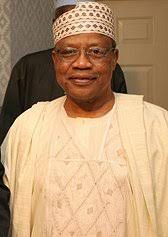
Former military President Ibrahim Badamasi Babangida is 85 today, but the debate over his place in Nigeria’s history remains as intense as ever. More than three decades after he left power, tributes to the former military ruler are once again bringing his achievements, reforms and most controversial decisions into focus.
President Bola Tinubu has described Babangida as a consequential Nigerian leader whose eight-year rule left a lasting imprint on the country’s political, economic and geographical development. Yet for many Nigerians, any assessment of the former leader still comes back to one defining event — the annulment of the June 12, 1993 presidential election.
The election, widely regarded as credible, produced Moshood Abiola as the apparent winner. Babangida’s military government, however, annulled the poll, triggering a political crisis that eventually contributed to his decision to step aside in August 1993. The episode became one of the most disputed moments in Nigeria’s democratic history.
For years, Babangida defended the annulment, maintaining that it was necessary to protect national stability and prevent a possible military intervention. But in 2025, he acknowledged that the June 12 election was credible and that Abiola had won. He also expressed regret and accepted responsibility for decisions made during his administration.
Babangida’s record, however, extends beyond June 12. His government introduced the Structural Adjustment Programme, which brought deregulation, privatisation, exchange-rate reforms and a greater reliance on market forces. While the policies were designed to restructure Nigeria’s economy, reduce dependence on oil and stimulate growth, they also imposed significant hardship on many Nigerians.
His administration also presided over major infrastructure projects, including the completion of the Third Mainland Bridge, alongside investments in roads and power. Babangida’s government further created new states and institutions as part of its broader restructuring of the country.
That combination of economic reform, infrastructure development and political controversy makes Babangida difficult to place neatly in Nigeria’s history. Supporters point to projects and institutional changes that shaped the country, while critics argue that his political decisions set back the democratic aspirations expressed through the June 12 election.
At 85, Babangida’s legacy therefore remains deeply contested. He can be remembered as a military ruler who pursued ambitious reforms and infrastructure projects, but also as the leader whose government annulled an election that Nigerians had widely accepted as credible.
Perhaps the most honest assessment is that Babangida’s place in Nigerian history cannot be reduced to either achievement or controversy. His eight years in power produced decisions whose effects continue to shape the country — making his legacy one of Nigeria’s most complicated political chapters.