Now Reading: Senate Urges INEC to Disqualify Candidates Linked to Electoral Violence Ahead of 2027
-
01
Senate Urges INEC to Disqualify Candidates Linked to Electoral Violence Ahead of 2027
Senate Urges INEC to Disqualify Candidates Linked to Electoral Violence Ahead of 2027

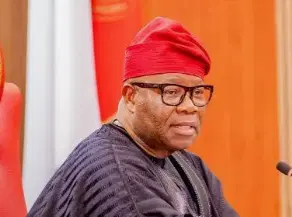
The Nigerian Senate has called on the Independent National Electoral Commission (INEC) to disqualify candidates whose supporters are found to have instigated or participated in electoral violence, provided there is an established court conviction.
The lawmakers made the call while condemning the reported increase in political violence across the country ahead of the 2027 general elections.
The resolution followed a motion sponsored by Senator Abdul Ningi, representing Bauchi Central, on the need to address rising cases of political intolerance, attacks on political leaders and violence involving supporters of political parties.
The Senate also urged state governors to stop denying opposition parties access to public facilities, including hotels, stadiums and other venues under government control, for political activities.
It called on security agencies to conduct impartial and transparent investigations into reported incidents of political violence in Abuja, Edo, Delta and Sokoto states, identify those responsible and prosecute them where evidence supports criminal charges.
The lawmakers further urged the Federal Government to direct the Inspector-General of Police and other security agencies to strengthen protection for political leaders, candidates, supporters and political gatherings nationwide. They also called for effective early-warning and rapid-response mechanisms to prevent violence during the election period.
The Senate mandated its Committees on National Security and Intelligence, Police Affairs, and INEC to engage relevant institutions and report back within one week on measures to prevent political violence and safeguard the 2027 elections.
Speaking during the debate, Senate President Godswill Akpabio urged INEC to enforce the provisions of the Electoral Act, particularly those dealing with electoral offences and violence.
He said the law provided for sanctions against offences such as intimidation, the snatching of Bimodal Voter Accreditation System (BVAS) machines, ballot boxes and other electoral materials.
Akpabio also referred to penalties ranging from 12 months to five years’ imprisonment for certain offences, including aggravated acts of violence. He further cited provisions allowing INEC to suspend elections in areas affected by violence and reschedule them within 24 hours.
The Senate President also referred to the Electoral Offences Commission Bill 2025, which he said was passed alongside the Electoral Act to establish a dedicated mechanism for addressing electoral offences, including vote-buying, violence and attacks on INEC officials.
Earlier, Ningi cited reported attacks on President Bola Tinubu’s motorcade in Abuja, Peter Obi and other political stakeholders in Benue and Edo states, as well as the disruption of a political procession involving supporters of the Nigeria Democratic Congress (NDC) and the Obidient Movement in Asaba, Delta State.
He also mentioned the reported attack on the convoy of former Vice President and African Democratic Congress (ADC) presidential candidate, Atiku Abubakar, in Sokoto State.
The motion further referenced the reported November 7 incident in Asaba, which allegedly resulted in one death and five injuries, and an attack on Tinubu’s convoy after he observed Jumu’ah prayers at the Shehu Shagari Central Mosque in Abuja on November 13, 2026.
Contributing to the debate, Senator Ali Ndume, representing Borno South, proposed restrictions on carrying dangerous weapons during political campaigns. He also suggested establishing mobile courts to ensure the prompt prosecution of individuals arrested for carrying weapons or engaging in violence during campaign activities.
Ndume stressed that the measures should apply to all political parties, including the APC, and warned that political violence could spread if not addressed.
Senator Binos Yaro, representing Adamawa South, also urged governors to guarantee equal access to public facilities for rival political parties, warning that restrictions could undermine fair political competition.
Meanwhile, Senator Sampson Ekong, representing Akwa Ibom South, called for the Ministry of Information and the National Orientation Agency (NOA) to intensify public awareness campaigns against political violence, particularly to discourage the recruitment of young people into violent activities.
Senator Sumaila Kawu, representing Kano South, supported the call for stronger enforcement, questioning the practice of political candidates appearing at campaign events surrounded by supporters carrying dangerous weapons.
The Senate maintained that political violence threatens democratic participation, public confidence in the electoral process and the peaceful conduct of the 2027 general elections.