Now Reading: Lagos BRT Crisis: Why 200 Burnt Buses Have Not Been Replaced, Hamzat Explains
-
01
Lagos BRT Crisis: Why 200 Burnt Buses Have Not Been Replaced, Hamzat Explains
Lagos BRT Crisis: Why 200 Burnt Buses Have Not Been Replaced, Hamzat Explains

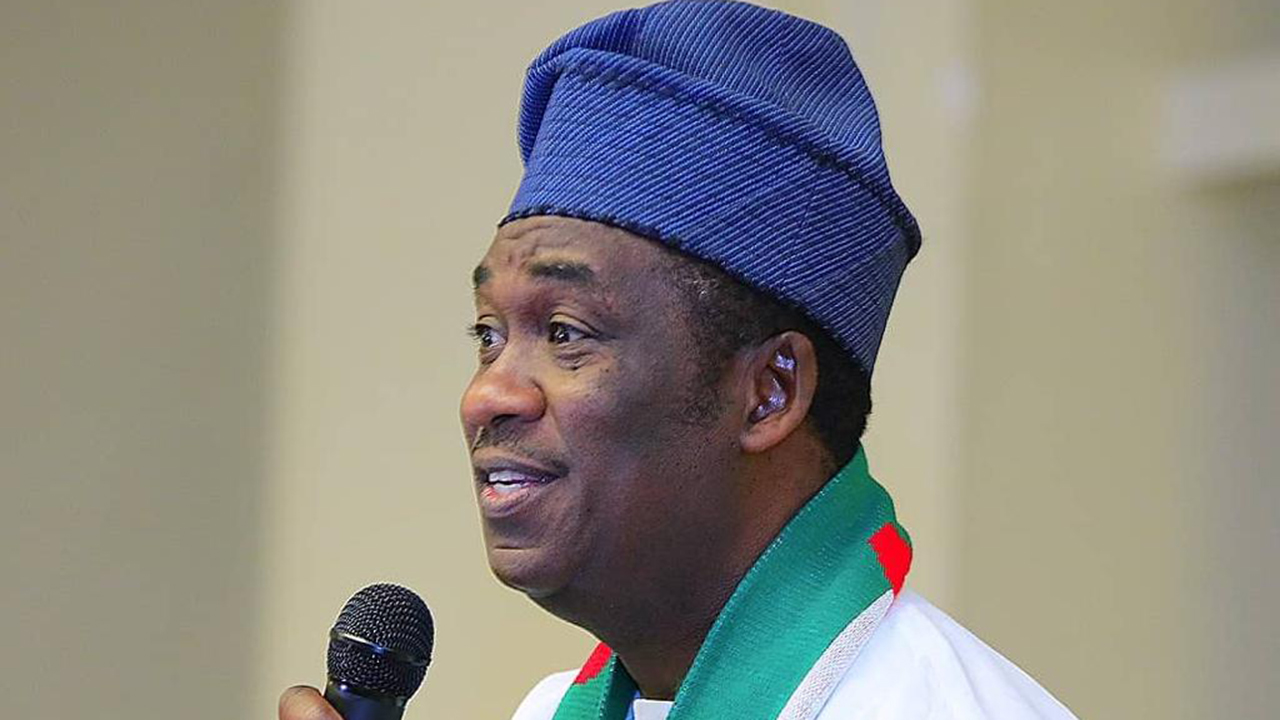
Lagos State has blamed the rising cost of new buses for its failure to fully replace BRT vehicles destroyed during the 2020 #EndSARS unrest, with Deputy Governor Obafemi Hamzat saying a bus that once cost about N80 million now costs roughly N280 million.
Hamzat disclosed this on Thursday during a question-and-answer session on Nigeria Info FM, where he responded to concerns over the shortage of BRT buses and the wider challenges facing public transportation in Lagos.
He said about 200 BRT buses were destroyed during the #EndSARS unrest and explained that the huge increase in vehicle prices had made replacing the lost buses difficult for the state government.
“During #EndSARS, if you recall, 200 of those buses were burnt. We bought those buses at that time for 80 million per bus. Now, it’s about 280 million per one,” Hamzat said.
The deputy governor added that the state had planned to gradually withdraw older buses from service after about seven or eight years. However, the buses destroyed during the unrest have not been fully replaced, leaving the transport system with fewer vehicles than required.
“If we release those 200 buses into the state, you know, it carries because we know we have anticipated that, okay, some of these buses are seven-year-old, eight-year-old, and we must take them out of circulation,” he said.
Hamzat’s figure, however, differs from an earlier account by the Lagos State Government. In April 2021, then Commissioner for Information and Strategy Gbenga Omotoso said 80 BRT buses had been destroyed during the violence, including 23 large buses in Ojodu and 57 medium-sized buses at Oyingbo.
The destruction followed the escalation of the #EndSARS protests in October 2020, which began with demands for an end to police brutality and the disbandment of the Special Anti-Robbery Squad before spreading into widespread violence and attacks on public and private property. The Oyingbo BRT terminal was among the facilities attacked during the unrest.
With the transport gap still affecting commuters, Hamzat said the government was looking increasingly towards private operators to expand the number of buses on Lagos roads. He said the state could support commuters through fare subsidies while allowing private companies to manage and deploy vehicles more quickly.
“Private will be able to manage it better than us,” the deputy governor said, arguing that government agencies often face lengthy approval processes that can slow down responses to changing transportation needs.
Hamzat also said Lagos was expanding other transport options, including ferries and rail services, as part of efforts to reduce pressure on the BRT system. He expressed confidence that combining road, rail and water transportation would eventually improve mobility across the state.