Now Reading: Bill Gates Proposes ‘Human-Reserved’ Jobs, Robot Tax to Protect Workers From AI Disruption
-
01
Bill Gates Proposes ‘Human-Reserved’ Jobs, Robot Tax to Protect Workers From AI Disruption
Bill Gates Proposes ‘Human-Reserved’ Jobs, Robot Tax to Protect Workers From AI Disruption

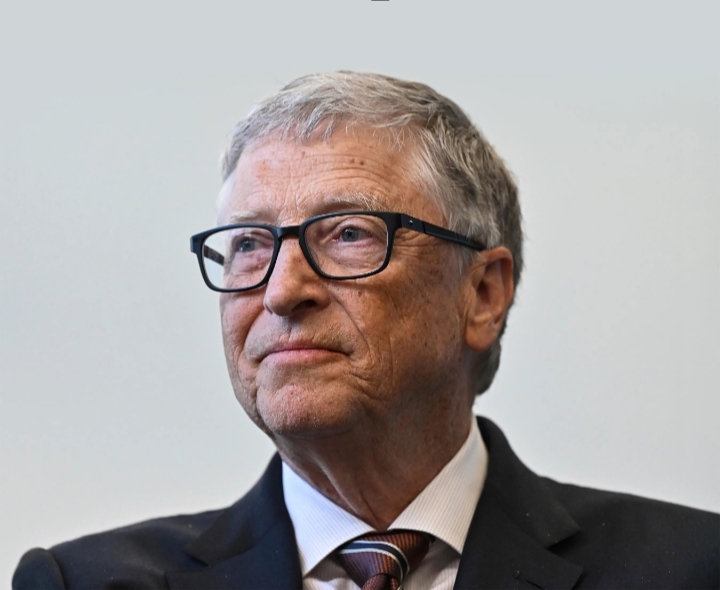
Microsoft co-founder Bill Gates has called for governments to protect some jobs from artificial intelligence and robotics, proposing a new category of “Human Reserved” work and taxes on AI and robots.
Gates made the proposal in a more than 6,000-word essay titled “The turbulent AI era is here. The choices we make now are critical,” published on his Gates Notes website. He warned that rapid advances in AI could significantly reshape employment, incomes and the way societies are organised.
His idea for “Human Reserved” jobs was partly shaped by his experience caring for his father, who died of Alzheimer’s disease in 2020. Gates said the paid caregivers who looked after his father provided a level of understanding and human connection that he believes machines should not replace. He argued that some roles should therefore remain exclusively human even when technology becomes capable of performing them.
Gates said the policy could also protect workers who would find it difficult to move into completely different careers after automation. He gave the example of a 55-year-old construction worker who could not simply be expected to switch to elderly care after losing a job to a machine. He added that decisions over which occupations should remain human would also involve ethical considerations, particularly in areas such as healthcare.
He suggested that some fields, including education and mental healthcare, could eventually combine human professionals with AI, with people remaining responsible for key decisions. Gates acknowledged that countries may reach different conclusions depending on their needs, pointing to Japan’s ageing and shrinking workforce as a case where robots could potentially play a larger role in elderly care.
The billionaire also renewed his support for a robot tax, arguing that current tax systems can make automation financially attractive because employers pay payroll taxes on human workers while machines can often be treated as business expenses. He said taxing AI and robots could slow the replacement of workers while raising money for retraining programmes and stronger social support.
Gates admitted that such taxation could reduce economic efficiency but argued that employment provides wider social value that should also be considered. He stressed that governments should begin preparing now, involving workers, students, educators, community leaders and other groups in decisions about how AI will affect society.
He said the central challenge would be ensuring that the benefits of AI do not flow only to people who already have wealth and influence. Gates called for governments to build stronger safety nets and prepare for workers and communities that could suffer job losses or reduced wages as AI adoption accelerates.