Now Reading: Presidency Challenges Atiku Over ‘Targeted Subsidy’ Plan, Demands Cost and Funding Details
-
01
Presidency Challenges Atiku Over ‘Targeted Subsidy’ Plan, Demands Cost and Funding Details
Presidency Challenges Atiku Over ‘Targeted Subsidy’ Plan, Demands Cost and Funding Details

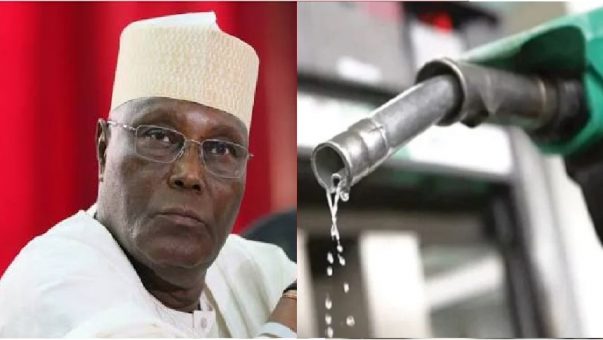
The Presidency has challenged African Democratic Congress (ADC) presidential candidate Atiku Abubakar to explain how his proposed return of petrol subsidy would work, demanding clear details on its cost, beneficiaries and funding.
The demand follows Atiku’s recent pledge to introduce a “targeted subsidy” aimed at restoring Nigerians’ purchasing power amid the rising cost of living. However, Special Adviser to President Bola Tinubu on Information and Strategy, Bayo Onanuga, accused the former vice-president of presenting conflicting positions on the policy.
Onanuga said Atiku’s proposal showed a poor understanding of petroleum refining economics and questioned whether the plan could work without creating fresh pressure on public finances. He also pointed to differing statements from Atiku’s aides, saying the former vice-president’s position appeared to have changed several times within a week.
The Presidency also challenged Atiku’s argument that the subsidy could simply “follow the barrel of crude”. Onanuga said petrol accounts for only about 45 per cent of the products obtained from a refined barrel, while diesel makes up roughly 25 per cent and aviation fuel and kerosene about nine per cent. Other products include asphalt, lubricants, waxes and hydrocarbon gas liquids.
Onanuga therefore asked whether Atiku’s proposed subsidy would cover other petroleum products or allow refineries receiving discounted crude to make profits from the remaining products while government support was focused on petrol. He argued that fuel prices are also affected by global crude prices, exchange rates, refining, transportation and distribution costs.
The Independent Petroleum Marketers Association of Nigeria (IPMAN) also rejected the idea of bringing back petrol subsidy. Its national president, Abubakar Maigandi, described subsidy as costly and said its return could undermine investment in the oil and gas sector. He claimed the removal of subsidy had generated N15.8 trillion for government and improved the financial position of subnational governments.
The Independent Media and Policy Initiative (IMPI) similarly warned that reversing the policy could reduce funds available to the federal, state and local governments, disrupt ongoing projects and discourage foreign investment. Former Ekiti North Senator Ayo Arise also criticised Atiku’s proposal, saying Nigeria could not afford to return to what he described as an era of economic mismanagement.
Not everyone called for the proposal to be rejected outright. Accord Party chieftain Gbenga Olawepo-Hashim urged the government to conduct an independent forensic audit of the petroleum value chain, covering production, refining, transportation, storage and distribution. He argued that Nigerians should see the actual cost of producing and delivering petrol before being asked to accept higher prices.
The Presidency has now asked Atiku to provide a full framework for his “targeted subsidy”, including its projected cost, who would benefit, how beneficiaries would be identified, where the money would come from and what conditions would determine when the scheme ends. Onanuga said Nigerians need a clear and workable economic policy rather than what he called “policy by trial and error”.