Now Reading: Iran, Oman Begin Talks to Reopen Strait of Hormuz as War Disrupts Global Shipping
-
01
Iran, Oman Begin Talks to Reopen Strait of Hormuz as War Disrupts Global Shipping
Iran, Oman Begin Talks to Reopen Strait of Hormuz as War Disrupts Global Shipping

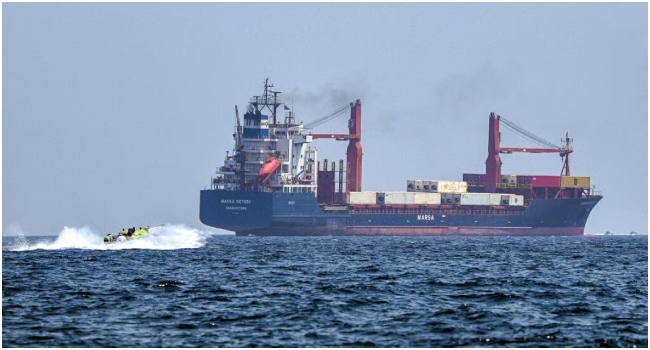
Iran and Oman have opened negotiations on a temporary shipping corridor through the Strait of Hormuz, as efforts intensify to restore safe navigation through the vital waterway amid the ongoing Middle East war.
The two countries are discussing both the creation of a temporary maritime route and the clearance of mines in the strait, but no final agreement has been reached on the conditions for reopening the passage. The negotiations come as the conflict approaches its six-month mark.
Oman has taken a central role because it shares control of the strategically important waterway with Iran and has maintained diplomatic links with Tehran and Washington. A US-Iran memorandum of understanding signed in June provided for the reopening of the strait and tasked Iran and Oman with working out arrangements for maritime administration and services, alongside other Gulf states and in line with international law.
Signs of progress emerged after the Iranian and Omani foreign ministers met in Tehran on Tuesday. A joint statement said the sides had discussed a framework for a “temporary corridor” and plans to clear mines from the waterway. Omani Foreign Minister Badr Albusaidi later said he hoped practical measures to restore safe navigation would be announced soon.
Iranian Deputy Foreign Minister Kazem Gharibabadi said the proposed route could allow vessels entering the Gulf to pass through Iranian waters, while ships leaving would use Omani and then Iranian waters. He said Tehran and Muscat could have between 30 and 60 days to develop a permanent route if the temporary arrangement is approved.
However, the negotiations remain complicated by the wider conflict. Iran has linked the full reopening of the Strait of Hormuz to US concessions, including an end to the war, the lifting of the blockade on Iranian ports and a resolution to the situation in Yemen. Tehran is also seeking sanctions relief, compensation for war damage and security guarantees.
Oman is taking a different approach, seeking to separate freedom of navigation from the wider dispute between Iran and the United States. Omani researcher Abdallah Baaboud told AFP that the negotiations involve difficult questions over sovereignty, jurisdiction, vessel control and fees, describing them as part of a broader post-war security arrangement for the strait.
Washington has yet to respond publicly to the latest Iran-Oman statement. US President Donald Trump has repeatedly claimed that the Strait of Hormuz is under US control, while Tehran rejects that position. The competing claims have placed Oman in a delicate position as it tries to preserve its role as a mediator without damaging its strategic relationship with Washington.
For now, the proposed corridor offers a possible path towards restoring shipping through one of the world’s most important energy routes. But with Iran, Oman and the United States holding different views over control and security, a lasting reopening of the Strait of Hormuz remains far from settled.