Now Reading: Borgu Under Siege: Villages Deserted as Attacks, Abductions Force Residents to Flee Niger Communities
-
01
Borgu Under Siege: Villages Deserted as Attacks, Abductions Force Residents to Flee Niger Communities
Borgu Under Siege: Villages Deserted as Attacks, Abductions Force Residents to Flee Niger Communities

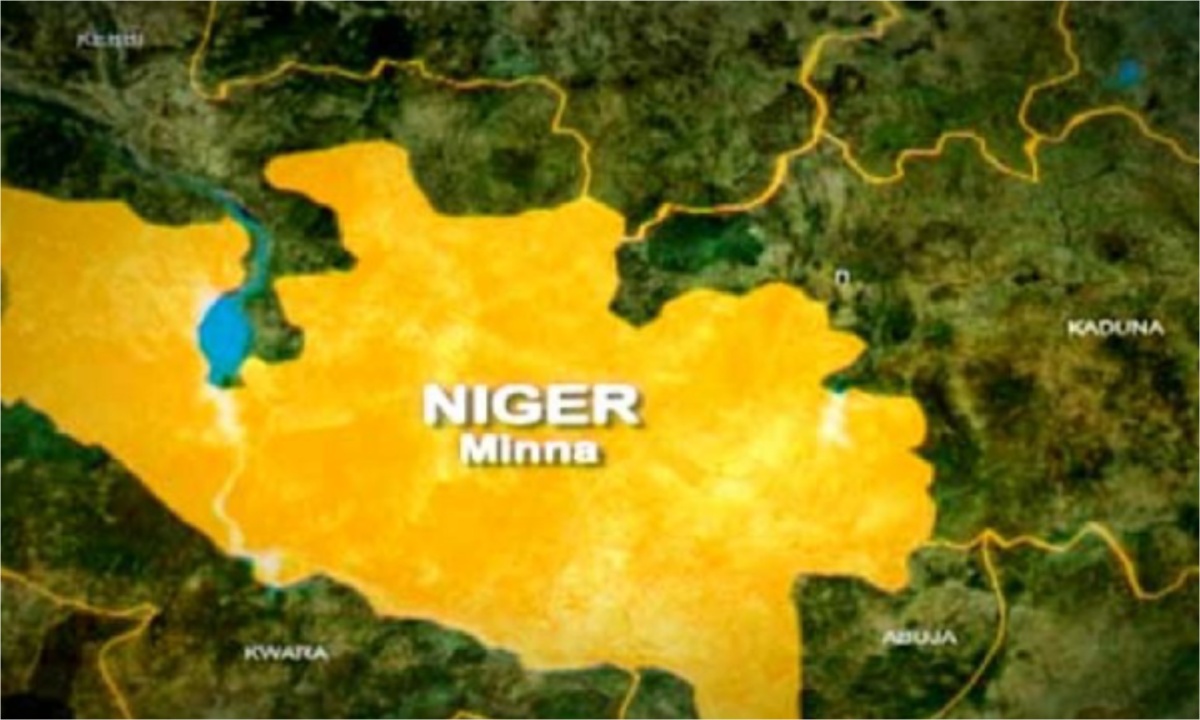
Communities in Borgu Local Government Area of Niger State are being emptied as repeated attacks by armed men force residents from their homes, farms and businesses, with some fleeing across the border into neighbouring Benin Republic.
The latest security crisis followed the abduction of Muslim worshippers during Jumu’at prayers on August 21, when suspected terrorists invaded Dekara, Gidan-Zana and Kpenya communities. The number of people taken remains unclear, with police saying difficult terrain and the wide spread of the affected communities have made it difficult to establish an exact figure.
Different figures have emerged since the attack. Prince Murtala Haliru Dantoro, son of the late Emir of Borgu, Senator Haliru Dantoro Kitoro III, said information from affected communities suggested that as many as 500 people could have been abducted, although he stressed that the figure had not been confirmed and could be lower.
A video circulated after the attack appeared to show a large group of women, children and elderly people being held in a forested location. Some residents identified people seen in the footage as their relatives. The uncertainty has deepened the anguish of families who have been unable to establish contact with loved ones.
Telecommunications infrastructure serving parts of the affected area was reportedly destroyed by bandits, further complicating efforts to reach residents. One resident, Alhassan, said people were living in fear and could no longer travel freely to their communities. “We can’t sleep well, we can’t travel home. It is like there is no government protection leaving people,” he said.
The August attack is part of a wider pattern of violence in Borgu and neighbouring Agwara. On January 3, gunmen attacked Kasuwan-Daji village, killing at least 30 people and abducting others. Coordinated attacks on Tunga-Makeri, Konkoso and Pissa communities in February reportedly killed at least 32 people, while another attack in March was said by Amnesty International to have claimed at least 15 lives.
The repeated violence has triggered significant displacement, with thousands of residents reportedly fleeing parts of Borgu and Agwara earlier in the year. Some crossed into Benin Republic, while others moved to safer communities such as Babana. Residents say they are reluctant to return without a lasting security solution, fearing that temporary deployments will be withdrawn only for attackers to return.
The killing of Galla village head, Alhaji Ahmed Yusuf, has added to the tension. The retired military officer was killed in his palace days after the worshippers were abducted. Governor Mohammed Umaru Bago condemned the killing and urged security agencies to identify and prosecute those responsible.
The Christian Association of Nigeria, Niger State chapter, has called for a permanent security presence across Borgu and Agwara. Its chairman, Most Rev. Dr. Bulus Dauwa Yohanna, said sustained protection was necessary for rural communities to live without constant fear of abduction, while CAN also mobilised Christians to pray for the safe return of those taken.
The Niger State Police Command has acknowledged the operational difficulties in the area. Commissioner of Police Adamu Abdullahi Elleman said the state covers about 76,000 square kilometres, with vast forests, scattered settlements and challenging terrain. He identified Niger North, which includes Borgu and Agwara, as the command’s most difficult operational zone and cited shortages of personnel, mobility, logistics and modern surveillance equipment.
Following the August 21 attack, tactical teams, Police Mobile Force personnel and other security operatives were deployed to the affected communities. IGP Olatunji Rilwan Disu also deployed AIG Victor Olaiya of Zone 7, Abuja, alongside a tactical team to strengthen the operation.
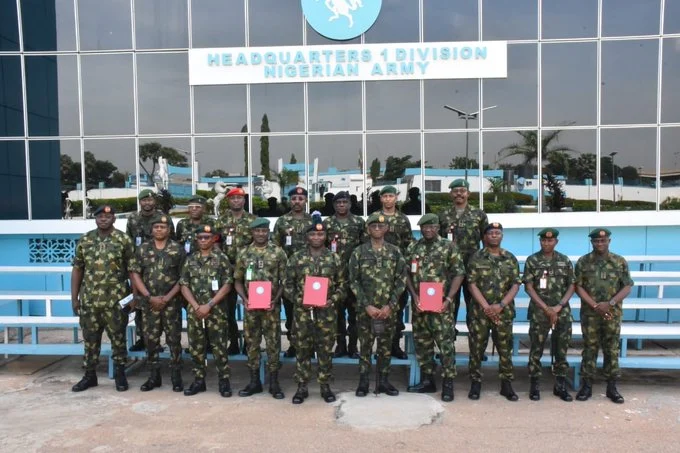
Disu said the police, Army, intelligence agencies and other security organisations were working together to rescue the abducted worshippers. He urged residents to see the police as their protectors and encouraged stronger cooperation between security agencies, traditional rulers, religious leaders and local communities.
For residents, however, rescue alone is not enough. Dantoro said authorities must provide sustained security capable of preventing fresh attacks and allow displaced families to safely return to their homes, farms and businesses.
“Before, you could travel to Borgu at midnight. Now, you cannot travel to Borgu during the day or at night,” he said, stressing that communities wanted protection before attacks occurred, not only rescue operations afterwards.
As security forces continue their efforts, many residents remain displaced and uncertain about when they can safely return. Their immediate hope is that the abducted worshippers will be brought home, but their larger demand is for lasting security that will allow Borgu communities to live, farm and travel without fear.