Now Reading: 2027: Opposition Consensus Plan Faces Major Test as Key Figures Skip G100 Summit
-
01
2027: Opposition Consensus Plan Faces Major Test as Key Figures Skip G100 Summit
2027: Opposition Consensus Plan Faces Major Test as Key Figures Skip G100 Summit

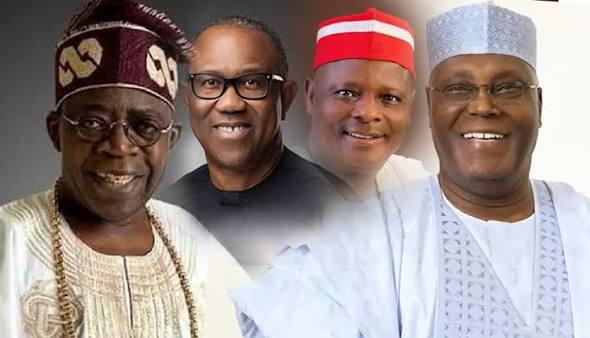
Nigeria’s opposition parties have opened talks on the possibility of backing a consensus presidential candidate for the 2027 general elections, but the absence of several major political figures has already raised questions about the viability of the plan.
The discussions took place at the Yar’Adua Centre in Abuja under the auspices of G100, a political initiative led by former Director-General of the Progressive Governors’ Forum, Dr Salihu Lukman.
The summit brought together representatives of six opposition parties — the African Democratic Congress (ADC), Allied Peoples Movement (APM), National Democratic Congress (NDC), Peoples Democratic Party (PDP), Peoples Redemption Party (PRP) and Social Democratic Party (SDP).
With the theme, “A Framework for Opposition Cooperation and Coordination,” the meeting sought to create a structured platform through which the parties could cooperate ahead of 2027 without necessarily abandoning their individual identities and political structures.
Among those present were SDP presidential candidate Prince Adewole Adebayo and his running mate, Dr Usman Bugaje; PRP presidential candidate Donald Duke; Democratic Leadership Alliance candidate Moses Adebisi; and APM vice-presidential candidate Lawal Daura.
G100 Proposes Four-Year Transition Government
One of the major proposals presented at the summit was the establishment of a Government of National Competence based on a single four-year transition term for participating opposition parties.
Lukman said the proposed arrangement would be built around competence, integrity, national inclusion and fair representation among the parties involved.
He also called for the agreement to be backed by an enforceable Transition Charter that would commit the parties to the proposed four-year term.
“We want to underline the word ‘enforceable.’ This gathering does not need more sincerity. Nigerian politics has never suffered from a shortage of sincere promises,” Lukman said.
He argued that previous political agreements had often failed because there were no mechanisms to compel politicians to honour their commitments when circumstances changed.
Lukman cited Nigeria’s electoral history, noting that opposition parties contested separately in 2003, 2007 and 2011 but eventually united ahead of the 2015 election, when they defeated the then ruling Peoples Democratic Party.
He also pointed to the 2023 election, when opposition candidates collectively secured more votes than President Bola Tinubu but split their support across different platforms.
Tinubu won the 2023 presidential election with 8,794,726 votes, while Atiku Abubakar, Peter Obi and Rabiu Kwankwaso secured 6,984,520, 6,101,533 and 1,496,687 votes respectively.
Lukman argued that the figures demonstrated the potential strength of a united opposition.
No Party Asked to Dissolve
Lukman stressed that the G100 initiative was not asking any political party to dissolve or any presidential candidate to withdraw from the race.
“It is not asking any party to dissolve. It is not asking any party to disappear into another party. It is not asking any candidate to stand down,” he said.
He also insisted that the summit was not designed to endorse any particular candidate or political party.
The initiative received support from the Minority Caucus of the House of Representatives, which pledged to work with G100 to strengthen opposition cooperation and provide Nigerians with a credible alternative to the ruling All Progressives Congress (APC).
Minority Leader Fred Agbedi said the engagement between the caucus and G100 had produced an agreement to collaborate more closely in strengthening Nigeria’s democracy.
He urged opposition parties, leaders and presidential aspirants to put personal ambitions aside and negotiate a common political arrangement capable of mounting a serious challenge to the APC.
Can the Opposition Overcome Personal Ambitions?
The proposed alliance has received support from some opposition figures, although doubts remain over whether the parties can overcome individual ambitions and longstanding political differences.
SDP presidential candidate Adewole Adebayo described the arrangement as achievable but warned that the process for selecting a common candidate must be transparent.
He urged opposition leaders to negotiate sincerely and learn from the mistakes of previous political eras, arguing that personal ambitions should not take precedence over the search for a candidate capable of winning the 2027 election.
The challenge, however, is illustrated by the absence of some of the opposition’s biggest names from the G100 summit.
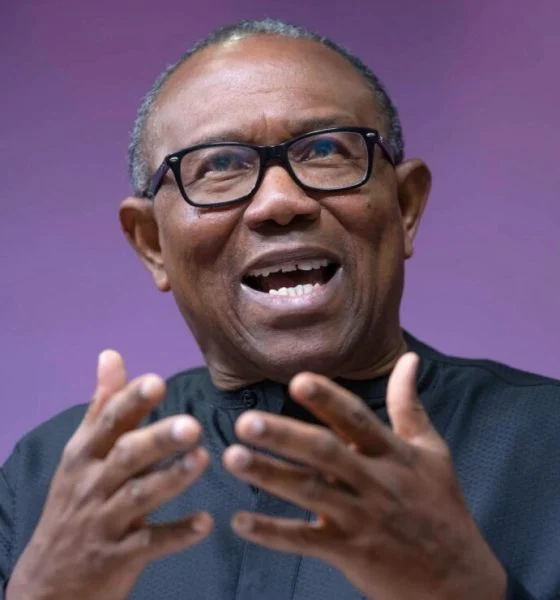
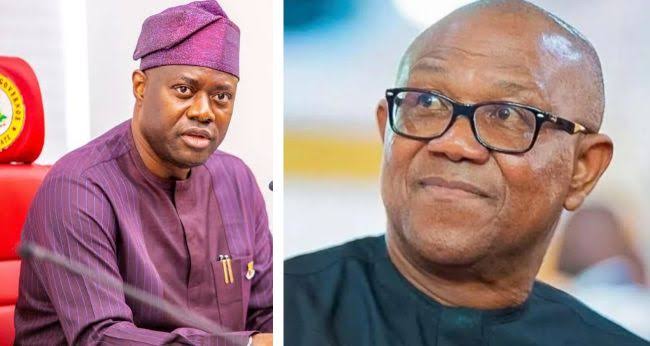
Atiku Abubakar, Peter Obi, Rabiu Kwankwaso, Rotimi Amaechi and Oyo State Governor Seyi Makinde were among prominent figures not present at the meeting.
The National Chairman of the NDC, Senator Moses Cleopas, was also absent, while the party’s National Leader, Senator Seriake Dickson, arrived later.
ADC spokesman Bola Abdullahi defended Atiku’s absence, saying the summit was focused primarily on cooperation among political parties rather than individual presidential candidates.
But SDP National Chairman Sadiq Gombe described the absence of key figures as a bad omen, questioning how a credible consensus could emerge without major political actors at the table.
He also expressed doubt over whether presidential candidates would ultimately be willing to abandon their individual ambitions or agree to contest on a single platform.
APC Dismisses Opposition Alliance
The ruling APC has dismissed the proposed opposition coalition, describing it as an effort that is unlikely to succeed.
APC National Chairman Professor Nentawe Yilwatda described the consensus arrangement as “dead on arrival” and argued that the opposition parties were driven by personal interests rather than a common national objective.
He also questioned why the parties were only now attempting to unite ahead of the 2027 election.
Minister of Aviation and Aerospace Development Festus Keyamo similarly described the opposition coalition effort as a “journey to nowhere.”
Despite the criticism, the G100 summit has reopened a major political debate ahead of 2027: whether Nigeria’s opposition parties can put aside their differences and individual ambitions long enough to produce a credible common challenger to the APC.
The success of the 2013–2015 opposition coalition that produced the APC showed that political parties could surrender significant ground for a broader electoral objective. But the current opposition faces the difficult task of achieving cooperation without necessarily dissolving the identities and ambitions that keep the parties apart.