Now Reading: Why Brazil Speaks First at UN General Assembly — 5 Things to Know
-
01
Why Brazil Speaks First at UN General Assembly — 5 Things to Know

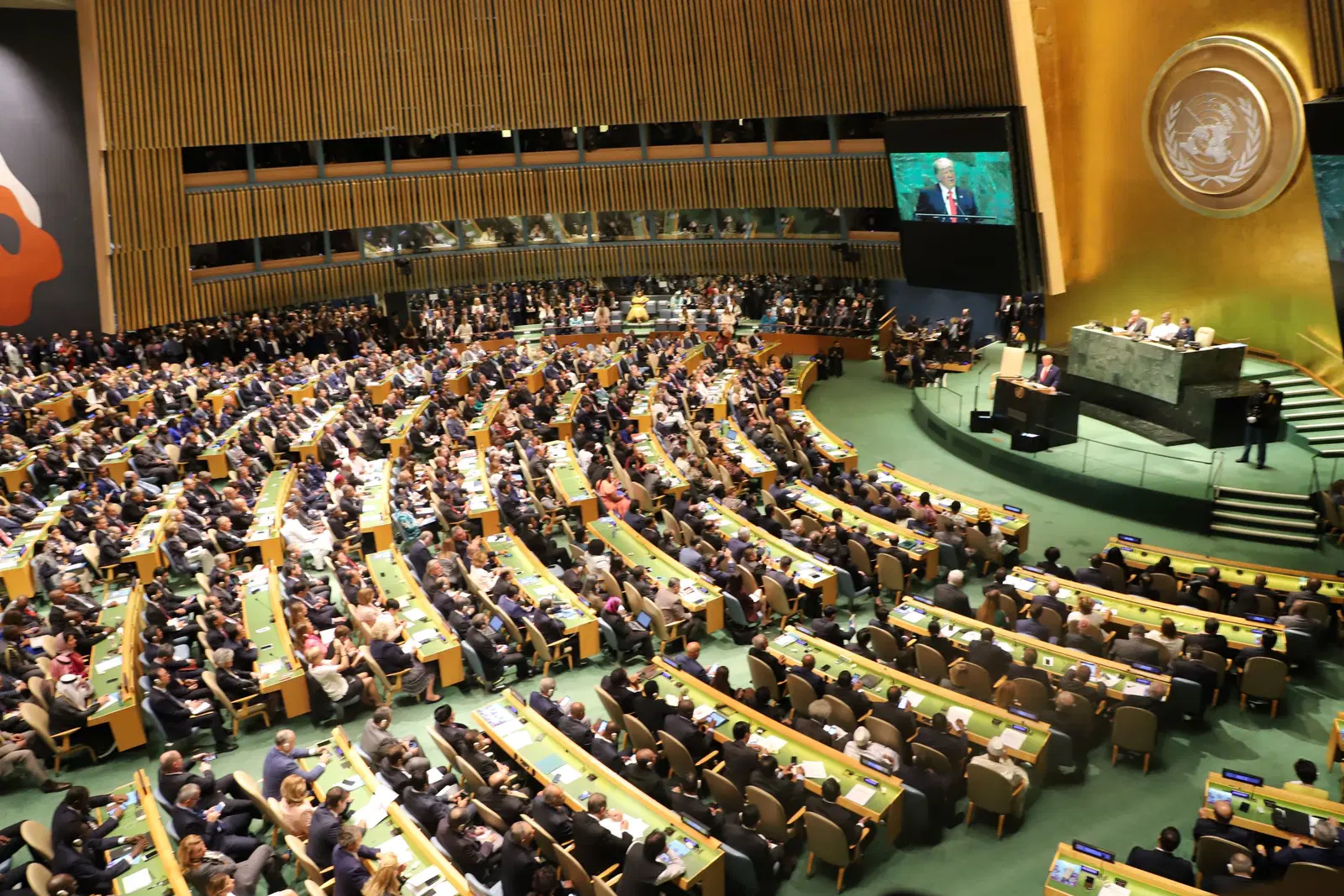
Every year, world leaders gather in New York for the United Nations General Assembly to discuss major global issues, from peace and security to development and international cooperation.
This year’s high-level General Debate begins on Tuesday, September 22, with representatives of the 193 UN member states expected to address the international community.
One long-standing feature of the event is Brazil’s position as the first country to speak during the General Debate.
Here are five things to know about the tradition.
1. Why does Brazil speak first?
Brazil has delivered the opening speech at the General Debate since 1947, a tradition that developed during the early years of the United Nations.
According to the UN, countries were initially reluctant to volunteer to speak first. Brazil repeatedly accepted the role, eventually establishing the practice that continues today.
The United States, as the host country, traditionally speaks second.
2. Is Brazil required to speak first?
No. There is no formal UN rule requiring Brazil to open the General Debate.
Instead, its position is based on a long-established diplomatic tradition that has continued over the decades.
3. How is the speaking order decided?
After Brazil and the United States, the speaking order is determined using several factors.
Heads of state generally speak before heads of government, followed by other government representatives, including foreign ministers.
The UN also considers factors such as geographical balance, the order in which requests to speak were received and other diplomatic considerations when arranging the schedule.
4. How long can world leaders speak?
Speakers are generally asked to limit their statements to 15 minutes.
However, the time limit is not always strictly observed, and some speakers have gone considerably beyond the recommended duration.
5. Why is Brazil’s opening speech significant?
The General Debate gives countries an opportunity to present their priorities and address the international community on issues of importance to their governments.
With all 193 UN member states represented, Brazil’s traditional opening position places its address at the beginning of one of the world’s largest annual diplomatic gatherings.
The tradition has therefore become one of the familiar features of the UN General Assembly, even though it is not based on a formal rule requiring Brazil to speak first.