Now Reading: Electricity Subsidy May Hit N2tn as FG Rules Out Immediate Tariff Increase
-
01
Electricity Subsidy May Hit N2tn as FG Rules Out Immediate Tariff Increase
Electricity Subsidy May Hit N2tn as FG Rules Out Immediate Tariff Increase

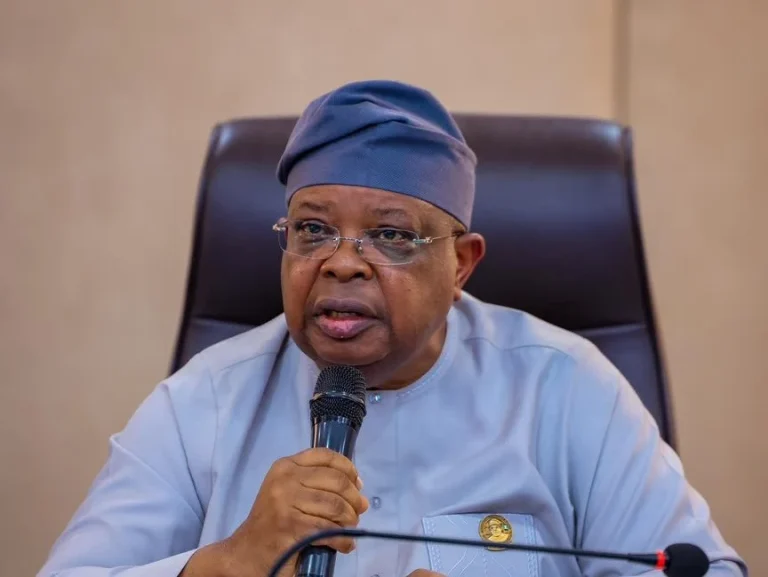
The Federal Government may spend about N2 trillion on electricity subsidies in 2026 as it maintains its position against an immediate increase in electricity tariffs.
Minister of Power Joseph Tegbe disclosed the government’s position on Monday at a media briefing in Abuja to mark his first 100 days in office.
Tegbe said the government was focused on improving the commercial viability of the power sector while shielding vulnerable electricity consumers from higher tariffs.
“There are no immediate plans to increase electricity tariffs. Our goal is to build a commercially viable power sector while protecting vulnerable consumers,” the minister said.
The government’s position comes after it incurred N1.93 trillion in electricity subsidy obligations in 2025, according to the Nigerian Electricity Regulatory Commission (NERC) 2025 Annual Report.
NERC said the subsidy represented 57.44 per cent of the total Nigerian Bulk Electricity Trading (NBET) invoice for the year, averaging N160.69 billion monthly.
The commission explained that the subsidy arose because allowed electricity tariffs remained below cost-reflective levels, leaving the Federal Government to cover the difference.
“In the absence of cost-reflective tariffs, the government undertakes to cover the resultant gap between the cost-reflective and allowed tariff in the form of tariff subsidies,” NERC said in its report.
With the government ruling out an immediate tariff increase, the subsidy burden could remain around the N2 trillion mark in 2026.
The burden has remained substantial despite the Band A to E tariff categorisation introduced in 2024. While Band A customers pay cost-reflective tariffs, consumers on other bands continue to receive government support.
The subsidy issue has also drawn concern from electricity generation companies, which have questioned whether the Federal Government’s N4 trillion Presidential Power Sector Debt Reduction Programme will adequately address the industry’s liquidity problems.
The Association of Power Generation Companies (APGC) warned that fresh liabilities could accumulate even after the existing debts are addressed.
APGC Chief Executive Joy Ogaji said generation companies were not opposed to the government raising bonds to settle outstanding obligations but argued that debts would continue to accumulate if the underlying payment problems remained unresolved.
She also called for a more clearly defined subsidy framework, including a specific level of government support backed by budgetary provisions.
According to Ogaji, the current subsidy arrangement lacks adequate budgetary backing and could continue to contribute to mounting debts across the electricity value chain.
Speaking on the sector, Tegbe said his first 100 days in office, covering June 8 to September 16, had focused on identifying challenges across the electricity value chain, stabilising infrastructure and restoring market discipline.
The minister identified gas supply constraints, damaged pipelines, ageing generation equipment, deferred maintenance and stalled projects among the problems limiting electricity generation.
He also said poor payment discipline was putting additional pressure on the sector, noting that generation companies were receiving only about 27 per cent of their bills.
“When President Bola Tinubu entrusted me with the responsibility of serving as Minister of Power, I made four promises to Nigerians. I promised a disciplined approach to solving the sector’s problems. I promised to pursue grid stability through structured, strategic reforms. I promised visible incremental improvements,” Tegbe said.
He added that transmission infrastructure was also facing pressure from vandalised towers and lines, overstretched equipment and frequent system trips.
NERC said the existing subsidy framework was partly designed to prevent unpaid subsidy debts from accumulating on the balance sheets of electricity distribution companies, which could limit their ability to secure financing for network investments.
For 2026, the government’s decision to maintain existing tariffs means it will continue to cover a significant portion of the gap between electricity costs and allowed tariffs while pursuing reforms aimed at improving revenue collection, infrastructure, gas supply and service delivery.