
Now Reading: Nigeria Records 10 Military Aircraft Crashes Since 2021, At Least 68 Deaths
-
01
Nigeria Records 10 Military Aircraft Crashes Since 2021, At Least 68 Deaths
Nigeria Records 10 Military Aircraft Crashes Since 2021, At Least 68 Deaths

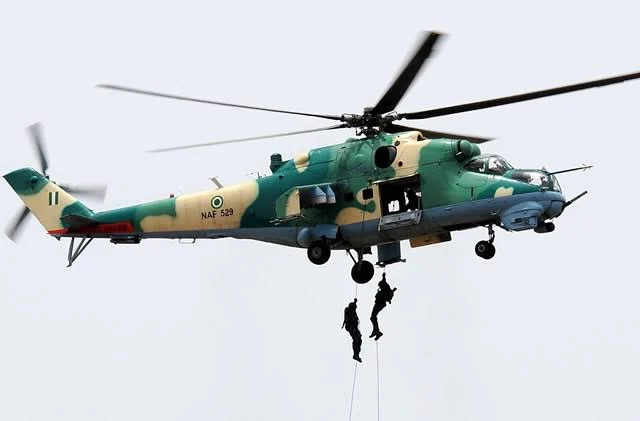
Nigeria has recorded at least 10 military aircraft crashes since 2021, with at least 68 confirmed and presumed deaths, an analysis of military aviation incidents has shown.
The crashes have involved fighter jets, helicopters, training aircraft, transport planes and unmanned aerial vehicles. The incidents occurred during combat operations, training exercises, routine missions, casualty evacuation and post-maintenance checks.
The latest accident occurred on Monday when a Nigerian Air Force ATR-42 aircraft, registration number NAF 931, crashed in the Igbokoda area of Ilaje Local Government Area, Ondo State.
The aircraft was operating a routine mission from Benin City, Edo State, to Lagos when air traffic controllers lost contact with it at about 9:13am.
The Nigerian Air Force later confirmed that all 25 people on board, comprising 20 passengers and five crew members, died in the crash.
The latest tragedy has renewed concerns about the safety of Nigeria’s military aviation fleet, following a series of aircraft accidents involving the Air Force in recent years.
Aviation stakeholders have subsequently called for a broader review of military aviation safety systems, including aircraft maintenance, airworthiness standards, operational procedures, safety oversight and accident investigation.
Aviation analyst and member of the Aviation Round Table, Olumide Ohunayo, said the frequency of military aircraft accidents should prompt the Air Force to urgently reassess its safety systems.
Ohunayo acknowledged that estimates of military aviation accidents over a longer period vary, but said even the lower figures point to a serious concern.
He argued that the continued loss of military personnel and public assets should not be treated as an issue for the military alone, urging greater cooperation between the Air Force and civilian aviation institutions.
Ohunayo specifically called for stronger collaboration between the Nigerian Air Force, the Nigerian Civil Aviation Authority and the Nigerian Safety Investigation Bureau.
He said such cooperation could help identify weaknesses in operational and safety systems while bringing additional technical expertise into investigations and preventive measures.
The aviation analyst also urged the Air Force to review its operational manuals, procedures and processes, arguing that military aviation should not be completely separated from wider aviation safety standards.
He said the recurring accidents were affecting personnel, public assets and confidence in military aviation operations, adding that the situation required an honest assessment of existing safety practices.
Ohunayo further called for regulators, accident investigators and other aviation professionals to be involved in efforts to reduce the frequency of military aircraft accidents and fatalities.
The latest crash is therefore expected to intensify scrutiny of Nigeria’s military aviation safety framework, particularly the condition of aircraft, maintenance practices, operational procedures and the systems used to investigate and prevent future accidents.