Now Reading: China Condemns US Ban on DeepSeek AI Tools in Federal Agencies
-
01
China Condemns US Ban on DeepSeek AI Tools in Federal Agencies

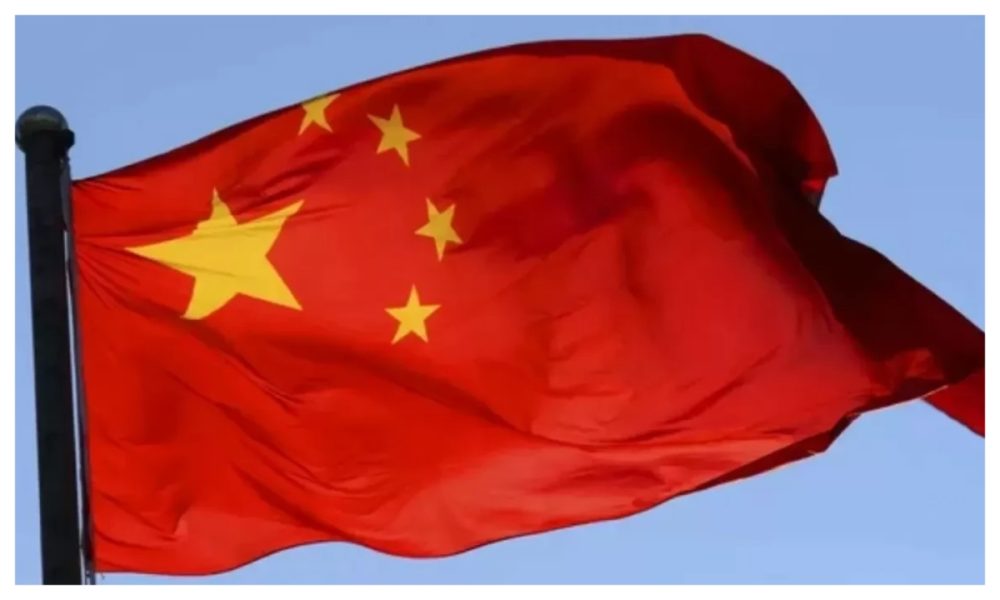
China has criticised a United States government decision to bar federal civilian agencies from using artificial intelligence tools developed by Chinese startup DeepSeek, accusing Washington of overstretching national security concerns.
Beijing voiced its objection on Tuesday, arguing that the restrictions reflected an excessive use of national security justifications in matters involving technology, science and trade.
Chinese Foreign Ministry spokesperson Mao Ning made the remarks during a news conference, saying China opposed the use of national security arguments to restrict legitimate commercial and technological activities.
“China has consistently opposed the overstretching of the concept of national security and the politicisation of issues related to science, technology, and trade,” Mao said.
The dispute follows a directive issued by the US Department of Homeland Security on Monday, instructing civilian federal agencies to stop using DeepSeek products, including third-party tools built on the company’s technology.
The department warned that the software could expose sensitive government information to China if used by federal employees or contractors. It also called for the tools to be removed from government information technology devices.
“DeepSeek’s models present multiple threat vectors,” the department said.
US officials have also raised concerns about the location of DeepSeek’s servers in China and the potential access Chinese authorities could have to private companies’ infrastructure under the country’s legal framework.
The restrictions described in the directive apply to civilian government agencies and do not cover the US military or intelligence agencies, according to the supplied report.
The latest disagreement comes amid intensifying competition between Washington and Beijing for leadership in artificial intelligence. Both countries have raised concerns about technology security, access to sensitive information and alleged intellectual property theft.
China’s foreign ministry said Beijing would defend the interests of Chinese businesses as restrictions on Chinese technology continue to feature in relations between the two powers.
The dispute highlights the growing challenge governments face in balancing the adoption of powerful AI tools with concerns about data security, national interests and international technology competition.