Now Reading: BUA Chairman Rabiu Urges Nigeria to Build 100 More Major Industrial Companies
-
01
BUA Chairman Rabiu Urges Nigeria to Build 100 More Major Industrial Companies
BUA Chairman Rabiu Urges Nigeria to Build 100 More Major Industrial Companies

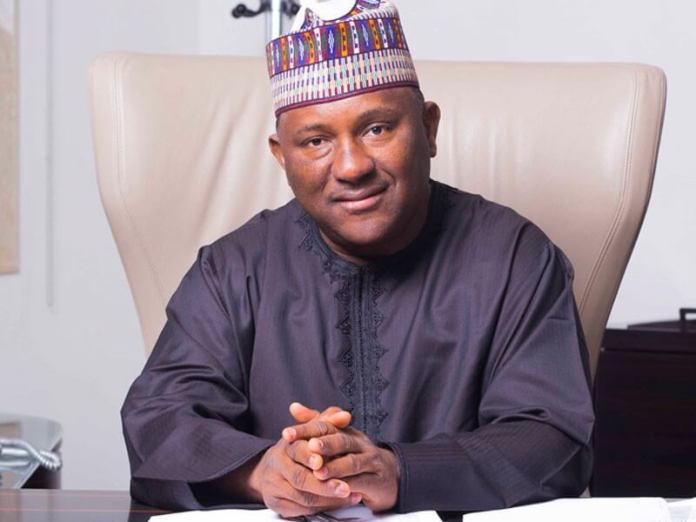
BUA Group founder and chairman Abdul Samad Rabiu has urged Nigeria to reduce its reliance on imported finished goods and strengthen domestic manufacturing to drive economic growth, create jobs and improve living standards.
Rabiu made the call at the 32nd Nigerian Economic Summit in Abuja, where he stressed the need for the country to move beyond exporting raw materials and invest in processing them into finished products for local markets and international trade.
He said expanding industrial production would help Nigeria retain more economic value within its borders while creating employment opportunities and supporting farmers, small businesses and other participants in the local supply chain.
The industrialist also called for the establishment of at least 100 additional major industrial companies across key sectors, including manufacturing, agriculture, mining and technology. He said a stronger industrial base would help diversify the economy and reduce dependence on imported products.

Using the cement industry as an example, Rabiu highlighted how investment in domestic production had helped Nigeria move away from reliance on imported cement towards meeting local demand and exporting the product. He presented the sector as an illustration of the potential of sustained investment in local industries.
Rabiu said achieving similar progress across other sectors would require affordable, long-term financing for businesses, consistent government policies and improved infrastructure. He emphasised that industries needed a supportive environment to invest, expand production and compete effectively.
He added that Nigeria’s economic reforms should deliver tangible benefits beyond policy changes, including increased domestic production, more employment opportunities and improved household welfare.
Rabiu’s remarks underscore the need to connect economic reforms with industrial expansion, arguing that stronger local production could help Nigeria create more jobs, support businesses and retain a greater share of the value generated from its natural and human resources.