Now Reading: 2027 Elections: Monica Maduekwe Challenges Presidential Aspirants Over Fuel Subsidy Promises
-
01
2027 Elections: Monica Maduekwe Challenges Presidential Aspirants Over Fuel Subsidy Promises
2027 Elections: Monica Maduekwe Challenges Presidential Aspirants Over Fuel Subsidy Promises


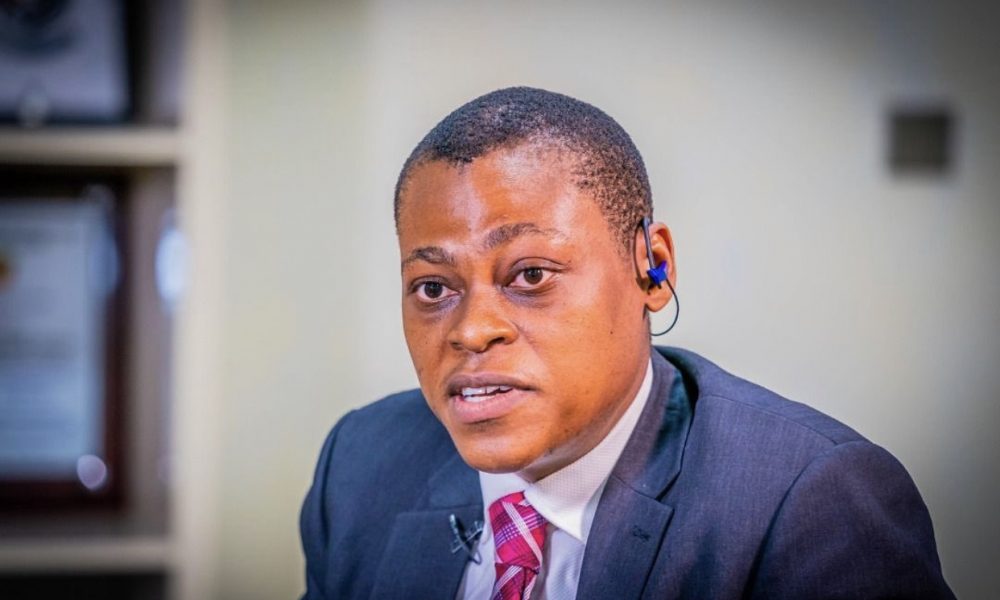
Energy expert and founder of Puttru, Monica Maduekwe, has challenged Nigerian presidential aspirants to present practical economic solutions ahead of the 2027 elections, warning that promises on fuel subsidies alone will not address the country’s deeper financial problems.
In her latest essay titled ‘2027 Elections and the Band-Aid Called Fuel Subsidy’, Maduekwe argued that Nigeria’s repeated debate over fuel subsidies reflects years of failure to restructure the economy and reduce its dependence on unpredictable revenue from crude oil and other commodities.
She challenged presidential candidates to consider a fundamental question: If Nigeria’s creditors and existing debt obligations were not constraints, would they retain or remove fuel subsidies, and what would inform that decision?
Maduekwe said the explanations candidates provide would give Nigerians a better opportunity to assess their understanding of the economy, policy priorities and long-term plans for the country.
She maintained that effective economic leadership must combine immediate protection for households with investment in competitive local refining capacity and a long-term plan to expand Nigeria’s industrial and export-oriented sectors.
The energy expert noted that oil remains a major contributor to Nigeria’s export earnings and government revenue, although its share of government income has declined compared with previous decades. She also identified debt servicing as a major burden on public finances.
She said: “Oil continues to account for a significant share of Nigeria’s export earnings and government revenue, although its contribution to the latter has declined compared with previous decades. Furthermore, debt servicing continues to consume a substantial share of government revenue. Consequently, the government’s fiscal capacity remains severely constrained by both debt obligations and developments in the global oil market. In simple terms, the economy is in poor shape and requires surgical precision to fix- not another sweet-sounding political promise.”
Maduekwe warned that Nigeria’s continued dependence on oil and other raw commodities, without a sufficiently diversified and competitive production base, would leave the country exposed to recurring financial pressures and economic shocks.
She argued that lasting reform must focus on expanding local production, developing industries that can compete internationally, creating productive jobs and reducing the country’s vulnerability to changes in global oil prices.
She concluded that without these structural changes, the fuel subsidy debate would remain a temporary response to deeper economic problems rather than a lasting solution.