Now Reading: FG Moves to Eliminate Noma in Nigeria, Promises Free Reconstructive Care for Affected Children
-
01
FG Moves to Eliminate Noma in Nigeria, Promises Free Reconstructive Care for Affected Children
FG Moves to Eliminate Noma in Nigeria, Promises Free Reconstructive Care for Affected Children

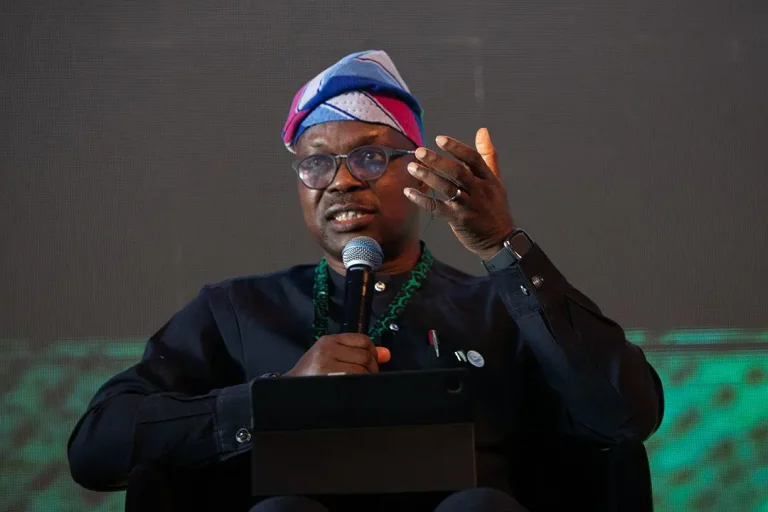
The Federal Government has pledged to eliminate Noma in Nigeria through expanded prevention, early detection and treatment programmes, assuring families that no child should be denied reconstructive surgery because of financial difficulties.
The Minister of State for Health and Social Welfare, Dr. Iziaq Salako, gave the assurance on Thursday in Sokoto during the biennial meeting and scientific conference of the Nigerian Association of Oral and Maxillofacial Surgeons (NAOMS).
Salako, represented by the Chief Medical Director of the Neuropsychiatric Hospital, Kware, Dr. Suleiman Baguda, said the government was committed to ensuring that Noma survivors received comprehensive medical care without families being forced to sell land or other property to finance treatment.
He described Noma as a disease associated with poverty, malnutrition, poor oral hygiene and weak healthcare systems. According to him, the condition can begin as a simple gum infection in malnourished children aged between two and six but rapidly destroy the lips, cheeks, nose and jaw within weeks.
The minister disclosed that about 90 per cent of children who develop acute Noma die without early treatment, while survivors often suffer severe facial deformities, psychological trauma and social stigma. He identified Sokoto, Kebbi, Zamfara, Borno and other northern states as areas significantly affected by the disease.
Salako recalled that the World Health Organisation recognised Noma as a Neglected Tropical Disease in December 2023, following sustained advocacy by Nigeria and other stakeholders, including NAOMS. He stressed that the country must move beyond awareness campaigns and translate its international recognition into concrete elimination efforts.
He said the Federal Government had strengthened the capacity of frontline healthcare workers and community health actors to recognise early symptoms, facilitate referrals and educate residents on preventive measures. He also disclosed that the National Oral Health Strategic Plan 2026–2030 had been launched to integrate oral healthcare into primary healthcare services and expand access to preventive treatment.
According to the minister, Noma services, including early detection, treatment and postoperative follow-up, would be incorporated into the Basic Health Care Provision Fund and National Health Insurance Authority benefit packages. Surveillance has also been strengthened through the inclusion of Noma in the Integrated Disease Surveillance and Response system and the District Health Information Software 2.
He added that plans were underway to establish a National Noma Registry and Research Centre to strengthen monitoring, research and treatment efforts across the country.
Salako described oral and maxillofacial surgeons as essential to the treatment and rehabilitation of survivors, particularly children requiring complex reconstructive procedures to restore facial structures and vital functions. He encouraged young specialists to take up Noma surgery despite its technical demands and limited financial incentives.
“Noma is not contagious. Noma is not a curse. Noma is preventable,” he declared, urging specialists to support affected children and communities.
The minister also challenged NAOMS to develop a National Clinical Practice Guideline for Noma Management before its next biennial conference to ensure standardised treatment across primary, secondary and tertiary healthcare facilities.
Earlier, NAOMS President, Professor Olalekan Micah Gbotolorun, urged members to strengthen their professional capacity and intensify efforts to combat the disease, describing it as rapidly progressive and devastating. He called on healthcare workers to prioritise early diagnosis, treatment and public education.
The Sokoto State Commissioner for Health, Dr. Faruk Umar Abubakar, represented by the Director of Medical Services, Dr. Adamu Abubakar, commended NAOMS for choosing the state to host the conference. He said the state government had adequately equipped the Noma hospital to improve treatment for affected patients.
The conference also featured a scientific lecture by Dr. Henry Leonhardt, a consultant oral and maxillofacial surgeon from Dresden University Clinic, Germany.