Now Reading: Ogun Seeks Stronger Collaboration to Improve Emergency Medical Response, Prevent Deaths
-
01
Ogun Seeks Stronger Collaboration to Improve Emergency Medical Response, Prevent Deaths
Ogun Seeks Stronger Collaboration to Improve Emergency Medical Response, Prevent Deaths

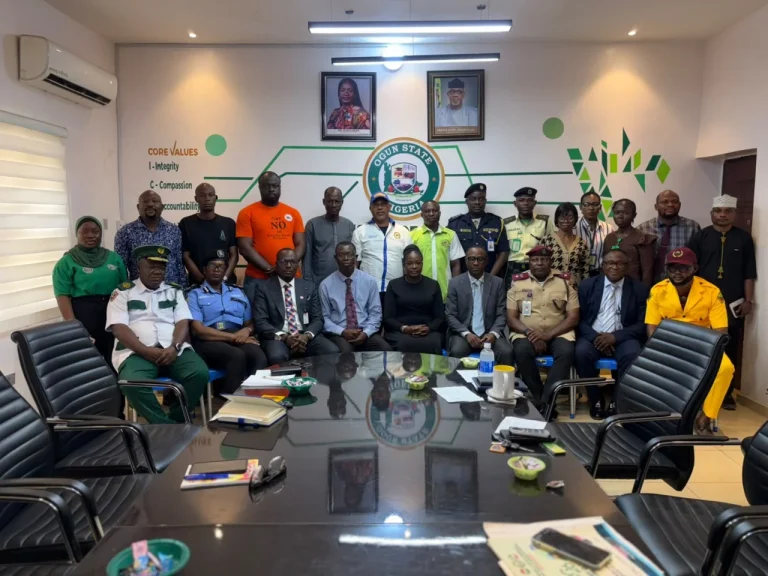
The Ogun State Government has called for stronger collaboration among emergency response agencies, healthcare providers, transport unions, the media and civil society groups to strengthen emergency medical services and prevent avoidable deaths.
The Commissioner for Health, Tomi Coker, made the appeal on Friday during the quarterly meeting of the Ogun State Emergency Medical Treatment Committee (OGSEMTC), organised by the Ogun State Ambulance and Emergency Services.
Coker said emergency response required collective responsibility, stressing that saving lives often depended on actions taken before victims reached hospitals. She identified road traffic officers, commercial drivers, journalists, transport operators and members of the public as critical first responders during accidents and other medical emergencies.
She described the meeting as an opportunity for stakeholders to improve coordination, communication and emergency response, noting that the system could not function effectively if left to the Ministry of Health alone.
“When a road traffic crash happens on the Lagos-Ibadan Expressway, the first person there is not a doctor. It is a commercial driver, a road traffic officer, a journalist, or a bystander,” she said.
The commissioner explained that the same situation applied to medical emergencies in communities, where neighbours, transport operators and community leaders were often the first people contacted. She warned that poor coordination could result in preventable deaths, sometimes within minutes of an emergency.
Reviewing the state’s progress, Coker said cooperation among relevant agencies had improved ambulance response along major roads in Ogun. She also highlighted stronger referral arrangements linking Primary Healthcare Centres with secondary and tertiary health facilities.
She further identified Ogun’s partnership with the National Emergency Medical Services and Ambulance System (NEMSAS), a Federal Government initiative, as an important step towards improving access to emergency treatment, particularly for vulnerable patients.
According to her, eligible emergency patients can benefit from free treatment during the first 48 hours, helping to ensure that financial difficulties do not prevent them from receiving urgent medical attention.
Coker also emphasised the importance of maintaining adequate blood supplies for emergency procedures, assuring stakeholders that the state was working to make blood available whenever and wherever it was needed.
“The need for a robust Blood Transfusion Service cannot be overemphasised when it comes to emergency services, and we are working to ensure blood is available when and where it is needed most,” she said.