Now Reading: African Climate Negotiators Accuse Fossil Fuel Advocates of Hypocrisy Over Secret Oil Deals
-
01
African Climate Negotiators Accuse Fossil Fuel Advocates of Hypocrisy Over Secret Oil Deals
African Climate Negotiators Accuse Fossil Fuel Advocates of Hypocrisy Over Secret Oil Deals

The African Group of Negotiators on Climate Change has accused countries calling for a complete phase-out of fossil fuels of hypocrisy, alleging that some are privately pursuing deals to secure petroleum supplies while publicly demanding an end to fossil fuel production and consumption.
The group raised the concern on Thursday, warning that the gap between countries’ public climate commitments and their private energy arrangements was weakening trust in international climate negotiations.
It also insisted that Africa’s transition away from fossil fuels must take the continent’s economic realities into account, protect workers and farmers, and give African countries room to process and use their natural resources. The negotiators warned against imposing additional development challenges on the continent in the name of climate action.
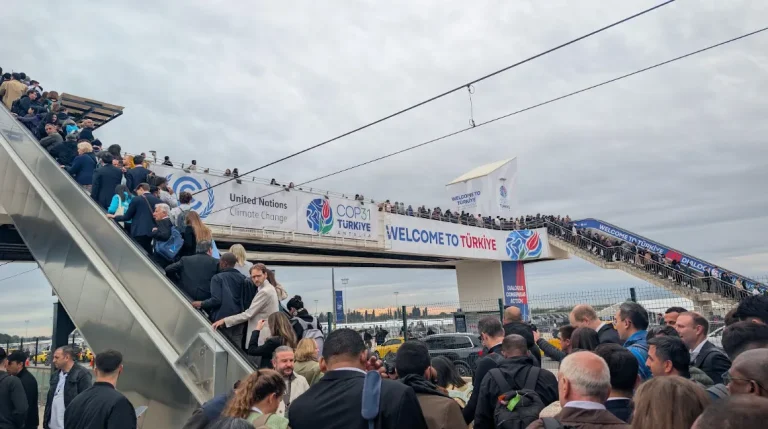
The position comes as negotiations at the 31st United Nations Climate Change Conference (COP31) in Antalya, Türkiye, approach their conclusion. Disagreements over fossil fuels, climate finance and the speed of the global energy transition remain key points of contention.
The debate intensified following reports of a trilateral declaration by China, the United States and Russia, issued on Thursday after a summit hosted by Chinese President Xi Jinping in Shenzhen. The meeting was attended by US President Donald Trump and Russian President Vladimir Putin.
The reported declaration included commitments to hold discussions on nuclear risks, increase petroleum supplies and pursue reforms of the United Nations. The proposed cooperation on oil supplies was linked to efforts to improve the availability of refined petroleum amid energy market pressures caused by the conflict involving Iran and disruptions around the Strait of Hormuz.
The development attracted criticism from the European Union’s Climate Chief, Wopke Hoekstra, who described it as unfortunate. He urged countries to invest in domestic clean energy to reduce their exposure to future energy supply disruptions.
Speaking at a press conference, the Chair of the African Group of Negotiators, Nana Dr Antwi-Boasiako Amoah, criticised what he described as inconsistencies in the positions of countries advocating an end to fossil fuels while seeking petroleum supplies through private arrangements.
Although he said he had no specific information about the reported deal involving China, the United States and Russia, Amoah argued that countries should remain consistent with their climate commitments rather than pursue different positions behind closed doors.
He said countries seeking to phase out fossil fuels should be transparent about their actions and avoid making private arrangements that contradict their public commitments.
Amoah added that Africa’s participation in COP31 was focused on protecting multilateralism, securing the resources needed to implement climate commitments and ensuring that the global energy transition was fair and credible.
He described multilateralism as essential to Africa’s participation in global decision-making, warning that any attempt to undermine the process would be unacceptable to the continent.