
Now Reading: Blood Moon 2026: NASA Announces Lunar Eclipse Visible Across Africa
-
01
Blood Moon 2026: NASA Announces Lunar Eclipse Visible Across Africa

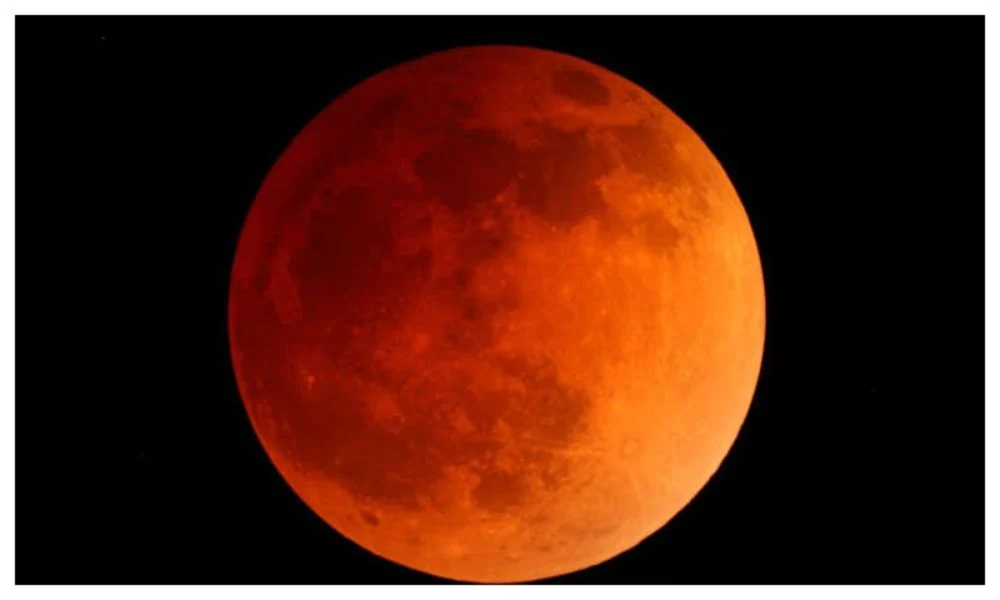
Skywatchers across Africa and other parts of the world are set to witness a striking lunar eclipse as the Moon passes through Earth’s shadow in an event widely known as a “blood moon”.
The National Aeronautics and Space Administration (NASA) said the eclipse will take place from August 27 into August 28, 2026, with Africa among the regions where the celestial event will be visible. The agency also listed parts of the Americas, Europe and Western Asia among the areas expected to experience the eclipse.
The eclipse will begin at 9:23pm Eastern Time on Thursday, when the Moon first enters the outer portion of Earth’s shadow. At this stage, the change may be subtle as the Moon begins moving into the penumbral shadow.
By 10:33pm ET, Earth’s darker shadow will begin covering the lunar surface, creating the appearance of a dark “bite” being taken out of the Moon. As the eclipse progresses, more of the lunar disk will be covered.
The event is expected to reach its peak at 12:12am ET, when more than 96 per cent of the Moon’s surface will be shrouded by Earth’s shadow. The reddish appearance associated with a blood moon occurs as sunlight passing through Earth’s atmosphere reaches the lunar surface.
The eclipse will gradually come to an end at 3:01am ET, when the Moon finally moves beyond the outer edge of Earth’s shadow. Visibility and the exact appearance of the eclipse will depend on the observer’s location and local weather conditions.
NASA confirmed the event on its website, describing the August 27–28 eclipse as “partial in Americas, Europe, Africa, Western Asia.” The announcement is expected to draw interest from astronomy enthusiasts and members of the public hoping to observe the rare night-sky spectacle.
For observers in Africa, the best viewing experience will depend on local timing and weather conditions, with clear skies providing the strongest chance of seeing the Moon change as it passes through Earth’s shadow.