Now Reading: El-Rufai’s Detention Sparks Debate Over APC’s Northern Prospects Ahead of 2027
-
01
El-Rufai’s Detention Sparks Debate Over APC’s Northern Prospects Ahead of 2027
El-Rufai’s Detention Sparks Debate Over APC’s Northern Prospects Ahead of 2027

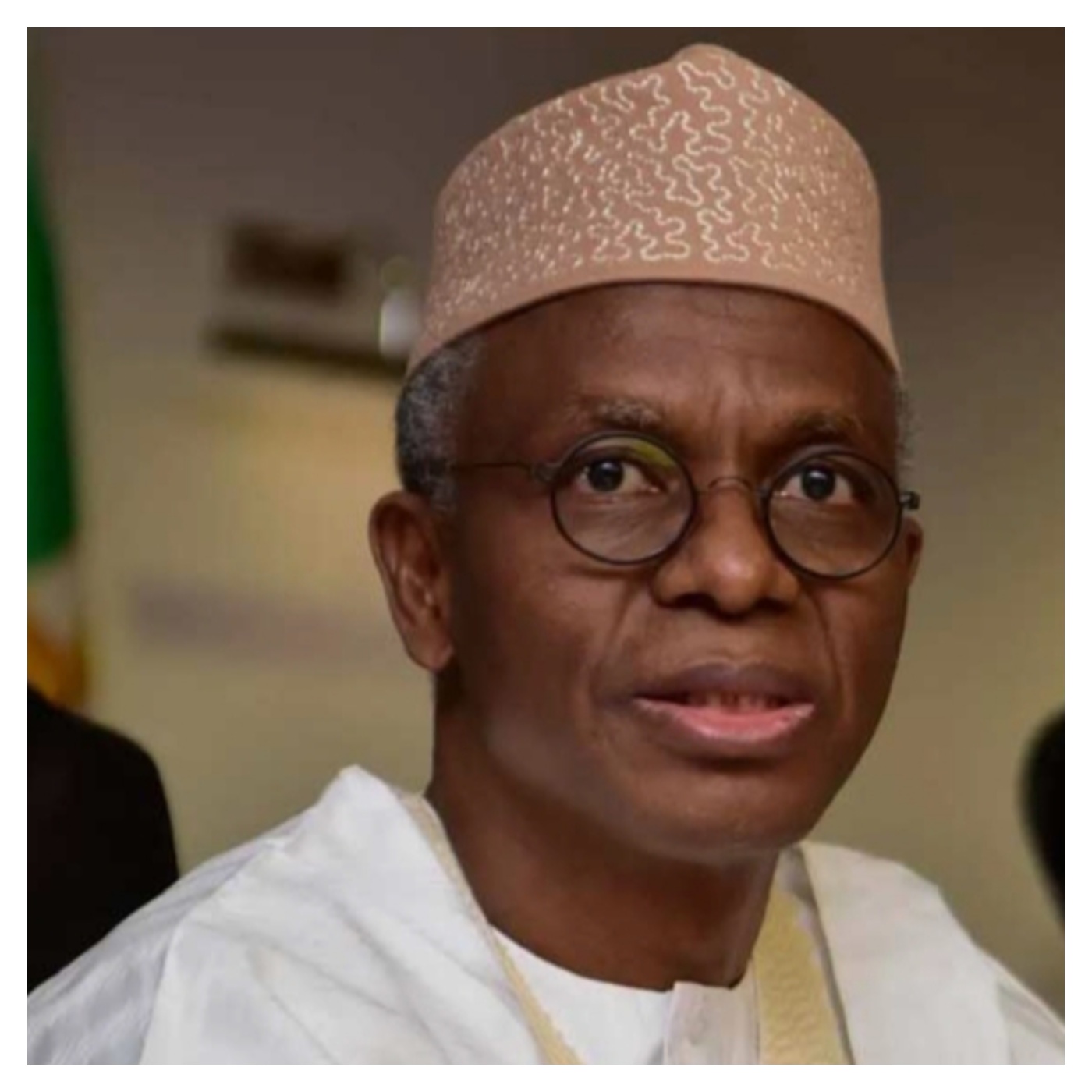
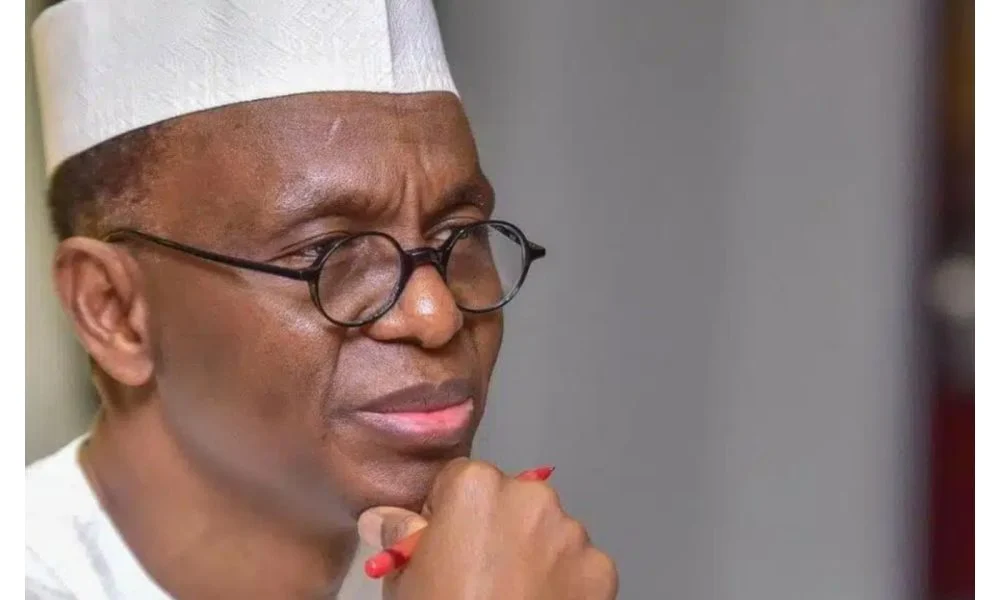
The continued detention of former Kaduna State Governor Nasir El-Rufai has triggered fresh debate over the possible political implications for the All Progressives Congress (APC) and the opposition ahead of the 2027 general elections.
El-Rufai has remained in the custody of the Independent Corrupt Practices and Other Related Offences Commission (ICPC) since February 2026, when he was taken into custody after initially reporting to the Economic and Financial Crimes Commission over allegations linked to his tenure as Kaduna governor.
The former governor was subsequently arraigned by the ICPC before the Federal High Court in Kaduna on 10 counts involving alleged abuse of office, money laundering and fraud. He pleaded not guilty to the charges, while the court ordered that he remain in custody pending proceedings on his bail application.
A Kaduna State High Court also refused a later bail application in June, ordering that El-Rufai remain in ICPC custody while his trial continues. The court, however, directed that he should have access to his medical team or any medical facility of his choice in Nigeria when necessary.
The prolonged detention has become politically contentious because of El-Rufai’s prominent role in Northern politics and his subsequent alignment with the opposition African Democratic Congress (ADC). Some analysts believe his absence could affect opposition organisation, while others argue that the case could generate sympathy if voters perceive the detention as politically motivated.
Political scientist Dr Kabiru Said Sufi said the electoral consequences would depend largely on how Nigerians interpret the case. He argued that public anger over the detention appeared to have declined and that the opposition had not sustained it as a major campaign issue.
Sufi said El-Rufai’s absence could provide an organisational advantage to the ruling party because of his reputation as a political strategist. However, he noted that the situation could produce a different outcome if public anger over the case resurfaces during the campaign.
Political commentator Comrade Aminu Rabiu Kano similarly said El-Rufai remained an influential Northern political figure whose detention could restrict his physical participation without necessarily eliminating his political influence. He cautioned against treating Northern voters as a single bloc, noting that issues such as security, economic conditions, government performance, candidates and local alliances could influence voting decisions.
Another commentator, Comrade Umar Muhammad Kofar Naisa, took a different view, arguing that prolonged detention could generate sympathy for El-Rufai and potentially become a mobilisation issue for the opposition. He also said the case could create concerns among some APC members about the consequences of openly disagreeing with the Federal Government.
The debate has also attracted comments from Emir of Kano Muhammadu Sanusi II, who questioned the consistency of Nigeria’s anti-corruption campaign while discussing El-Rufai’s case. Sanusi noted that the former governor had spent seven months in detention without conviction and questioned whether such cases could be viewed entirely as anti-corruption matters or whether political considerations might also be involved.
The government’s case against El-Rufai remains before the courts, and the former governor has pleaded not guilty to the allegations. His detention therefore remains both a legal matter and a politically sensitive issue, with its eventual impact on the 2027 contest likely to depend on court developments, public perception and how political parties deploy the issue during the campaign.