Now Reading: Ex-Abia Speaker Chinedum Orji Defends Tinubu’s Reforms, Hits Back at Atiku’s Criticism
-
01
Ex-Abia Speaker Chinedum Orji Defends Tinubu’s Reforms, Hits Back at Atiku’s Criticism
Ex-Abia Speaker Chinedum Orji Defends Tinubu’s Reforms, Hits Back at Atiku’s Criticism

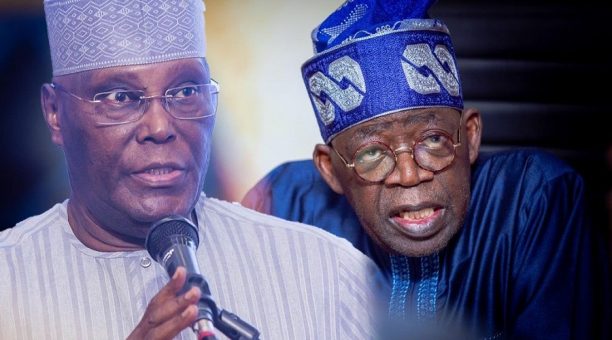
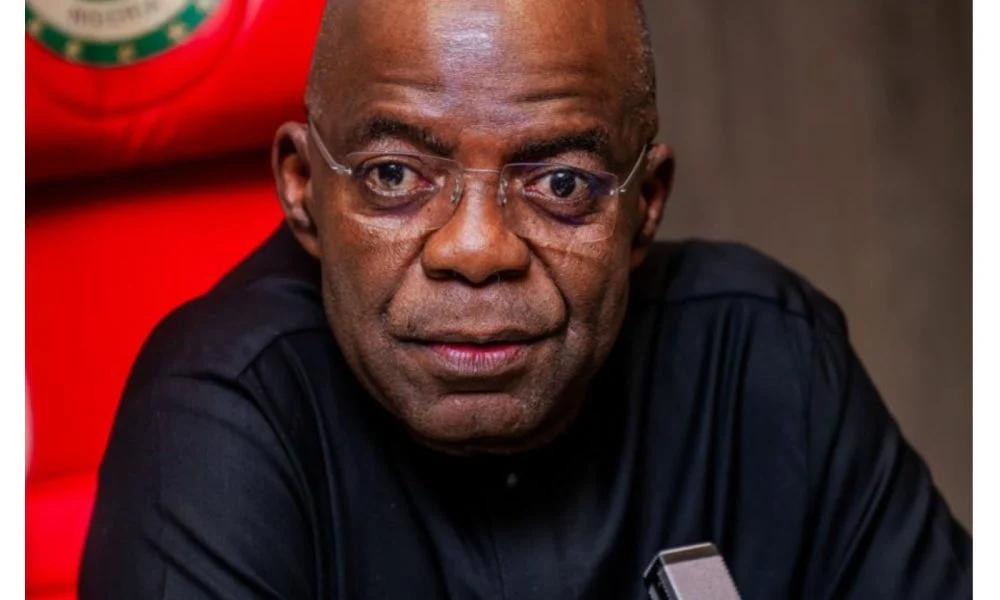
Former Speaker of the Abia State House of Assembly and APC House of Representatives candidate for Ikwuano/Umuahia Federal Constituency, Rt. Hon. Chinedum Enyinnaya Orji, has rejected former Vice President Atiku Abubakar’s criticism of President Bola Tinubu’s economic reforms, insisting that the policies are producing measurable results.
Orji made his position known in an article titled “Facts Over Fiction and Fear: Why Tinubu’s Reforms Are Working for Nigeria,” where he argued that the administration’s economic reset had improved key indicators, including gross domestic product, debt servicing, government revenue and the fiscal capacity of state and local governments.
He said Nigeria’s dollar-denominated GDP, which fell to about $253 billion following the exchange-rate reset, had recovered to approximately $377 billion. In naira terms, he put GDP at about ₦530 trillion, compared with roughly ₦314 trillion in 2024. Orji said the reforms were never presented as painless but were necessary to correct structural problems that had built up over decades.
On Nigeria’s debt position, the former Abia Speaker said the country’s debt-to-GDP ratio was about 40 per cent, compared with 85 per cent for South Africa, 80 per cent for Egypt and 75 per cent for Kenya. He also claimed that the debt-service-to-revenue ratio had dropped from almost 100 per cent in December 2022 to below 60 per cent.
Orji defended the removal of petrol subsidy, describing it as one of Tinubu’s most significant structural decisions. He argued that the policy had increased allocations to states and local governments, giving them more resources for infrastructure, salaries, pensions, schools, hospitals and other public services.
He also backed the administration’s tax reforms, saying the framework protects individuals earning ₦1 million or less annually and small businesses with turnover of ₦100 million or less, while placing greater responsibility on higher-income earners and profitable companies. He pointed to investments in healthcare and education, including the revitalisation of more than 3,000 primary healthcare centres and the retraining of over 78,000 frontline health workers.
In education, Orji cited more than 11,000 school rehabilitation projects under the Universal Basic Education Commission and said the Nigerian Education Loan Fund had disbursed over ₦303 billion to more than 1.64 million students across 300 institutions. He also listed ongoing road, rail, power, airport and digital infrastructure projects as evidence of increased public investment.
While acknowledging that Nigerians continue to face inflation and cost-of-living pressures, Orji argued that the trend is improving and dismissed claims of a ₦7.98 trillion oil windfall, saying crude revenue cannot be calculated simply by multiplying production by the price of oil. He said operating costs, government and company shares, as well as loan obligations, must also be considered.
Orji maintained that Nigeria still has significant economic challenges but is no longer in the same position it was during the period of fuel subsidy waste, multiple exchange rates and revenue leakages. He argued that the reforms should ultimately be judged by whether they produce stronger government revenue, lower debt-servicing pressure, improved infrastructure and better access to healthcare and education.
“A mature national conversation should examine outcomes, not slogans,” Orji said, arguing that the difficult phase of the reforms occurred mainly in 2023 and 2024 and that the country is now entering a recovery phase.