Now Reading: FG Confirms Imported Ebola Case in Abuja as 44 Contacts Identified
-
01
FG Confirms Imported Ebola Case in Abuja as 44 Contacts Identified

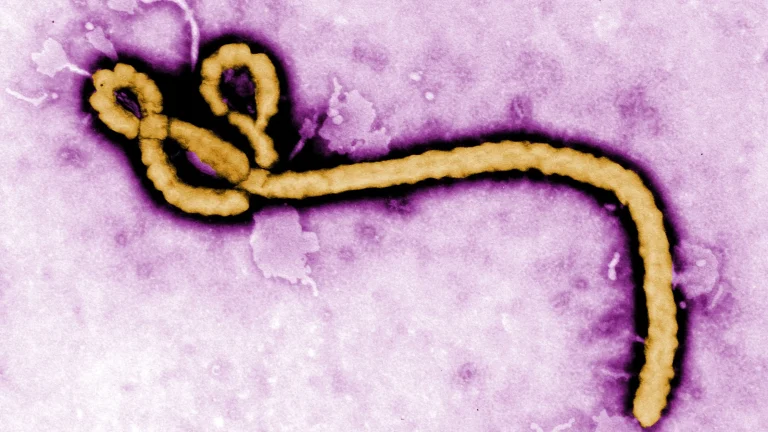
The Federal Government has confirmed an imported case of Ebola virus disease in Abuja, with health authorities identifying 44 contacts as part of ongoing efforts to prevent further transmission.
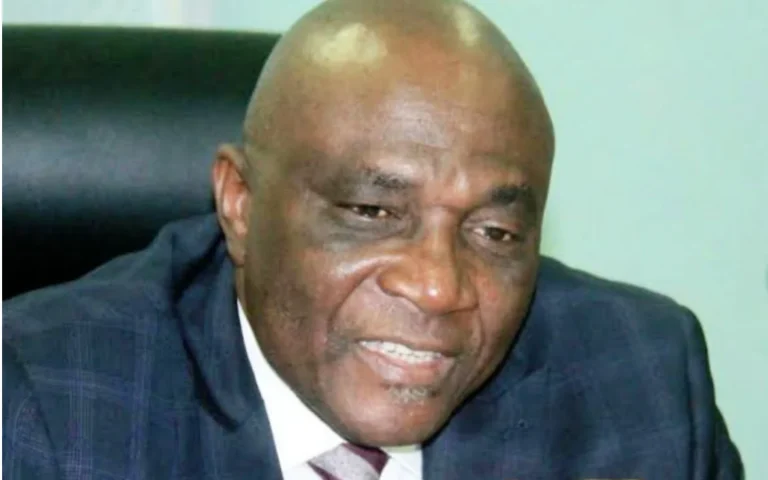
Minister of Health and Social Welfare, Prof. Ali Pate, disclosed on Tuesday that the infected woman had recently travelled from Uganda to Nigeria and developed symptoms on October 7, 2026.
According to the minister, the woman sought treatment at a private hospital in Abuja on October 11. Her condition subsequently worsened, prompting further medical investigations that confirmed Ebola virus disease on October 20.
Pate said the patient had been isolated and was receiving medical care, while public health officials continued contact tracing to identify and monitor people who might have been exposed to the infection.
He explained that the 44 contacts identified so far included healthcare workers, patients, caregivers and individuals who might have travelled with the patient.
The minister urged anyone contacted by public health officials, including passengers who might have travelled with the woman, to provide the necessary information and comply with all public health instructions.
The Federal Ministry of Health and Social Welfare, Nigeria Centre for Disease Control and Prevention, FCT Health Secretariat, World Health Organisation and Africa Centres for Disease Control and Prevention are collaborating to contain the case.
Pate added that the private hospital where the patient initially received treatment was receiving support to strengthen infection prevention and control measures. He also directed public and private health facilities nationwide to remain vigilant, promptly isolate suspected cases and report them to the appropriate authorities.
The confirmation comes amid a wider regional Ebola outbreak. Africa CDC Director-General, Dr Jean Kaseya, said the Bundibugyo virus outbreak had spread across multiple countries and called for urgent international support, including flexible funding, medical supplies, diagnostic capacity, trained responders and stronger community-based surveillance.
Kaseya warned that the situation in the Democratic Republic of the Congo remained serious, with the mortality rate approaching 50 per cent, while response efforts were also being intensified in Kenya and vigilance maintained in Uganda.
Ebola virus disease is a severe illness that spreads primarily through direct contact with the blood or other body fluids of an infected person after symptoms develop. Transmission can also occur through contaminated materials, including clothing, bedding and medical equipment.
Symptoms may include fever, severe headache, weakness, muscle pain, vomiting, diarrhoea and abdominal pain. Health authorities advise people who develop symptoms after possible exposure to seek immediate guidance from public health officials and disclose their travel and contact history.
Pate urged Nigerians to remain calm, avoid spreading unverified information and cooperate with contact-tracing teams. He also recalled Nigeria’s successful containment of an Ebola outbreak in 2014, expressing confidence in the country’s public health response capacity.
The minister said the Presidential Task Force on Ebola Virus Disease had been established in May 2026 as part of the government’s preparedness measures.
Members of the public seeking information or wishing to report suspected cases can call the NCDC’s toll-free line, 6232, which the minister said operates 24 hours a day, seven days a week.
The Federal Government said investigations and contact tracing were continuing as authorities worked to prevent further spread of the disease.