Now Reading: FG Urges Petrol Marketers to Cut Fuel Prices as Global Crude Oil Falls Below $70
-
01
FG Urges Petrol Marketers to Cut Fuel Prices as Global Crude Oil Falls Below $70
FG Urges Petrol Marketers to Cut Fuel Prices as Global Crude Oil Falls Below $70

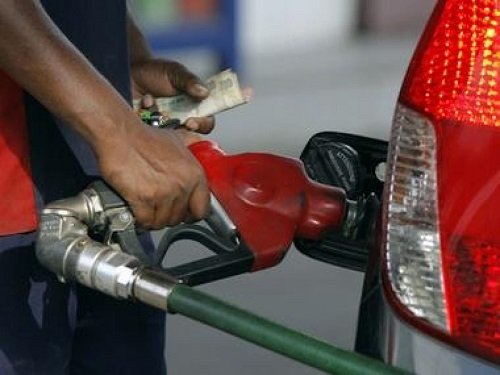
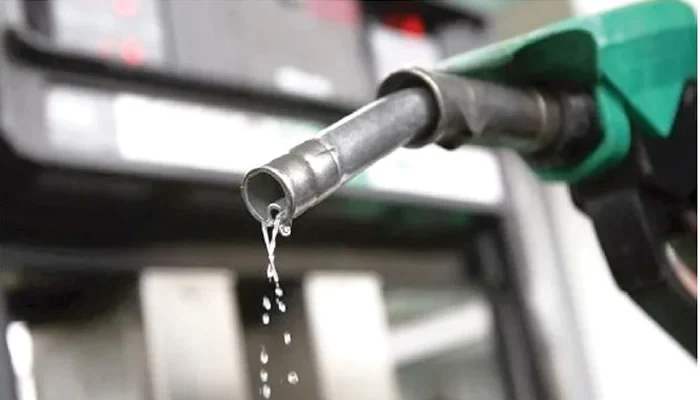
The Federal Government has called on petroleum marketers to reduce the pump price of petrol, saying Nigerians should benefit from the sharp decline in global crude oil prices.
Minister of State for Petroleum Resources (Oil), Heineken Lokpobiri, made the appeal on Monday during a stakeholders’ meeting with marketers and key players in Nigeria’s downstream petroleum sector. He argued that the fall in international crude prices should be reflected in the retail cost of Premium Motor Spirit (PMS).
Lokpobiri noted that Brent crude, which traded at about $118 per barrel earlier this year, has now dropped to below $70 per barrel, making it difficult to justify the current pump prices across the country.
“The price of fuel should reflect what is going on now,” the minister said, urging marketers to pass the savings from lower international replacement costs on to consumers.
He questioned why petrol and other petroleum products have not become cheaper despite the significant decline in crude oil prices, stressing that deregulation should not be interpreted as an opportunity for excessive profiteering.
According to the minister, the Federal Government is committed to engaging industry operators through dialogue rather than imposing policies that may be difficult to enforce.
“We would rather sit down with you and agree a practical framework than try to impose measures we cannot effectively enforce,” Lokpobiri stated.
The meeting was convened by the Nigerian Midstream and Downstream Petroleum Regulatory Authority (NMDPRA) on the directive of the Ministry of Petroleum Resources. It brought together representatives of the Federal Competition and Consumer Protection Commission (FCCPC), Dangote Refinery, the Major Energies Marketers Association of Nigeria (MEMAN), the Depot and Petroleum Products Marketers Association of Nigeria (DAPPMAN), the Independent Petroleum Marketers Association of Nigeria (IPMAN), the Nigerian Association of Road Transport Owners (NARTO), and the Petroleum Products Retail Outlets Owners Association of Nigeria (PETROAN), among other stakeholders.
The government’s latest intervention comes amid growing public concern over the cost of fuel, with many Nigerians expecting lower pump prices as global crude oil prices continue to decline.