Now Reading: Global Stock Markets Rally as Oil Prices Drop on Hopes of US-Iran Ceasefire Deal
-
01
Global Stock Markets Rally as Oil Prices Drop on Hopes of US-Iran Ceasefire Deal
Global Stock Markets Rally as Oil Prices Drop on Hopes of US-Iran Ceasefire Deal

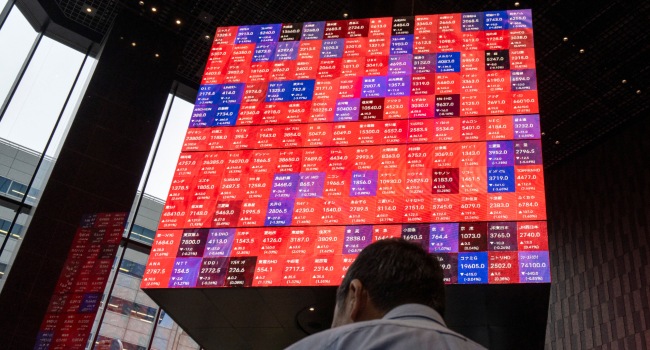
Global stock markets pushed higher on Friday while oil prices slipped sharply as investors grew increasingly optimistic about a possible agreement between the United States and Iran to extend their fragile ceasefire.
The renewed optimism came after reports emerged that negotiators from both sides were moving closer to a 60-day ceasefire extension, easing fears of a wider conflict that could disrupt global energy supplies and shake financial markets.
Oil traders reacted quickly to the development, sending crude prices lower after days of volatility triggered by tensions in the Middle East.
International benchmark Brent crude dropped nearly two percent to around $92 per barrel, while US West Texas Intermediate also recorded similar losses amid expectations that shipping activities through the critical Strait of Hormuz could stabilise if diplomacy succeeds.
The financial markets had been rattled earlier in the week after fresh US military strikes on Iran and retaliatory attacks by Iran’s Revolutionary Guard on an American airbase in the region raised fears of escalating confrontation.
However, reports late Thursday suggesting progress toward a temporary truce immediately boosted investor confidence across major global exchanges.
European markets traded in positive territory, with London, Paris and Frankfurt all recording gains during Friday’s session.
Asian markets also posted strong performances, driven partly by renewed enthusiasm around artificial intelligence investments and easing geopolitical concerns.
Tokyo’s Nikkei surged to another record high, while Seoul’s stock market jumped by more than three percent as investors piled into technology and semiconductor stocks.
Hong Kong also closed higher, although Shanghai ended the session lower.
Market analysts said the easing tensions between Washington and Tehran helped reduce fears of a major global economic shock, especially after oil prices showed signs of stabilising.
“Oil traders are taking an optimistic view that the end could be in sight for disruption in the region,” Derren Nathan of Hargreaves Lansdown said.
Meanwhile, Wall Street closed higher despite fresh economic data showing inflation in the United States remains stubbornly elevated while economic growth slowed during the first quarter of the year.
The latest figures could complicate expectations for interest rate cuts by the US Federal Reserve, even as President Donald Trump continues pressing for lower borrowing costs to stimulate the economy.
Elsewhere, European leaders are preparing for fresh discussions on trade imbalances with China, with officials expected to debate new measures aimed at protecting European companies from what the bloc describes as unfair competition from Chinese firms.