Now Reading: IMF Warns Middle East War Will Drag Global Growth, Raise Inflation and Deepen Food Crisis
-
01
IMF Warns Middle East War Will Drag Global Growth, Raise Inflation and Deepen Food Crisis
IMF Warns Middle East War Will Drag Global Growth, Raise Inflation and Deepen Food Crisis

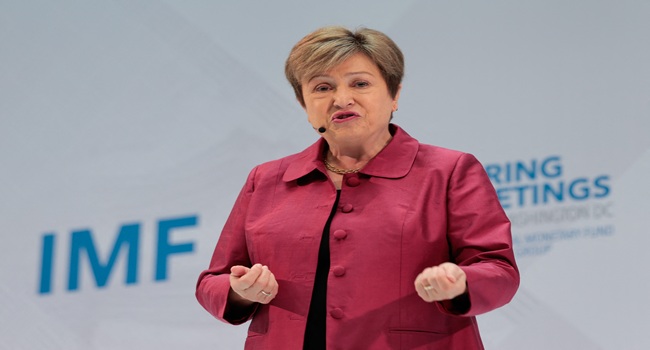
The International Monetary Fund (IMF) has warned that global economic growth forecasts will be downgraded due to the ongoing Middle East conflict, citing widespread “scarring effects” on markets, supply chains, and living costs.
IMF Managing Director Kristalina Georgieva said even under the most optimistic scenario, the world economy would not return smoothly to its previous stability.
“Even in a best case, there will be no neat and clean return to the status quo ante,” she said during the opening of the IMF and World Bank Spring Meetings in Washington.
She explained that rising energy prices, damaged infrastructure, disrupted supply chains, and weakening investor confidence would all weigh heavily on global growth in the months ahead.
The IMF estimates that countries affected by the crisis may require between $20 billion and $50 billion in emergency financial support, with the lower range dependent on whether the fragile ceasefire holds.
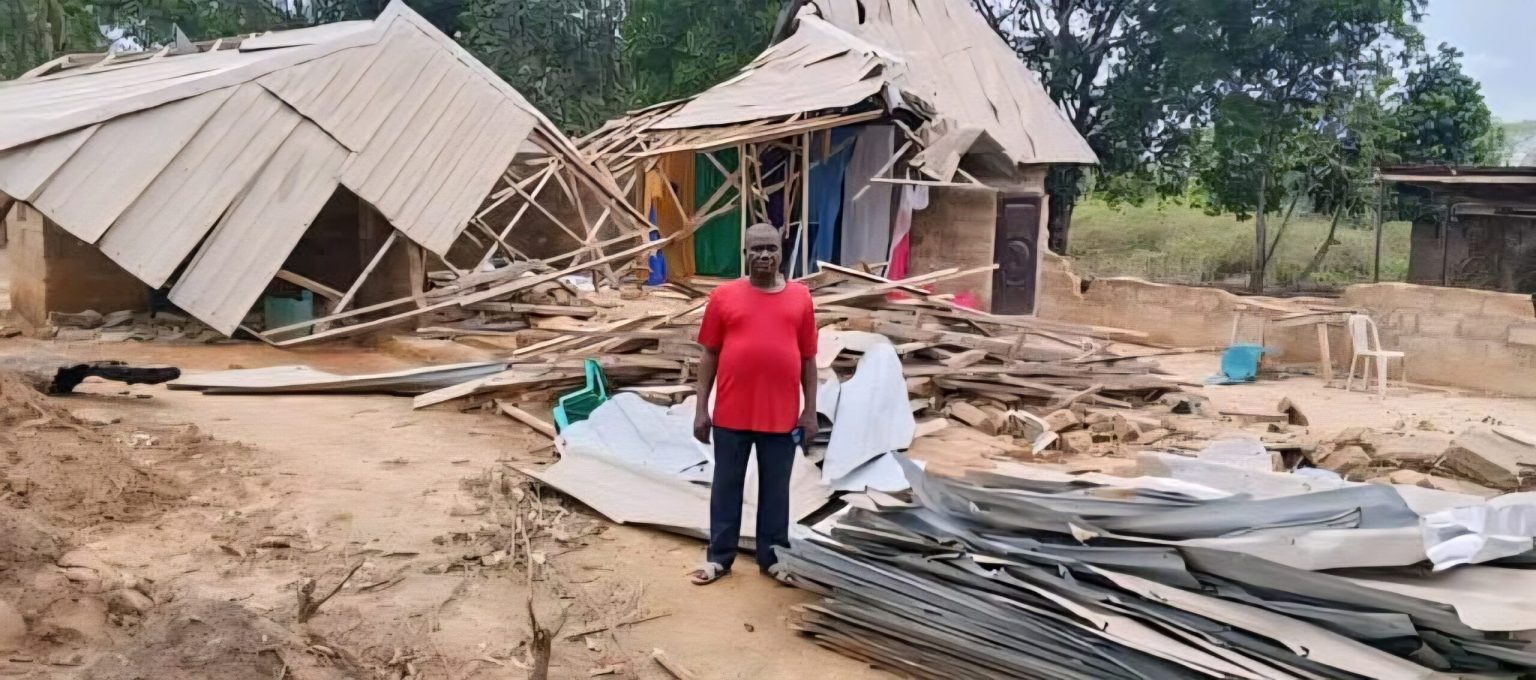
The fund also warned that food insecurity could affect at least 45 million people globally, as rising fuel, fertiliser, and transport costs continue to push up food prices.
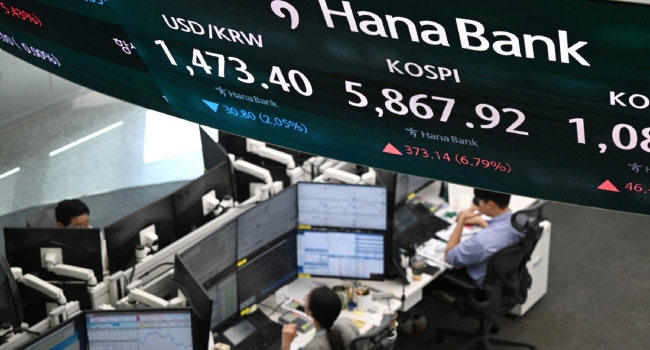
The Middle East conflict, which escalated earlier this year, has already disrupted key shipping routes, including pressure around the Strait of Hormuz, while sending global oil prices higher and increasing volatility in financial markets.
Georgieva noted that the impact of the war is “asymmetric,” with low-income and energy-importing countries suffering the most severe consequences.
“Spare a thought for Pacific Island nations at the end of a long supply chain, wondering if fuel still reaches them,” she said.
In a separate update, the World Bank confirmed that the region has suffered a “serious and immediate economic toll,” revising growth projections downward. Excluding Iran, Middle East growth is now expected to slow sharply in 2026.
The IMF also plans to revise global inflation forecasts upward, reflecting rising energy costs and continued supply chain disruptions.
At a joint meeting involving the IMF, World Bank, and World Food Programme, officials warned that higher fuel, gas, and fertiliser prices would inevitably worsen food insecurity across vulnerable regions.
Experts also highlighted a broader economic pattern linked to conflict, noting that output in war-affected countries typically falls significantly and continues declining for years.
As global policymakers prepare for further meetings in Washington, the IMF says it will also release its Fiscal Monitor report, which is expected to highlight rising public debt as governments struggle to manage repeated economic shocks.