
The World Bank has warned that developing countries could face a shortfall of 800 million jobs over the next 10 to 15 years, urging governments to accelerate investment and economic
The World Bank has warned that developing countries could face a shortfall of 800 million jobs over the next 10 to 15 years, urging governments to accelerate investment and economic
The World Bank Group says it is working to mobilise up to $5.79 billion in private financing for Nigeria in fiscal year 2026, targeting sectors including digital infrastructure, agriculture and

The Universal Basic Education Commission (UBEC) has unveiled a $552.18 million World Bank-supported education programme targeting 29 million Nigerian children and 500,000 teachers, warning state governments that inadequate budgetary provisions
The World Bank is reportedly targeting $5.79 billion in private investment for Nigeria as part of efforts to support economic activity and development. The reported initiative comes as Nigeria seeks
The World Bank has raised its forecast for Nigeria’s economic growth in 2026 to 4.3 per cent, up from an estimated 4 per cent growth in 2025. The bank said
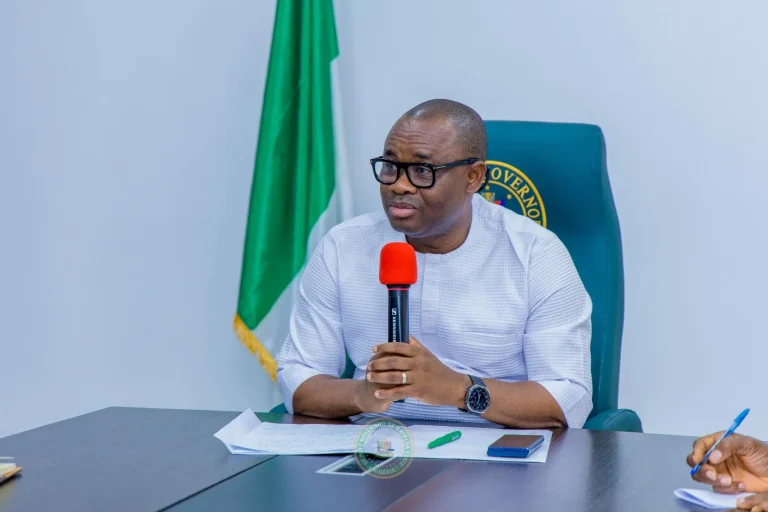
The Bayelsa State Government has assured the Rural Access and Agricultural Marketing Programme (RAAMP) and other development partners that it will meet its counterpart funding obligations for critical infrastructure projects
The World Bank Group says artificial intelligence (AI) has the potential to help developing countries achieve what would normally take a century of economic growth in just 10 years, provided
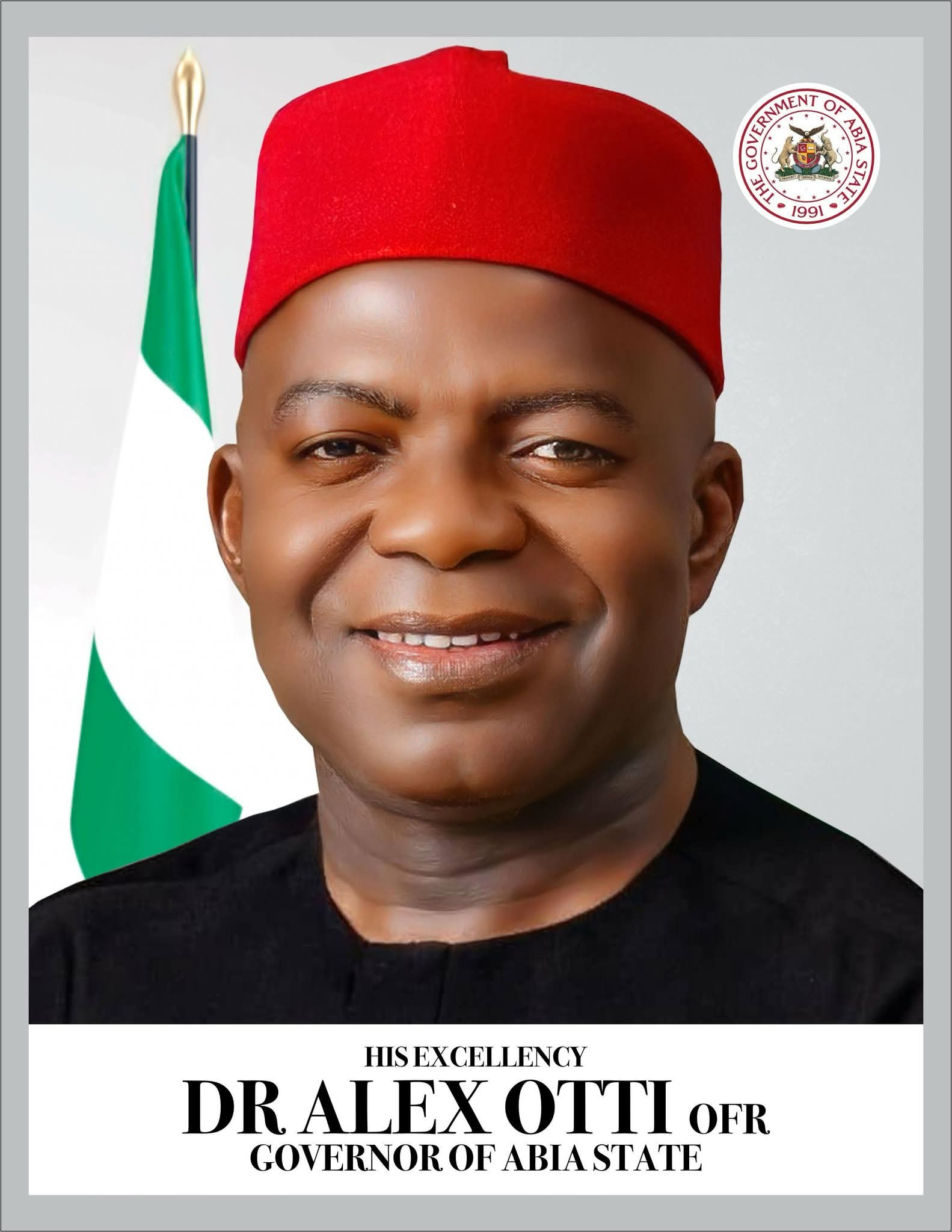
Abia State’s entry into the $700 million SURWASH programme backed by the World Bank is more than a funding win—it’s a credibility test the state has clearly passed. For a
Abia State’s inclusion in the $700 million World Bank-supported SURWASH programme marks a major shift in how the state is perceived by global development partners—and raises a bigger question: what
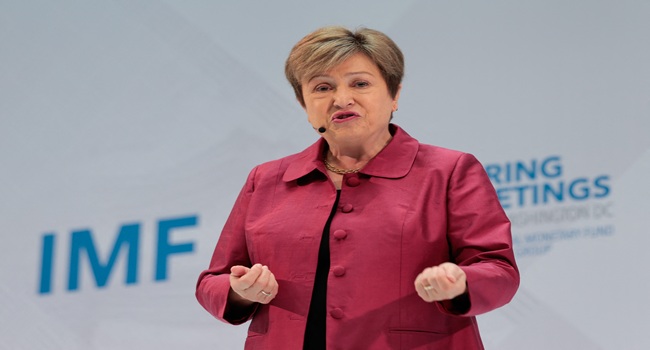
The International Monetary Fund (IMF) has warned that global economic growth forecasts will be downgraded due to the ongoing Middle East conflict, citing widespread “scarring effects” on markets, supply chains,