Now Reading: How Alex Otti Led Abia to Secure $700m World Bank SURWASH Funding
-
01
How Alex Otti Led Abia to Secure $700m World Bank SURWASH Funding

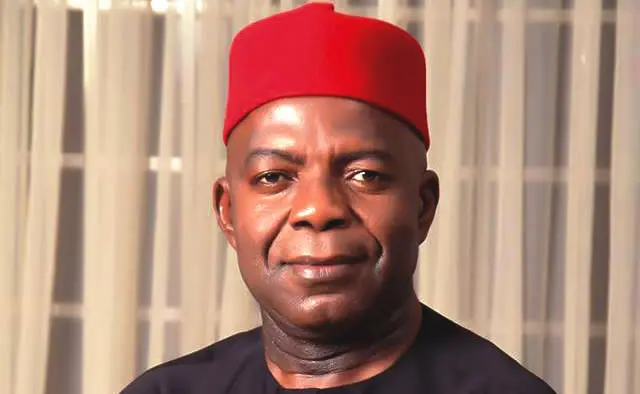
Abia State’s inclusion in the $700 million World Bank-supported SURWASH programme marks a major shift in how the state is perceived by global development partners—and raises a bigger question: what changed?
The Sustainable Urban and Rural Water Supply, Sanitation and Hygiene (SURWASH) programme is not handed out casually. States must meet strict benchmarks around governance, financial transparency and institutional capacity. Abia’s selection among just six beneficiaries suggests it has cleared hurdles that have historically excluded many states.
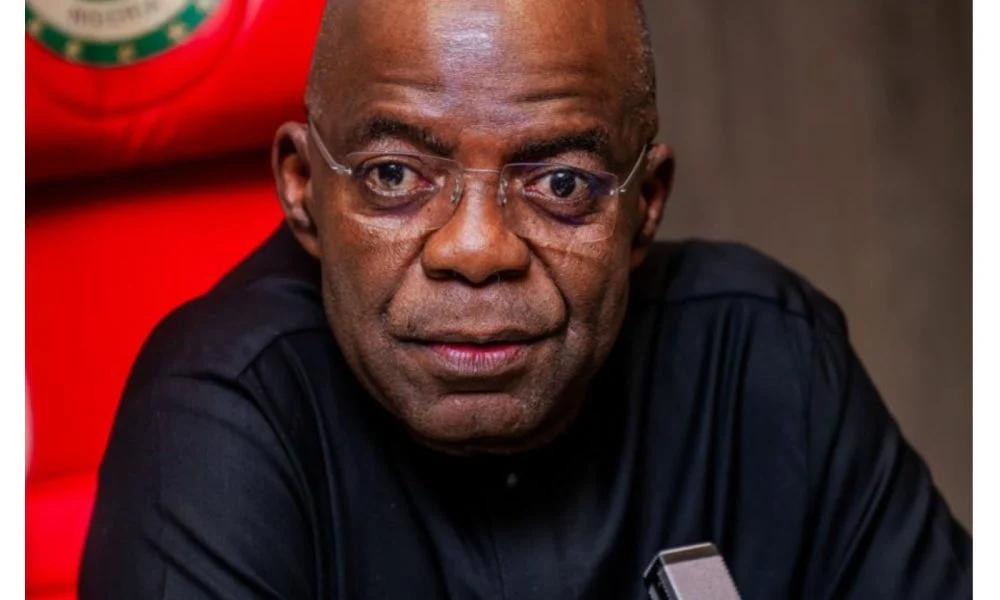
At the centre of this shift is Governor Alex Otti, whose administration has pushed reforms around public finance management, procurement processes and accountability systems. These are not headline-grabbing moves, but they are exactly the kind of signals international lenders look for before committing funds.
The state’s approach appears to have focused less on rhetoric and more on systems—tightening controls on spending, improving documentation, and aligning projects with measurable outcomes. That matters because development institutions do not fund promises; they fund structures that can deliver.
Beyond internal reforms, Abia has also leaned into a more partnership-driven model. By reducing bureaucratic delays and improving coordination between agencies, the government has made it easier for external partners to engage without friction—something that often derails projects in other regions.
There is also a visible attempt to link policy with execution. Investments in water infrastructure, urban renewal and energy reforms suggest the state is trying to build a track record that matches its reform narrative. For institutions like the World Bank, consistency between what a government says and what it delivers is a key trust signal.
Still, the real test is ahead. Securing access to funding is one thing; deploying it effectively is another. Many states have struggled not with attracting development finance, but with execution, transparency in utilisation, and long-term sustainability of projects.
The SURWASH programme, if properly implemented, could significantly improve access to clean water and sanitation across Abia. But it will also place the state under closer scrutiny, as global partners track outcomes, timelines and impact.
In the end, this milestone is less about the money and more about credibility. It suggests Abia is beginning to meet the standards required to compete for international development support. Whether that momentum is sustained will depend on execution—not announcements.