Now Reading: INEC Fixes November 28 for Nationwide Mock Election Ahead of 2027 Polls
-
01
INEC Fixes November 28 for Nationwide Mock Election Ahead of 2027 Polls
INEC Fixes November 28 for Nationwide Mock Election Ahead of 2027 Polls

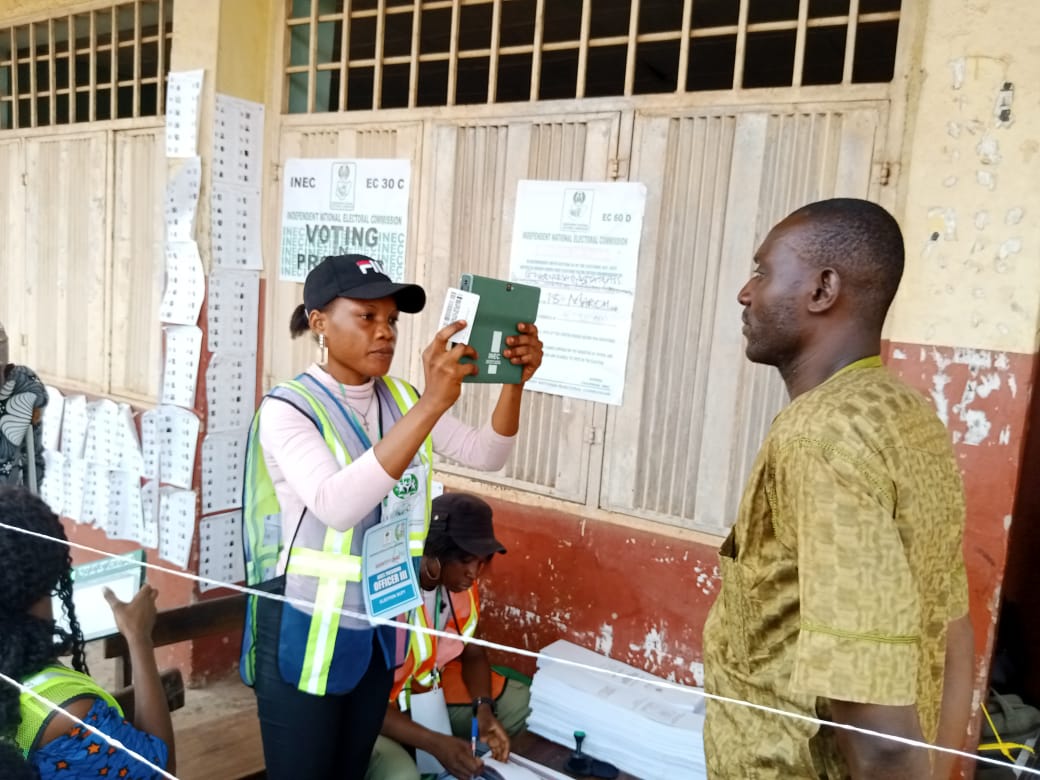
The Independent National Electoral Commission (INEC) has scheduled November 28, 2026, for a nationwide mock accreditation and voting exercise ahead of the 2027 general elections.
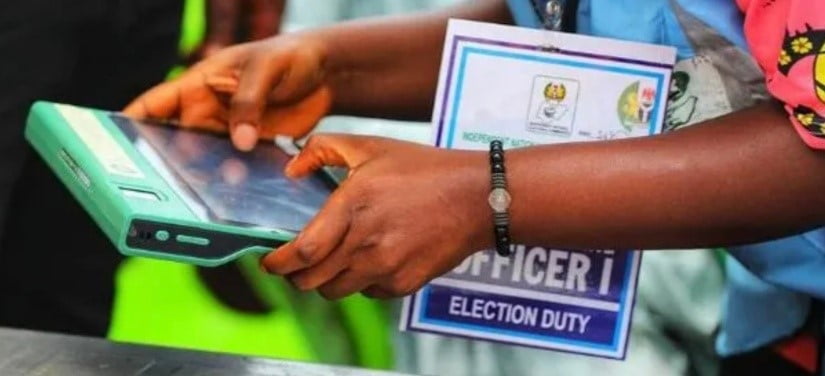
The exercise is aimed at testing the commission’s upgraded voter accreditation equipment and electronic result transmission system before the elections.
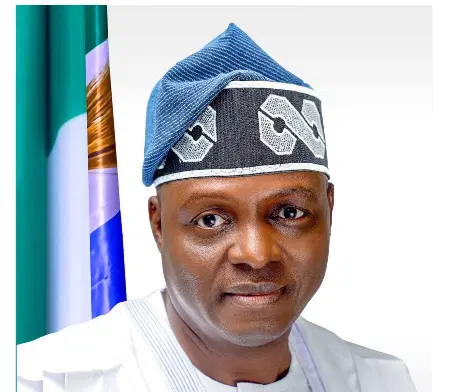
INEC Chairman, Professor Joash Amupitan, announced the date on Thursday during a high-level dialogue at Chatham House in London, organised in partnership with the Kimpact Development Initiative (KDI).
The event was held under the theme, “Nigeria’s 2027 Elections: Democratic Trajectory and Regional Stability Beyond the Ballot.”
Amupitan said the exercise would simulate the presidential election and allow the commission to assess the effectiveness of its accreditation and electronic result transmission systems across the country.
“On the 28th of this month, we will conduct a mock accreditation and voting exercise across all states of the federation to simulate the presidential election and verify that we have gotten both accreditation and electronic result transmission right,” he said.
He explained that the exercise formed part of measures to address technical challenges experienced during the 2023 general elections and strengthen preparations for the 2027 polls.
The INEC chairman disclosed that the commission had procured additional Bimodal Voter Accreditation System (BVAS) devices and reduced the maximum number of registered voters assigned to each machine from 1,250 to 850.
He added that polling units with more than 850 registered voters would be provided with multiple devices.
Amupitan also revealed that INEC was constructing climate-controlled storage facilities across the states to address previous BVAS malfunctions reportedly linked to extreme temperatures and storage conditions.
On electronic result transmission, he said the commission had introduced technical safeguards to prevent inaccurate results and figures indicating over-voting from being uploaded to its Result Viewing Portal (IReV).
He identified insecurity, logistics and result management as the commission’s three major priorities ahead of the 2027 elections.
According to him, a post-2023 audit showed that the most significant problems with election result management occurred at collation centres rather than polling units.
The INEC chairman said the commission had therefore decided to upgrade its existing electoral technology instead of introducing an entirely new system, citing the limited time available before the next general elections.
On funding, Amupitan disclosed that INEC had received a substantial portion of its 2027 election budget but was still awaiting the outstanding balance.
He said part of the pending funds would be used for the recruitment and welfare of ad hoc election personnel, adding that the commission had received assurances that the money would be released before the end of November.
The 2027 presidential and National Assembly elections are scheduled for January 16, while governorship and State Houses of Assembly elections will hold on February 6