
Now Reading: Kaduna Psychiatric Hospital Takes Mental Healthcare to Patients’ Homes With Telepsychiatry
-
01
Kaduna Psychiatric Hospital Takes Mental Healthcare to Patients’ Homes With Telepsychiatry
Kaduna Psychiatric Hospital Takes Mental Healthcare to Patients’ Homes With Telepsychiatry

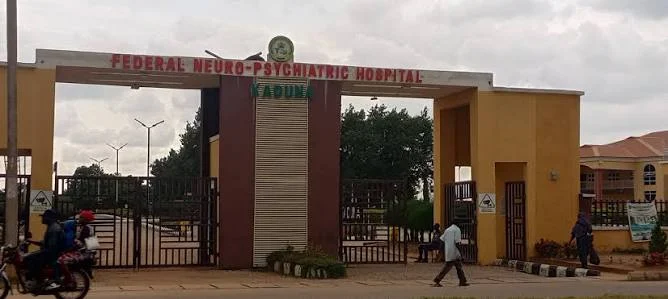
Patients of the Federal Neuropsychiatric Hospital, Kaduna, can now access specialist psychiatric consultations and follow-up care from home after the hospital launched a new telepsychiatry service.
The initiative is aimed at reducing the financial and geographical challenges faced by patients who travel from different parts of Nigeria and neighbouring countries to receive mental healthcare at the hospital.
The hospital’s Medical Director, Prof. Aishatu Armaya’u, announced the service on Wednesday during a strategic media engagement in Kaduna, where the hospital also unveiled new patient cards and other digital innovations.
Armaya’u said many patients and their relatives spend significant amounts on transportation, accommodation and feeding each time they travel to the hospital for routine consultations and follow-up appointments. She said the new platform would allow eligible patients to remain in their communities while receiving specialist care remotely.
“This is my dream in the next 20 years, to see the impact of what we have done today transferred across the globe, where a patient can stay in the hospital to have affordable, available and accessible mental healthcare at home,” she said.
The medical director explained that the telepsychiatry system would involve more than doctors, with nurses, pharmacists, laboratory scientists, health information managers and administrators participating in the digital care process. Patients would be able to schedule appointments, provide consent, make payments and receive consultations without travelling for every visit.
Armaya’u said the system would also help the hospital plan its services more effectively because staff would know ahead of time how many patients were scheduled for virtual consultations and the nature of their healthcare needs.
She added that the initiative formed part of the hospital’s broader plan to decentralise mental healthcare and strengthen the integration of psychiatric services into primary healthcare facilities across Kaduna State. Patients whose conditions could be managed within their communities would receive continued support without repeated trips to the specialist hospital.
According to Armaya’u, specialists at the Federal Neuropsychiatric Hospital would also be able to support healthcare workers in other locations through telemedicine, reducing pressure on the hospital while creating more opportunities for research, training and the management of complex cases.
She, however, stressed that telepsychiatry would not replace physical consultations in situations where direct examination was necessary. The hospital’s new patient cards, launched alongside the service, are also expected to improve patient identification, records management and continuity of care as the facility moves towards a more accessible and digitally connected mental healthcare system.