Now Reading: King Sunny Adé at 80: The Jùjú Legend Who Took Nigerian Music to the World
-
01
King Sunny Adé at 80: The Jùjú Legend Who Took Nigerian Music to the World
King Sunny Adé at 80: The Jùjú Legend Who Took Nigerian Music to the World

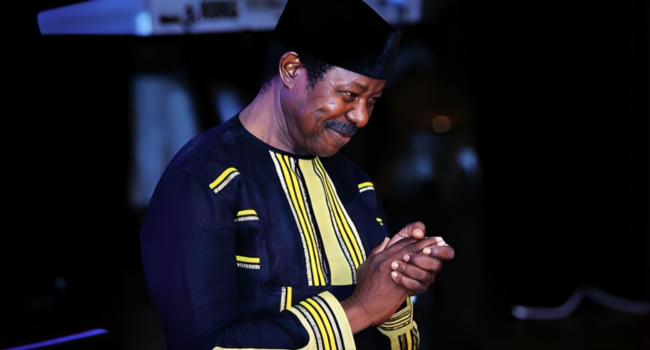
Legendary Nigerian jùjú musician King Sunny Adé is celebrating his 80th birthday on September 22, marking more than six decades of a career that helped take Yoruba music from local celebrations to audiences around the world.
Born Sunday Adeniyi Adegeye in 1946, King Sunny Adé emerged as one of the defining figures in Nigerian music, building a distinctive sound around electric guitars, pedal steel guitar, talking drums, percussion and elaborate live performances.
His international breakthrough came in the early 1980s when he signed with Island Records, releasing Juju Music in 1982 and Synchro System in 1983. The latter earned him a Grammy nomination, making him the first Nigerian artist to receive a Grammy nomination. He later received a second nomination for his 1998 album Odu.
Adé’s music was rooted in jùjú, a genre deeply connected to Yoruba musical traditions, but he expanded its sound and stage presentation with modern instrumentation and large ensembles. His African Beats became known for layered percussion, guitar work and energetic performances that helped distinguish his shows from more conventional band performances of the period.
His rise on the international stage also helped introduce a wider global audience to Nigerian popular music. Juju Music and Synchro System received international attention, while Adé and his African Beats performed extensively outside Nigeria, including in the United States and Europe.
Among the songs and recordings associated with his enduring legacy are “Ja Funmi,” “Synchro System,” “Ma Jaiye Oni” and “Ariya.” His catalogue has continued to influence discussions around the development of Nigerian popular music and the relationship between traditional African sounds and modern production.
Beyond his recordings, King Sunny Adé’s influence has been strongly linked to live performance. His large-band format, guitar-driven arrangements and use of choreography helped establish a distinctive concert experience at a time when Nigerian musicians were increasingly reaching audiences outside the country.
His career has also included collaborations and cultural contributions beyond jùjú music. He has worked with international and Nigerian musicians, while his wider activities have included efforts to support music education and younger performers.
At 80, King Sunny Adé remains one of the most internationally recognised figures in the history of Nigerian music. His two Grammy nominations, international tours and role in taking jùjú to global audiences have secured a place for him in the story of African popular music.
As Nigerian music continues to dominate international stages, the legacy of King Sunny Adé offers a reminder that the country’s global musical journey began long before the current Afrobeats era.