Now Reading: Lagos Flooding: Heavy Rainfall, High Tides Making Flood Control More Difficult, Says Tokunbo Wahab
-
01
Lagos Flooding: Heavy Rainfall, High Tides Making Flood Control More Difficult, Says Tokunbo Wahab
Lagos Flooding: Heavy Rainfall, High Tides Making Flood Control More Difficult, Says Tokunbo Wahab

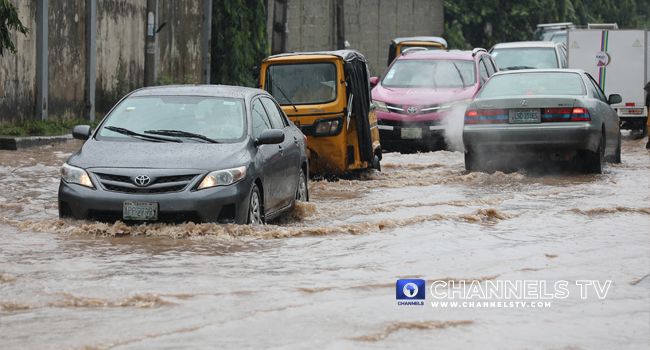
The Lagos State Government has attributed the recent flooding witnessed across parts of the state to a combination of intense rainfall, rising sea levels and the city’s unique coastal geography, urging residents to support ongoing efforts to reduce the impact of floods.
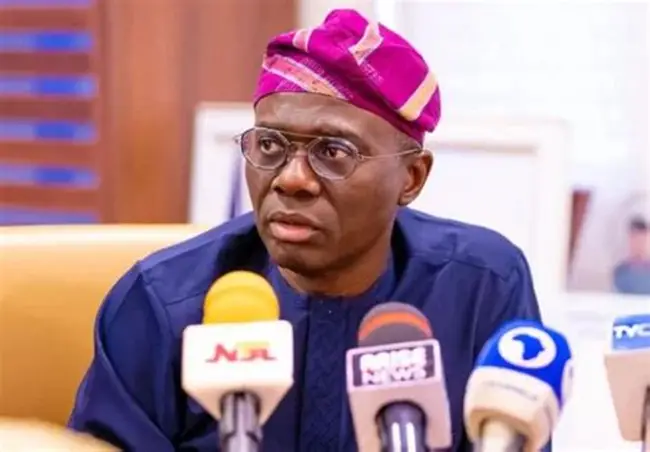
Commissioner for the Environment and Water Resources, Tokunbo Wahab, said Lagos faces a far more complex flood management challenge than many other coastal cities because of its interconnected network of lagoons, rivers, creeks and tidal water bodies.
According to Wahab, the interaction between the Atlantic Ocean, Lagos Lagoon and numerous inland waterways slows the discharge of stormwater into the sea during periods of high tide. This, he explained, often results in temporary flooding in low-lying communities whenever exceptionally heavy rainfall occurs.
He assured residents that the state government is continuously monitoring drainage systems, flood-prone locations and critical waterways while emergency response agencies remain on standby to help floodwaters recede as quickly as conditions allow.
The commissioner said the government has continued to invest heavily in drainage construction, channelisation projects, desilting operations and other flood control infrastructure. However, he stressed that government efforts alone cannot solve the problem.
Wahab urged residents to stop dumping refuse into drains, canals and waterways, warning that blocked drainage channels significantly worsen flooding during heavy rainfall. He also cautioned against illegal reclamation of wetlands and construction on drainage alignments, describing such activities as major contributors to urban flooding.
He noted that climate change is increasing the frequency and intensity of rainfall in coastal cities worldwide, adding that Lagos is not immune to those global environmental challenges.
“Lagos is not exempted from these realities. However, the State Government remains steadfast in its commitment to building a flood-resilient city through sustained infrastructure development, environmental enforcement, and active collaboration with residents,” Wahab said.
The commissioner also advised motorists to avoid driving through flooded roads and urged residents, particularly those living in flood-prone communities, to pay attention to weather advisories and safety directives issued by government agencies.
His comments followed widespread flash flooding across several parts of Lagos after hours of heavy rainfall on Tuesday. The downpour left many roads submerged, disrupted transportation and stranded commuters, while videos shared by residents and celebrities on social media showed floodwaters overwhelming parts of the city.
Wahab reiterated that preventing flooding is a shared responsibility and called on Lagosians to support government efforts by keeping drainage channels free of waste and promptly reporting activities capable of obstructing the free flow of stormwater.