Now Reading: Nigeria’s Jungle Justice Crisis: Innocent Lives at Risk as Mob Killings Surge
-
01
Nigeria’s Jungle Justice Crisis: Innocent Lives at Risk as Mob Killings Surge
Nigeria’s Jungle Justice Crisis: Innocent Lives at Risk as Mob Killings Surge

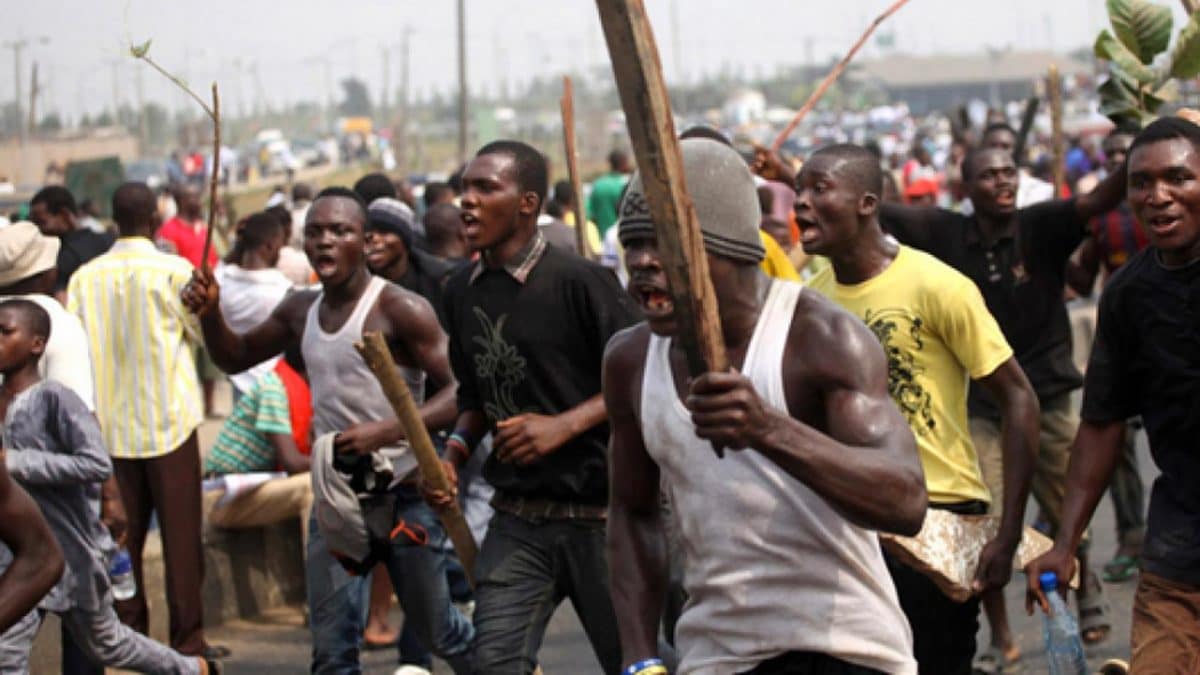
Nigeria’s growing wave of jungle justice is putting suspected criminals and innocent citizens alike at serious risk, with mob attacks, false accusations and extrajudicial killings reported across several states in 2026.
The violence has taken many forms, from public assaults and humiliation to fatal attacks on people accused of theft, fraud, kidnapping or other offences. In some cases, victims were later found to have been innocent, raising fresh concerns about the rule of law and public confidence in Nigeria’s justice system.
Amnesty International has recorded at least 363 cases of mob violence across Nigeria over the past decade, with nearly 100 people killed. The trend has continued this year, including the March killing of a suspected motorcycle thief in Abuja, the June lynching of an Islamic teacher in Kaduna after a false kidnapping allegation, and the deaths of two travellers who were mistaken for kidnappers.
The crisis has also been fuelled by the rapid spread of disturbing videos on social media. Some clips show alleged suspects being publicly humiliated, assaulted and forced to perform acts for crowds and online audiences, turning violence into a form of public spectacle while leaving victims exposed to lasting reputational damage.
In Oyo State, a suspected robbery attempt at a Point of Sale operator in the Ojoo area of Ibadan triggered mob violence in July. Police said one suspect, Abeeb Olajide, was rescued after being attacked by a mob but later died in hospital. The incident was followed by further violence and reprisal attacks, with at least two other deaths reported.
Another case involved University of Jos graduate and model Ibrahim Mbaya, popularly known as Ibee, who died after a mob attacked him over an alleged phone theft. Police subsequently arrested several suspects in connection with the killing, while investigations continued into others who may have been involved.
False accusations have also left ordinary citizens fearing for their lives. In Abuja, a woman who was accused of making a fake bank transfer at a market said she was surrounded and labelled a thief before paying money simply to escape the situation. In Ebonyi State, another woman was attacked after being falsely accused of abducting children, only for preliminary investigations to indicate that the children were her neighbours.
Public affairs analyst Damion Uko linked the rise in jungle justice to frustration, corruption and a growing belief that the formal justice system does not always deliver timely results. Lawyer and activist Nkereuwm Akpan, however, stressed that Nigerian law does not authorise mobs to punish suspected offenders, saying suspects should instead be handed over to law enforcement agencies. The challenge, analysts say, is rebuilding public trust while ensuring that police investigations and courts deliver justice quickly and fairly.