Now Reading: NJC Recommends 12 Judges for Court of Appeal as 2027 Election Cases Loom, Suspends Two High Court Judges
-
01
NJC Recommends 12 Judges for Court of Appeal as 2027 Election Cases Loom, Suspends Two High Court Judges
NJC Recommends 12 Judges for Court of Appeal as 2027 Election Cases Loom, Suspends Two High Court Judges

Nigeria’s judicial system is preparing for the legal battles expected ahead of the 2027 general elections, with the National Judicial Council recommending 12 High Court judges for elevation to the Court of Appeal.
The decision was taken during the council’s 111th meeting chaired by the Chief Justice of Nigeria, Kudirat Olatokunbo Motonmori, as efforts intensify to strengthen the country’s appellate courts before the next election cycle.
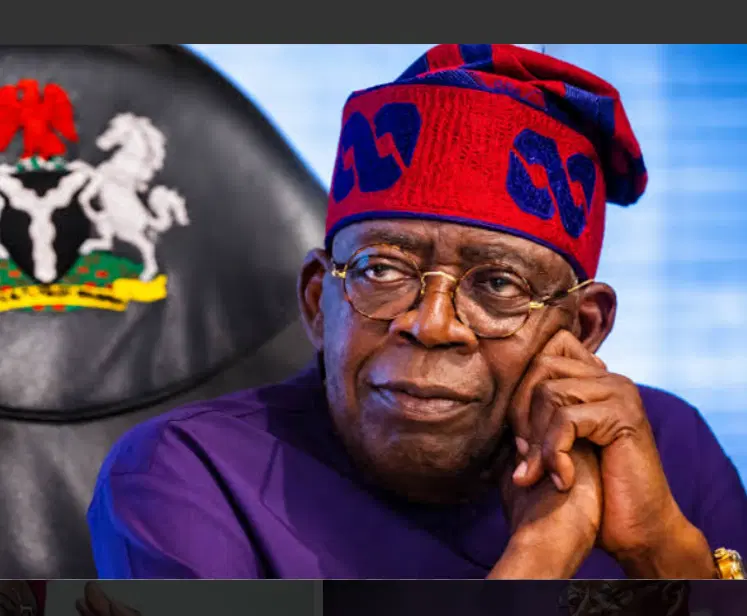
In a statement issued by the NJC’s Deputy Director of Information, Kemi Babalola Ogedengbe, the council said the names of the judges had been forwarded to President Bola Ahmed Tinubu for final appointment as Justices of the Court of Appeal.
Among the prominent judges recommended are James Kolawole Omotosho and Emeka Nwite, both of whom have handled several high-profile political and criminal cases in recent years.
Others on the list include Yakubu Mohammed, Abodunde Oluwatoyin, Ajuwa Raphael, Abua Ojie, Ijohor Jennifer, Shuaib Bala, Buba Njana, Kado Sanusi, Adeola Enikuomehin and Dandom Veronica.
According to the council, the appointments are expected to fill vacancies created by the elevation of some Appeal Court justices to the Supreme Court and the retirement of others who have reached mandatory retirement age.
The NJC also recommended Christine Clement Ende for appointment into the Benue State High Court bench, while Ibrahim Yakubu and Bala Daura were nominated as Kadis for the Katsina State Sharia Court of Appeal.
At the same meeting, the council sanctioned two judges over judicial misconduct. Ibrahim Shekarau and Edward Okpe were suspended for one year without pay after being found guilty of granting what the council described as frivolous orders and denying litigants fair hearing.
The NJC also rejected appeals by eight retired judges from the Imo State High Court seeking reinstatement after being compulsorily retired over allegations of age falsification.
The affected judges are B. C Iheka, K. A Leaweanya, Okereke Ngozi, Innocent Ibeawuchi, Ofoha Uchenna, Everyman Eleanya, Rosemond Ibe and T. N Nzeukwu.
In addition, the council disclosed that 256 judicial officers were queried over various allegations linked largely to poor performance and conduct, while 73 petitions against judges were dismissed for lacking merit.
The latest moves by the NJC come as attention gradually shifts toward the 2027 elections, with legal observers expecting a fresh wave of politically sensitive cases that could test the strength and independence of Nigeria’s judiciary.