Now Reading: Over 6,000 Displaced as Bandit Attacks Ravage Five Kebbi Communities
-
01
Over 6,000 Displaced as Bandit Attacks Ravage Five Kebbi Communities
Over 6,000 Displaced as Bandit Attacks Ravage Five Kebbi Communities

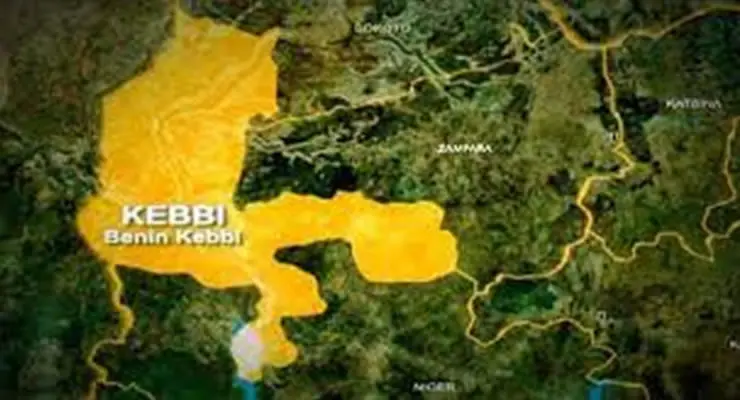
More than 6,000 people have been forced from their homes in five communities in Kebbi State following recent attacks blamed on banditry groups, a joint humanitarian assessment has found.
The assessment was carried out between August 28 and 31 by the Nigerian Red Cross Society (NRCS), Kebbi State Emergency Management Agency (SEMA) and Médecins Sans Frontières (MSF). It found that displacement was still increasing across several parts of the state.
In Kanya community alone, 6,430 displaced people from five villages — Dpindu, Dkwala, Kundurku, Rafin Gora and Gwazawa — were identified by the assessment team.
The displaced population comprises 3,879 children, 450 pregnant women, 197 lactating women, 850 adult males and 984 adult females. The assessment also identified 70 unaccompanied persons among those affected.
The humanitarian crisis has extended to Danko-Wasagu and Sakaba Local Government Areas in the Zuru Emirate, where continued population movements were also recorded following attacks attributed locally to bandit groups.
Earlier, between August 17 and 19, more than 5,000 residents reportedly fled eight communities in Jega Local Government Area after attacks blamed on banditry groups. Most of those displaced moved to Jega town, where more than 2,500 people were initially sheltered at Jega Model Primary School.
The continued occupation of the school has raised concerns ahead of the planned reopening of schools on September 12. Humanitarian responders say an alternative location and coordinated relocation plan are urgently needed to prevent the displacement crisis from disrupting academic activities.
The wider assessment covered 18 affected communities across Bagudo, Jega, Koko-Besse, Shanga and Yauri Local Government Areas. It documented deaths, injuries, displacement as well as damage to homes and sources of livelihood, with available data putting the number of people killed at 73 and those injured at 177.
The NRCS said the figures are still being consolidated and verified across the different locations as population movements continue to evolve, underscoring the scale of the humanitarian needs created by the attacks.