Now Reading: Police Warn Against AI-Generated Fake News Ahead of 2027 Elections
-
01
Police Warn Against AI-Generated Fake News Ahead of 2027 Elections


The Nigeria Police Force has warned Nigerians against creating and spreading artificial intelligence-generated misinformation, deepfake videos and manipulated media capable of threatening national security and undermining the credibility of the 2027 general elections.
Assistant Commissioner of Police Bashir Abdullahi, who represented the Inspector-General of Police, gave the warning during a webinar organised by the PUNCH Media Foundation on Wednesday.
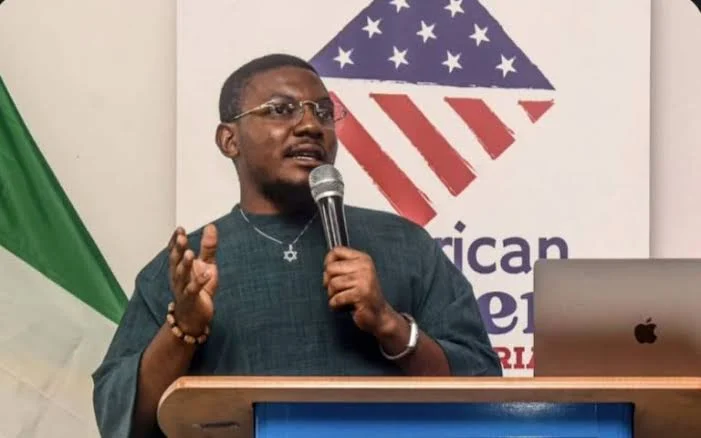
The webinar, themed “AI Misinformation and Nigeria’s 2027 Elections: Safeguarding the Truth, Protecting the Vote,” examined the growing risks posed by artificial intelligence and misleading digital content to Nigeria’s electoral process.
Abdullahi said the police had strengthened their ability to detect and investigate misleading online content through the establishment of the Nigeria Police Force National Cybercrime Centre following the 2023 general elections.
He explained that the centre operates a security monitoring system to identify and verify suspicious information, particularly videos, images and other materials suspected to have been created or manipulated using artificial intelligence.
The police representative also disclosed that the force had established working relationships with major technology companies, including Meta and TikTok, to support investigations into suspicious online activities. He said the partnerships would help investigators obtain relevant user information, trace the origins of misleading content and preserve digital evidence for possible prosecution.
Abdullahi revealed that the police had handled cases involving manipulated videos and deepfakes, including a video allegedly showing President Bola Tinubu making statements he never made. He said the suspect was traced, arrested and questioned, during which he reportedly claimed that he created the video as an experiment.
He warned that anyone found deliberately producing and circulating false information capable of disrupting the 2027 elections would be held accountable. However, he stressed that the police would respect citizens’ constitutional right to freedom of expression and would not arrest individuals simply for expressing political opinions.
Also speaking, Yiaga Africa’s Director of Programmes, Cynthia Mbamalu, said public trust was essential to credible elections, warning that deliberate disinformation could weaken confidence in electoral institutions and discourage voter participation.
Mbamalu urged the Independent National Electoral Commission (INEC) to improve its communication strategy by providing timely and accurate information before, during and after elections. She also recommended regular public briefings, clear communication schedules and scenario planning involving INEC, civil society organisations and media practitioners to prepare for threats such as fake election announcements and AI-generated videos.
Meanwhile, Director of Projects at the Cable Newspaper Journalism Foundation, Mayowa Tijani, raised concerns about the growing use of artificial intelligence in Nigerian newsrooms without clear editorial guidelines.
Tijani said AI tools were already being used for transcription, image generation and other newsroom activities, but many media organisations lacked policies explaining how the technology was deployed. He called for transparent, public-facing AI policies to help audiences understand the safeguards guiding AI-assisted journalism.
He also warned that AI-generated images published alongside factual reports could mislead audiences if they were not clearly labelled as illustrations. According to him, artificial intelligence could support journalistic work, but editorial decisions and final approval of stories must remain the responsibility of human editors.
The founder of FactMatterNG, Hannah Ajekaiye, also highlighted the need for stronger verification systems to identify synthetic content and protect the integrity of public information.
Ajekaiye said tackling AI-driven misinformation ahead of the 2027 elections would require improved institutional communication, digital literacy, transparent newsroom policies and cooperation among security agencies, electoral bodies, technology companies, journalists and civil society organisations.
She warned that failure to prepare adequately could allow manipulated videos, fabricated statements and other forms of synthetic content to mislead voters, damage reputations and weaken public confidence in Nigeria’s electoral process.