Now Reading: South Africans Threaten to Boycott Local Elections Over Power, Water and Sanitation Failures
-
01
South Africans Threaten to Boycott Local Elections Over Power, Water and Sanitation Failures
South Africans Threaten to Boycott Local Elections Over Power, Water and Sanitation Failures

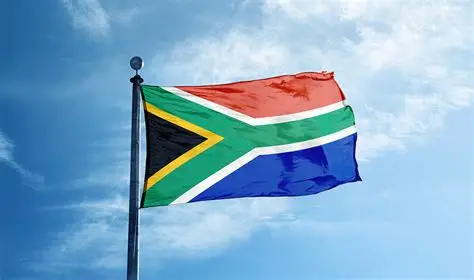
Residents in several communities across South Africa are threatening to withdraw their support from the ruling African National Congress (ANC) in the November 4 local government elections over persistent electricity shortages, poor sanitation, water problems and alleged municipal mismanagement.
In Katlehong, a sprawling township on the outskirts of Johannesburg, about 180 households have depended on illegal electricity connections for more than two decades, with residents accusing authorities of failing to provide proper access to the power grid.
Community leader Lesiba Rankapole, 59, said residents had collectively decided not to vote until their electricity problems were addressed.
“We have made a collective decision: no electricity, no vote,” he said, explaining that residents had resorted to illegal connections because they could not manage without electricity.
Rankapole added that the lack of reliable power was affecting children’s opportunities and their ability to progress. Another resident, Enock Majola, 57, also expressed frustration over the community’s living conditions, pointing to illegal dumping sites and other service delivery problems.
“I was born ANC, but today I do not want anyone to tell me about the ANC because I am suffering,” Majola said.
The discontent reflects broader dissatisfaction with local authorities in parts of South Africa, where residents have complained about unreliable water supplies, uncollected rubbish, sewage problems, corruption and deteriorating infrastructure.
The ANC, which played a central role in the struggle against apartheid under former president Nelson Mandela, has experienced a significant decline in electoral support over the past two decades. The party secured nearly 70 per cent of the national vote in 2004 but fell to 46 per cent in the 2021 municipal elections.
Its support declined further to just over 40 per cent in the 2024 national election, forcing it to form a coalition government after losing its parliamentary majority.
The party’s declining popularity has created opportunities for opposition groups, including former president Jacob Zuma’s uMkhonto weSizwe Party, which is contesting local elections for the first time this year.
However, dissatisfaction with the ANC has not necessarily translated into a willingness to support other parties. In Katlehong, resident Meshack Twala said persistent sewage problems had made it difficult to justify voting, although he admitted that he would still choose the ANC if he went to the polling station because switching parties would not feel right.
Political analyst Sethulego Matebesi said low voter turnout, which has historically affected municipal elections, could further hurt the ANC. He predicted that no party would secure an outright majority in the councils being contested, potentially leading to extensive coalition negotiations and hung municipalities.
Johannesburg, a major economic centre with more than 4.8 million residents, is expected to be one of the most closely contested prizes in the November 4 elections. In Alexandra township, residents have complained about rubbish accumulation, potholes and sewage flowing along roads, despite the area’s proximity to the affluent Sandton business district.
Maintenance worker Patrick Saohatse, 45, said he intended to vote for the Democratic Alliance (DA), citing years of dissatisfaction with the ANC’s performance. The DA, which already governs Cape Town, has made service delivery failures and infrastructure deterioration central to its campaign.
DA mayoral candidate Helen Zille has warned that continued corruption and infrastructure decline could push Johannesburg further into crisis. Meanwhile, Action SA leader Herman Mashaba, who is seeking another opportunity to become Johannesburg mayor, has also criticised irregular refuse collection and poorly lit streets.
The ANC has acknowledged shortcomings in Johannesburg but maintains that it remains the better choice for voters. With the election approaching, the party faces the challenge of convincing frustrated residents that local government can deliver meaningful improvements to their daily lives.