

Pan-African financial technology company Onafriq is winding down its Baxi agent banking business in Nigeria, citing rising operating costs, naira depreciation and intensifying competition that have made the operation increasingly
Pan-African financial technology company Onafriq is winding down its Baxi agent banking business in Nigeria, citing rising operating costs, naira depreciation and intensifying competition that have made the operation increasingly

The Governor of the Central Bank of Nigeria (CBN), Olayemi Cardoso, has explained that improving economic conditions and the need to fix weaknesses in monetary policy transmission informed the apex
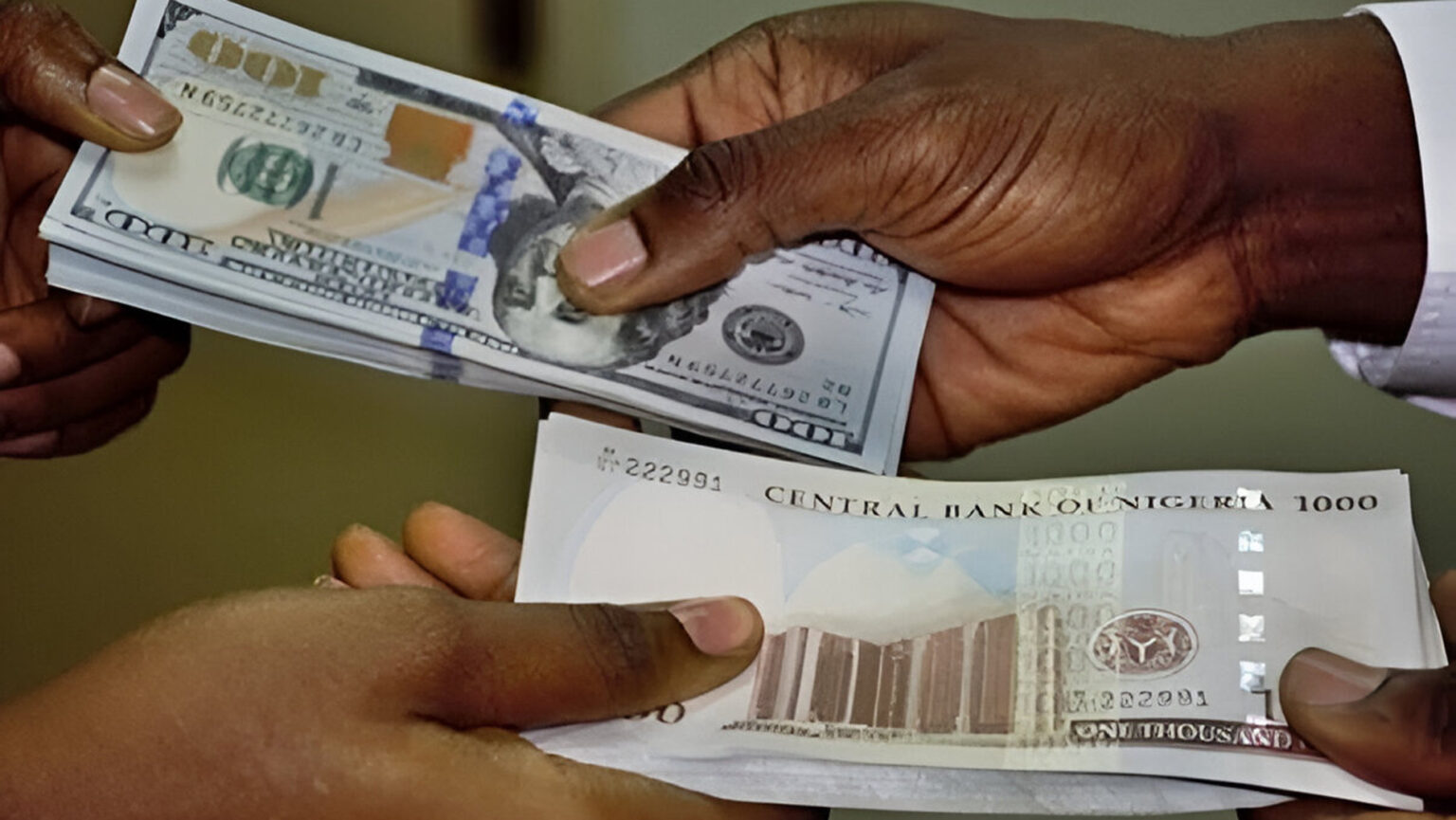
The Nigerian naira has strengthened to a two-year high against the United States dollar, shrugging off concerns over the impact of the latest interest-rate cut on the currency. The naira

Personal loans in Nigeria have risen to an estimated N2.06 trillion, as consumer borrowing continues to increase amid financial pressure on households. The figure is contained in the Central Bank

Anambra State Governor Chukwuma Soludo has recounted how the Economic and Financial Crimes Commission (EFCC) investigated his activities as a former Governor of the Central Bank of Nigeria (CBN) and
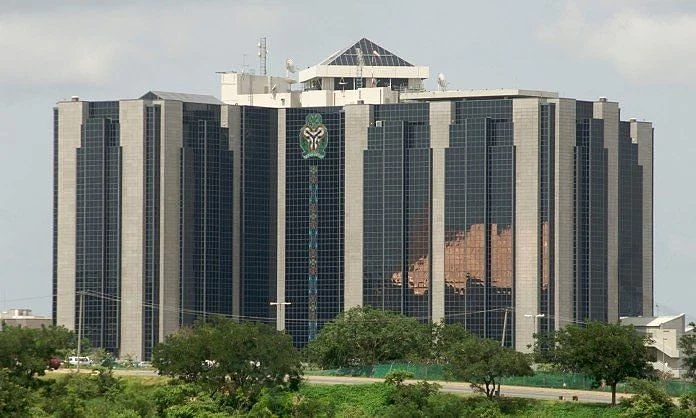
Liquidity in Nigeria’s banking system has surged to N8.84 trillion ahead of the settlement of the Central Bank of Nigeria’s latest Open Market Operation bills, raising expectations of a major

Transactions in Nigeria’s foreign exchange market rose by 11 per cent to $2.63 billion in the week ended September 25, signalling increased activity across the market. The increase covered both
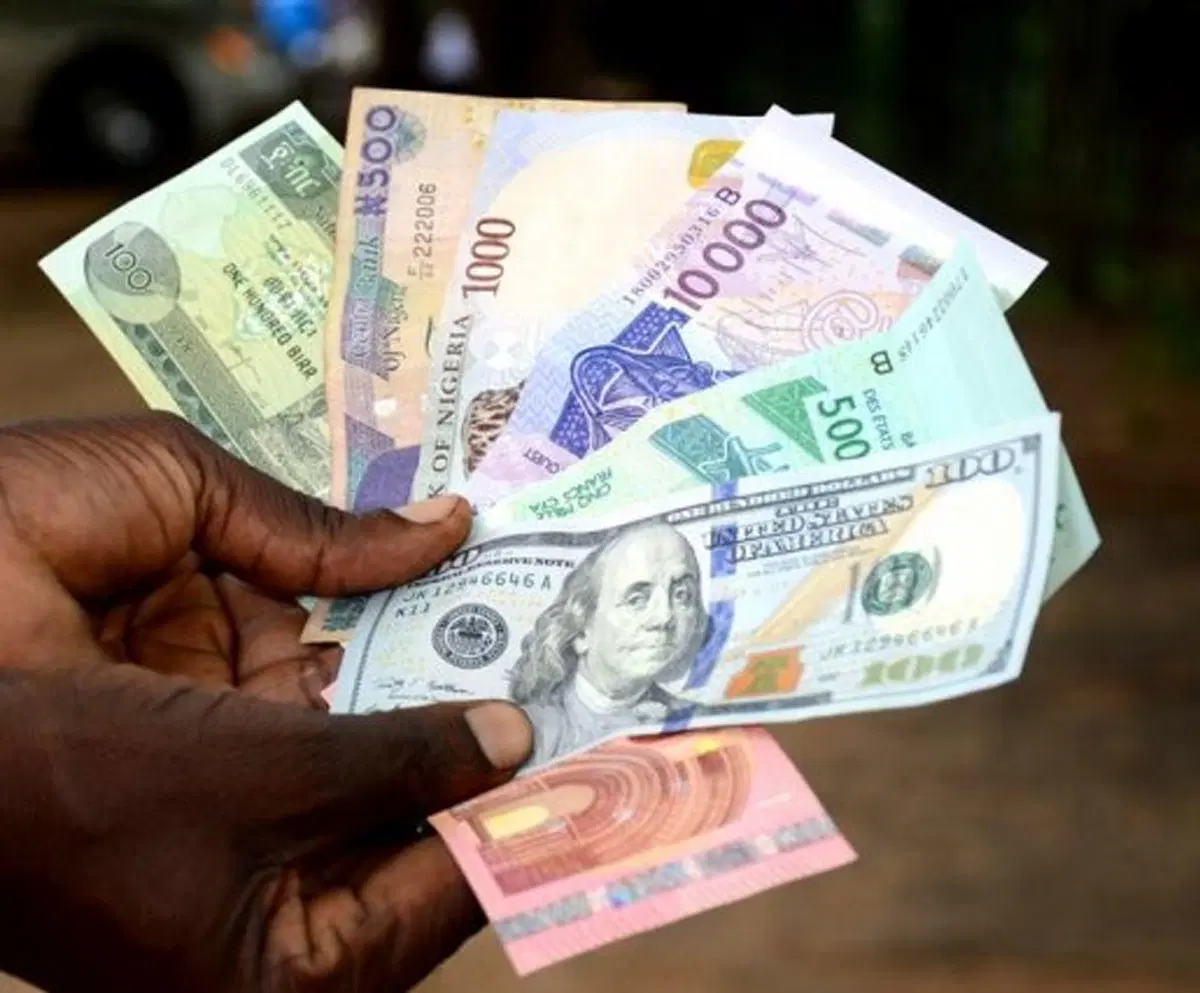
Nigeria’s net foreign exchange inflow rose by 36.5% year-on-year to $33.76 billion in the first five months of 2026, up from $24.72 billion recorded in the same period of 2025.

Nigeria’s banking system recorded a sharp increase in liquidity in May 2026, with average net liquidity rising to ₦5.53tn from ₦4.72tn in April, as inflows from maturing Central Bank of

The Central Bank of Nigeria (CBN) has cut the benchmark Monetary Policy Rate (MPR) from 26.5 per cent to 23 per cent, marking a significant shift in the country’s monetary