
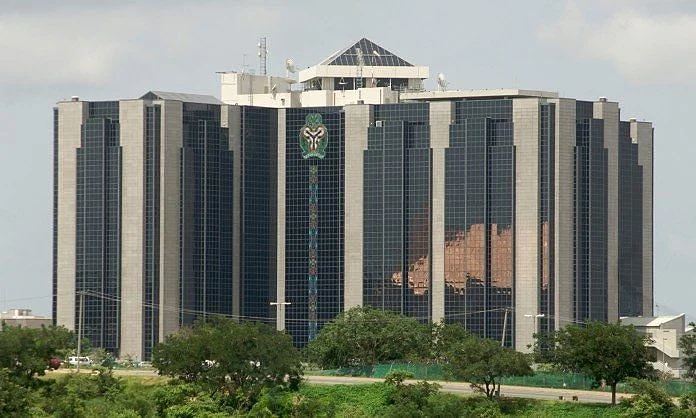
Deposit Money Banks in Nigeria closed a net 476 branches and cash centres between 2022 and 2025, cutting their physical presence across the country by 8.8 per cent, data from
Deposit Money Banks in Nigeria closed a net 476 branches and cash centres between 2022 and 2025, cutting their physical presence across the country by 8.8 per cent, data from

The Central Bank of Nigeria, CBN, has warned that a cybersecurity breach at one financial institution could spread through interconnected banks, fintechs and technology providers, potentially disrupting Nigeria’s wider financial

Olabisi Onabanjo University (OOU) has renewed its commitment to deeper collaboration with the Central Bank of Nigeria (CBN), with a focus on improving academic research, professional training and service delivery

Leading Nigerian fintech company OPay has dismissed viral reports suggesting that it plans to shut down its operations in Nigeria, describing the claims as false and misleading. The company made

Nigeria recorded a record $947 million in monthly remittance inflows through formal International Money Transfer Operators (IMTOs) in July 2026, bringing the country close to the Central Bank of Nigeria’s
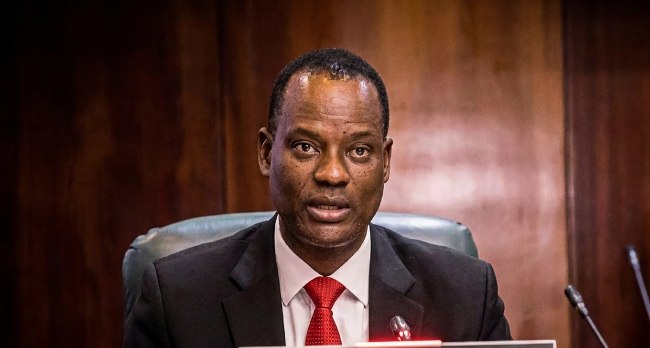
Nigeria’s capital market is set to return to the global FTSE Russell Frontier Market index after nearly three years outside the classification, in a move the Federal Government says reflects

More than two years after Heritage Bank was shut down, aggrieved depositors say they are still struggling to access their legitimate funds, prompting fresh calls for immediate intervention by the
The Central Bank of Nigeria (CBN) has lifted its seven-year restriction on local investor participation in Open Market Operations (OMO), reopening the market to individuals, companies and non-bank financial institutions.
The Central Bank of Nigeria (CBN) has opened applications for the second cohort of its Regulatory Sandbox Programme, creating dedicated testing tracks for virtual assets and data-enabled financial services. Applications

The Nigeria Customs Service (NCS) says sweeping digital reforms, stronger enforcement and improved trade facilitation have nearly doubled its annual revenue within two years, with collections rising to ₦7.27 trillion