Now Reading: UN Warns Tech Giants Over Online Harm to Children, Demands Tougher Digital Safety Rule
-
01
UN Warns Tech Giants Over Online Harm to Children, Demands Tougher Digital Safety Rule
UN Warns Tech Giants Over Online Harm to Children, Demands Tougher Digital Safety Rule

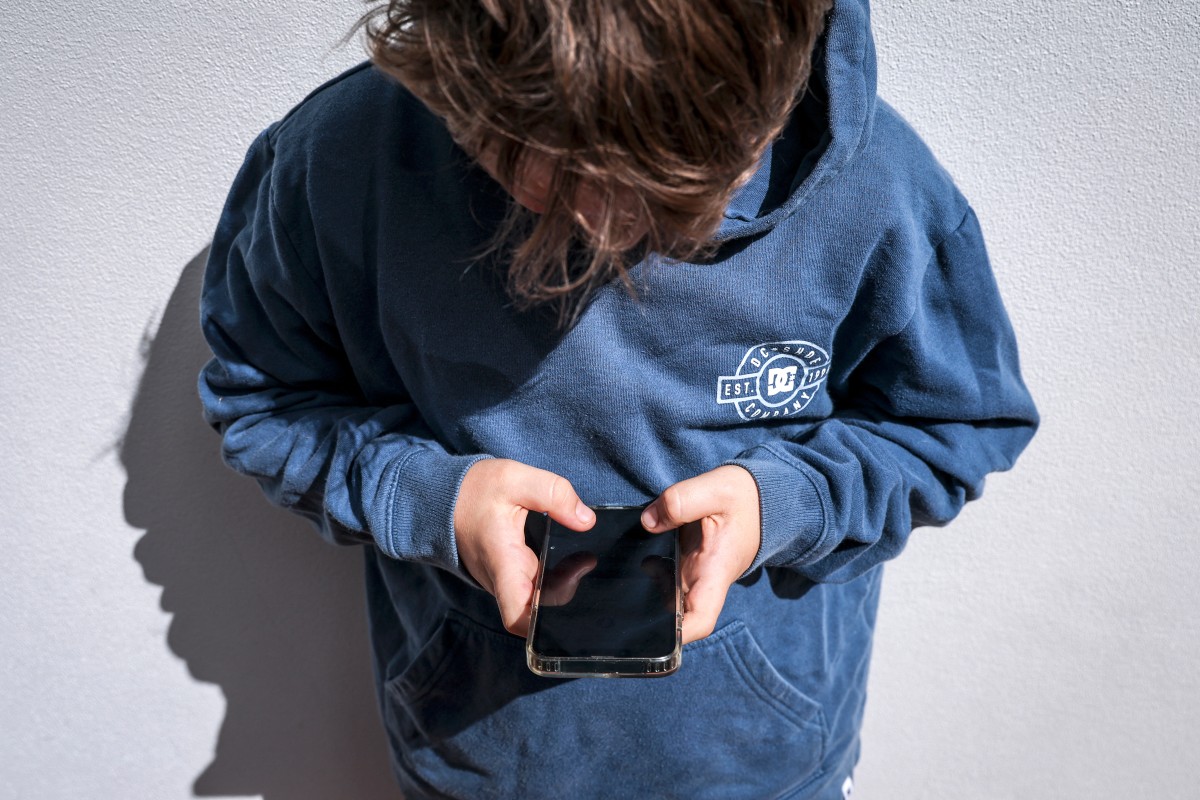
The United Nations has raised fresh alarm over the growing dangers children face online, warning that governments and technology companies must act urgently to make digital platforms safer for young users.
The warning was issued on Friday by the UN High Commissioner for Human Rights, Volker Türk, who accused major tech companies of designing platforms in ways that expose children to harmful content, addiction, privacy violations and psychological risks.
According to Turk, many of the dangers children face online are not accidental but are directly linked to how social media platforms and digital applications are built.
“The digital world that connects children to learning, community, and creativity also exposes them to real risks to their safety, privacy, and wellbeing,” he said.
He specifically pointed to features such as infinite scrolling, autoplay functions and constant app notifications, arguing that such tools are intentionally designed to keep children online for longer periods despite potential harm.
Turk stressed that protecting children online should now be treated as a global emergency, urging countries to introduce stronger regulations and hold technology companies accountable for harmful digital practices.
“Enhancing protection of children online is an urgent priority that we need to make sure not only gets done — but that it gets done right,” he added.
The UN rights chief also warned against relying solely on blanket social media bans or age restrictions, saying such measures alone cannot solve the deeper structural problems built into digital platforms.
According to him, unsafe algorithms, addictive platform designs and aggressive commercial targeting of children would still remain even if access restrictions are introduced.
He argued that tech firms must embed child safety directly into the design of their products instead of placing the burden entirely on parents and children.
The UN human rights office also released a new set of recommendations titled “Getting Children’s Safety Online Right,” outlining measures governments and companies should adopt to better protect minors in digital spaces.
Among the recommendations are stricter protection of children’s personal data, independent oversight mechanisms, legal penalties for violations, and restrictions on “micro-targeting” children with personalised advertisements based on their online behaviour.
The guidelines further warned that poorly implemented age verification systems could create new privacy risks for both children and adults if not properly regulated.
Turk also raised concerns over the growing influence of artificial intelligence chatbots and other emerging technologies, suggesting that some digital tools may require age restrictions due to potential psychological and behavioural risks to children.
As debates around online safety continue globally, the UN says the focus should shift beyond temporary bans toward forcing digital platforms to become fundamentally safer by design.